

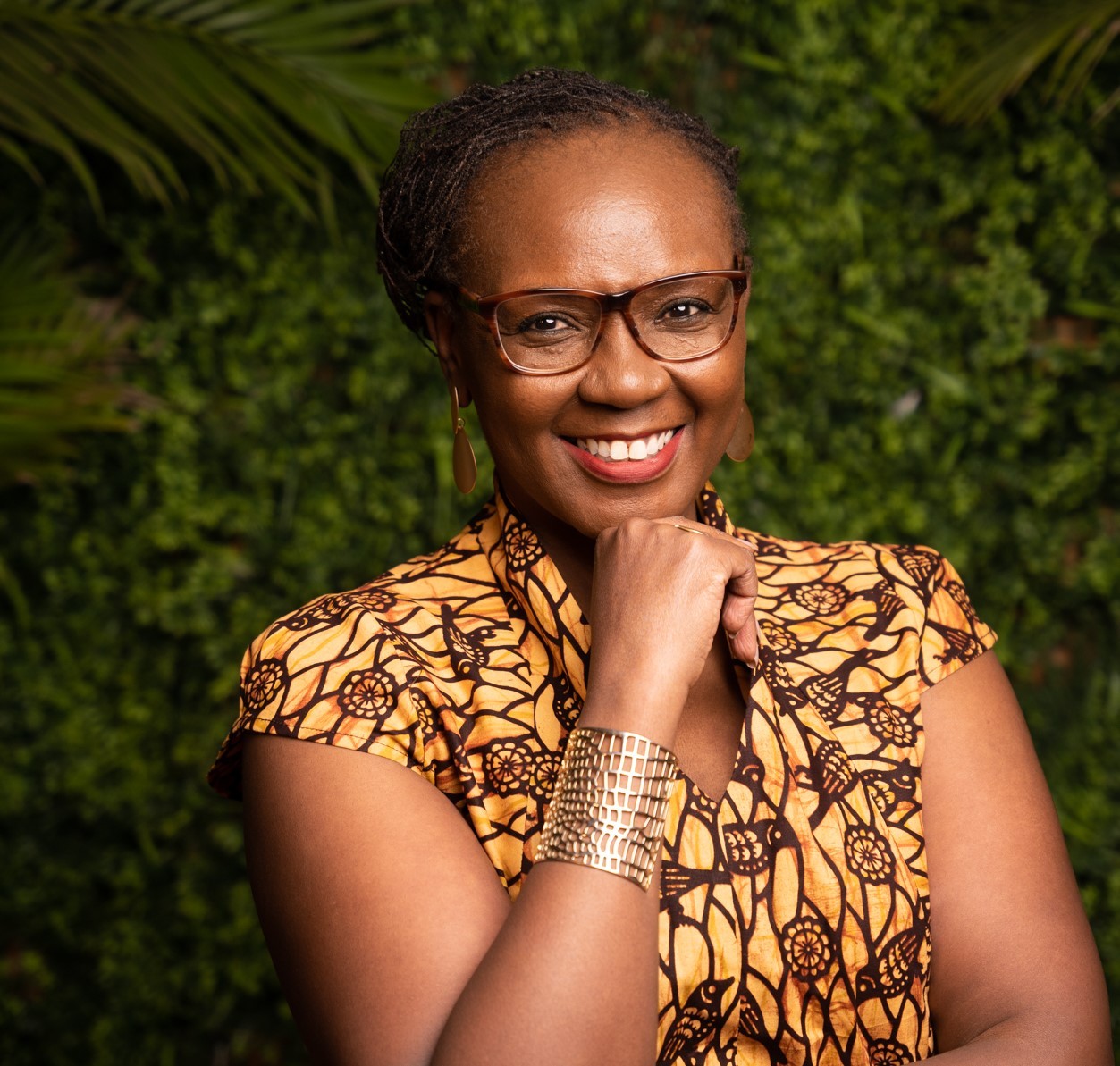
 Carol Misiko is the Group Sustainability, Risk and Compliance Executive, Old Mutual Investment Group
Behind many homes is a woman making impossible financial and emotional decisions every day, whether to pay school fees or rent, restock a small business or pay a medical bill, save for the future, or simply survive the month.
As we continue to celebrate Mother’s Day, it is worth asking a bigger question. Are we doing enough to support the women who quietly hold together not just households, but significant parts of Kenya’s economy?
The 2025 Old Mutual Financial Wellness Monitor provides compelling evidence that empowering women financially is not only a social imperative but also a critical driver of economic growth, resilience, and shared prosperity.
According to the report, while there are encouraging signs of economic recovery, women continue to carry a disproportionate financial burden. Nearly half of working women report experiencing financial stress, higher than that of men.
Four in ten are single mothers, while almost half belong to the sandwich generation, simultaneously supporting children and adult dependents.
These responsibilities, combined with slower economic growth and a high cost of living, contribute to lower financial satisfaction among women compared to men.
As a result, many are forced into painful financial trade-offs, including seeking cheaper housing and schools or relying on debt for everyday needs. Over half of women (52 per cent) have taken loans to bridge financial gaps, deepening long-term financial pressure.
Despite these challenges, the resilience and entrepreneurial spirit of Kenyan women remain evident. Forty-eight per cent own businesses, predominantly in the retail sector, often financed through personal savings, business profits, and community savings groups (Chamas), which 66% of working women are part of.
They also demonstrate a strong culture of financial goal setting, with 82% actively pursuing financial goals and 91% maintaining savings targets, often allocating about a fifth of their monthly income to future aspirations such as children’s education or business expansion.
However, this determination is not fully matched by supportive financial systems. Limited confidence in financial decision-making, alongside dangerous retirement preparedness gaps, highlights structural weaknesses that constrain long-term financial security.
Unless these gaps are addressed, women’s long-term financial security will remain fragile. Kenya’s economic growth is closely tied to the financial health of its women.
When women are financially secure, they invest more in their households, children's education, and community development, creating a powerful ripple effect. Expanding access to financial education, retirement planning solutions, affordable protection products, and inclusive financing is not merely a social intervention; it is an economic investment.
Confidential Mother’s Day should be more than a celebration of sacrifice. It should be a moment to recognise the invisible economic labour women perform every day and to ask what it will take to better support them.
As Kenya pursues sustainable economic growth, women’s financial well-being can no longer be treated as a private struggle. It must be recognised as a national economic infrastructure.
The writer is the Group Sustainability, Risk and Compliance executive at Old Mutual Investment Group