

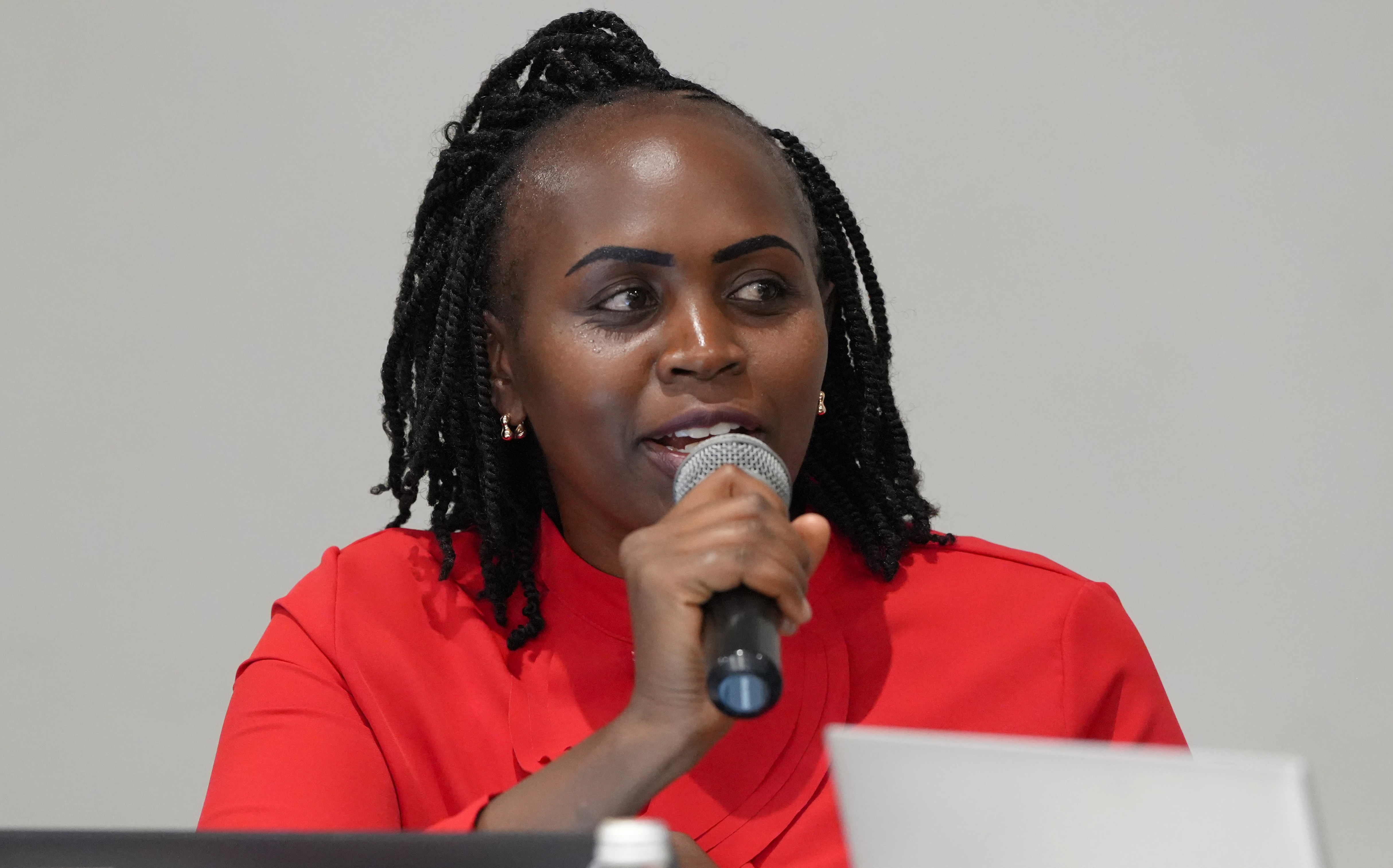
 Christian Aid Senior Energy Advisor Jacqueline Kimeu / HANDOUT
Climate stakeholders and experts have called on African leaders and international partners to ensure that the Africa Forward Summit in Nairobi delivers outcomes that prioritise African needs, warning against continued extractive economic models that have limited the continent’s industrial growth and energy access.
The summit, taking place in Nairobi, has brought together policymakers, civil society organisations and development actors to deliberate on among others, Africa’s energy transition, green industrialisation and investment priorities.
Central to the discussions is the expected Nairobi Declaration, which is set to outline commitments on climate action, energy access and economic cooperation.
Experts say the summit presents a critical opportunity to reshape Africa’s development pathway and reposition the continent from a supplier of raw materials to a value-adding industrial hub powered by clean energy.
Christian Aid Senior Energy Advisor Jacqueline Kimeu said Africa must be recognised as a key player in the global energy transition rather than a passive recipient of external solutions.
She noted that the continent holds significant renewable energy potential and critical mineral resources yet continues to receive a disproportionately small share of global green investment.
“People around the world are asking why Kenya, why Africa, for this summit. This shows us that Africa is not just a challenge in the energy transition but part of the solution. We are a continent with extraordinary renewable energy potential, yet we are not seeing the level of investment that reflects this reality,” she said.
Kimeu stressed that energy planning must prioritise inclusivity, warning that large-scale infrastructure alone will not solve Africa’s energy access gap. She pointed out that hundreds of millions of people across the continent still lack electricity, and any transition that excludes them risks deepening inequality.
“We are talking about a continent where 600 million people still do not have access to energy. If they are left behind, then we cannot call this a just energy transition. We need decentralised systems, community-owned solutions and investment that reaches the grassroots, not just national grids and industrial zones.”
She added that energy should be viewed as an enabler of development rather than an end goal, arguing that access to power must directly translate into improved livelihoods and economic opportunity.
Power Shift Africa, Senior Climate Advisor Amos Wemanya said the summit must confront what he described as Africa’s long-standing “pit-to-port” economic structure, where raw materials are exported with minimal local processing or value addition.
“For too long, Africa has operated under a model where we extract resources and immediately ship them out. What this has created is resource flight, jobs leaving the continent and value being lost,” he said.
“The Africa Forward Summit must change this narrative and ensure that local content, industrialisation and African enterprises are at the centre of future agreements.
Wemanya warned that continued reliance on extractive investments risks undermining Africa’s development ambitions, particularly if energy and mineral resources are primarily geared toward external markets.
He said African governments must use the summit to push for binding commitments that support industrial development and fair investment practices.
Power Shift Africa, Founding Director Mohamed Adow said Africa’s vast renewable energy potential provides a unique opportunity for the continent to chart a different development path, one that prioritises people-centred growth over resource extraction.
“Africa has everything it needs to build a cleaner and more resilient energy system, solar, wind, hydro and geothermal resources are all here,” he said.
“The question is whether we choose a future that serves African people or one that continues to export wealth and import poverty.”
Adow said renewable energy offers faster and more inclusive benefits compared to fossil fuels, including job creation, reduced import dependence and improved energy security.
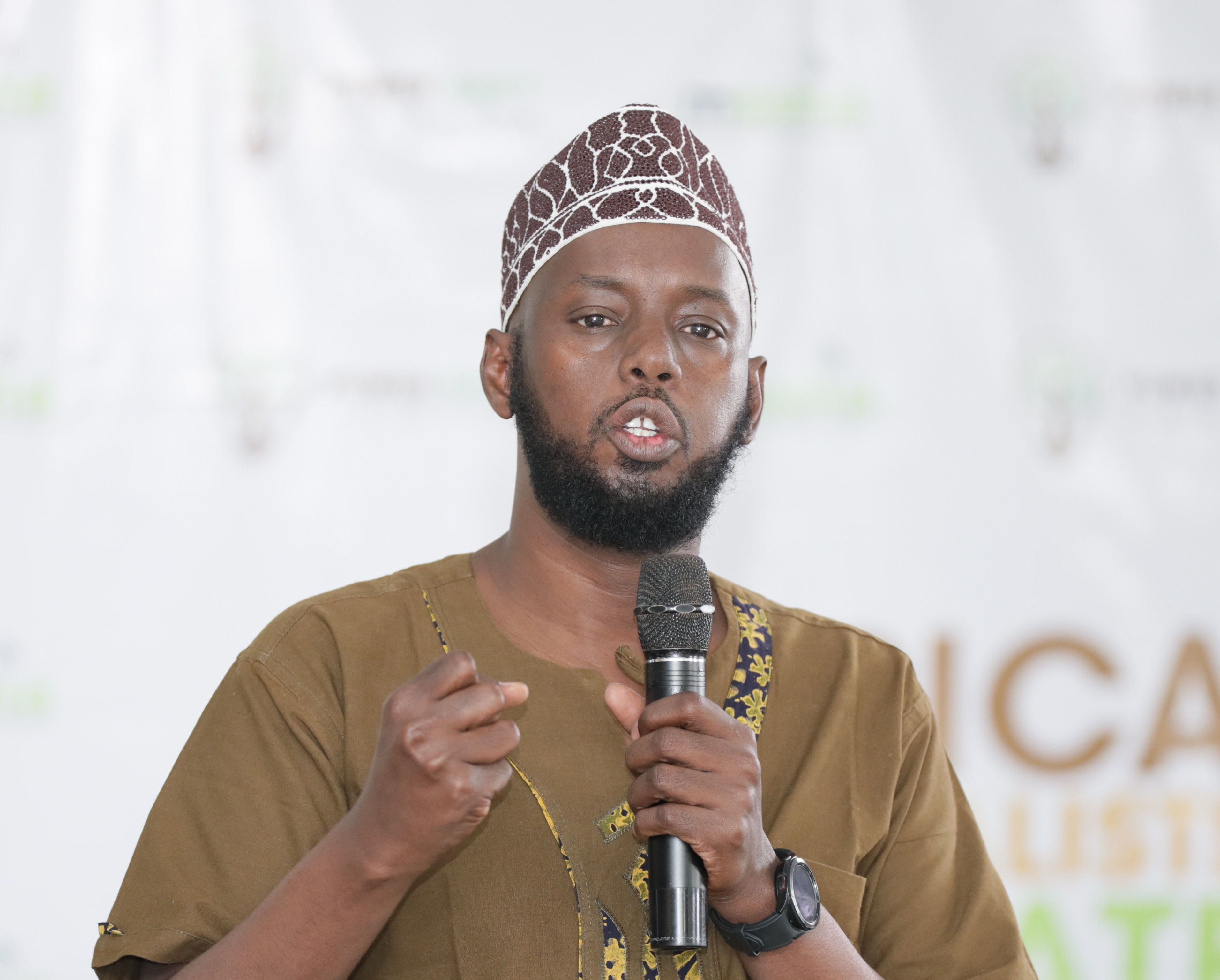 Power
Shift Africa, Founding Director, Mohamed Adow / HANDOUT
Power
Shift Africa, Founding Director, Mohamed Adow / HANDOUT He cautioned against the continued expansion of fossil fuel infrastructure, arguing that it locks countries into volatile global markets.
He added that international partners must play a greater role in supporting Africa’s transition through predictable climate finance and technology transfer, noting that developed countries bear historical responsibility for emissions.
Across the discussions, experts agreed that the Africa Forward Summit represents a pivotal moment for redefining Africa’s place in global development systems.
They urged that the Nairobi Declaration reflect African priorities, including energy access, industrialisation, job creation and fair investment structures.