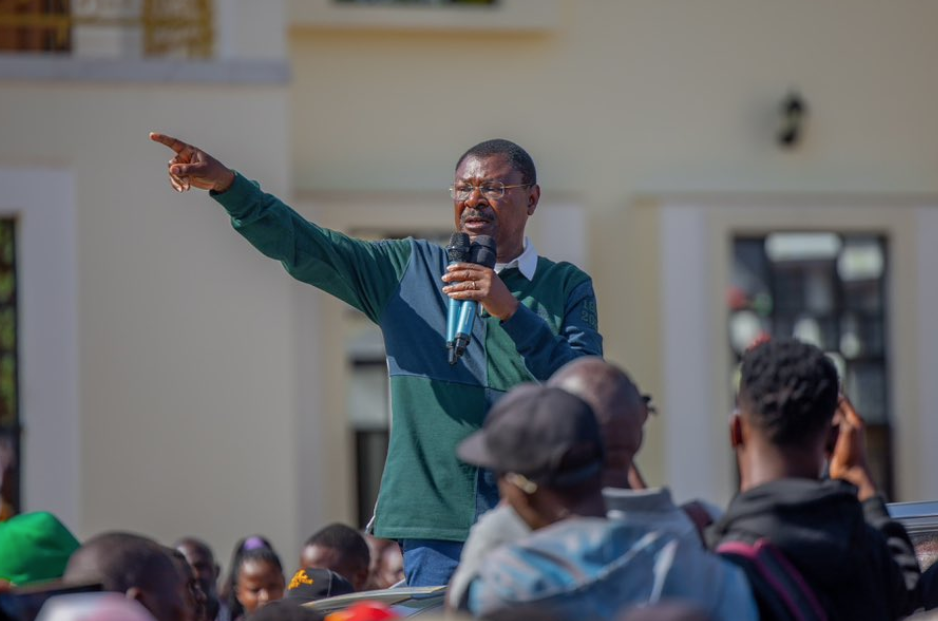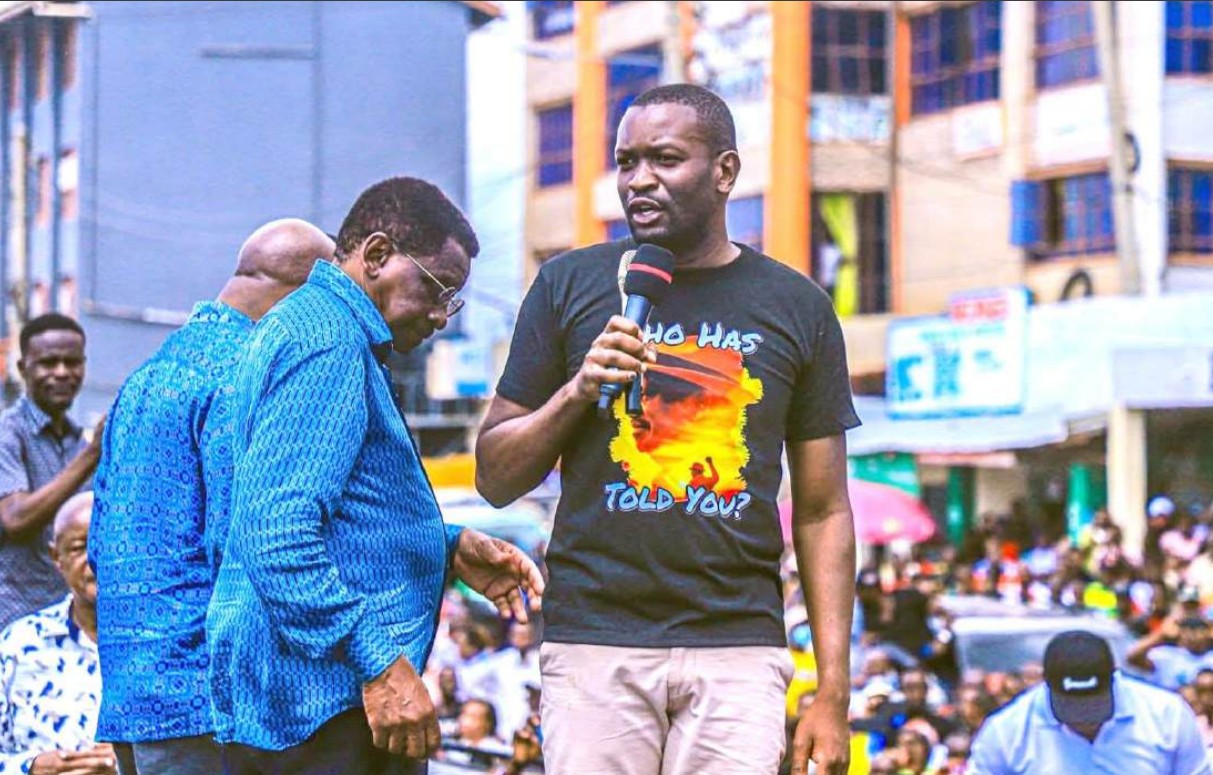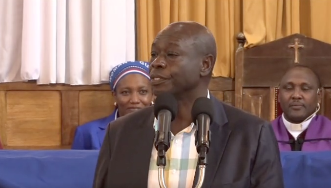

 Powershift founder and director Mohamed Adow speaks at the launch of "Pipe Dreams" report.
Africa must urgently pursue energy independence through renewable energy instead of deepening its dependence on oil and gas, a study of 13 African oil-producing countries suggests.
The findings are contained in a report, Pipe Dreams, which shows that decades of oil and gas extraction across Africa have failed to reduce poverty, create enough jobs or deliver industrialisation, despite repeated promises that fossil fuels would transform economies.
The report was launched in Nairobi on Monday by Power Shift Africa and Oil Change International on the sidelines of the ongoing Africa Forward Summit, attended by French President Emmanuel Macron, African leaders and global business executives.
Speaking during the launch, Powershift founder and director Mohamed Adow said Africa must break away from an economic model built around extraction and exports.
‘‘For decades, Africa has been told that oil and gas extraction would deliver prosperity, jobs, industrialisation, and development. But after decades of extraction, we must ask a simple question: Where is the development?” Adow said.
‘‘The issue is neither a lack of resources nor a lack of
potential. The problem is an extractive economic model designed primarily around
exports and multinational profits, rather than building resilient local
economies and delivering energy access for people. Locking countries into
another generation of fossil fuel dependence is not the pathway to shared
prosperity.’’
He said the alternative is investing in Africa’s renewable energy potential — from solar and wind to geothermal and hydropower.
“If we want to deliver energy independence, there is only one pathway for Africa. We hold extraordinary renewable potential; we have the potential to build systems and create industries that support long-term resilience,” Adow said.
Power Shift Africa is a Nairobi-based climate and energy think tank established in 2018.
The report examined the experiences of 13 African oil- and gas-producing countries, including Nigeria, Angola, Mozambique, Chad and Equatorial Guinea. Researchers found that many remain highly vulnerable to debt, inflation, fuel price shocks and economic instability despite decades of extraction.
According to the report, oil and gas industries create very few jobs while damaging farming, fishing and manufacturing sectors that employ far more people. In Nigeria, for example, the oil industry employs just 0.01 per cent of the workforce despite generating billions in revenues.
The study also says many oil-producing African countries continue importing expensive refined fuel products while exporting crude oil, leaving them exposed to global price spikes.
Researchers noted that 57 per cent of oil products consumed in Africa in 2023 were imported. Countries such as Nigeria, Angola and Ghana still rely heavily on imported fuel despite being major producers.
Thuli Makama, the Africa Director at Oil Change International, said the current fossil fuel system concentrates wealth in the hands of multinational corporations and political elites, while communities are harmed by pollution, lost livelihoods, and rising costs of living.
“The current geopolitical conflict has laid bare once again just how volatile and unjust this system is, by driving up energy and food prices, pushing millions closer to hunger, and making it harder for families to afford basic necessities.”
Makama said renewable energy offered a more stable and people-centred path for Africa’s development.
The report highlights how oil extraction has harmed communities living near production sites. In Nigeria’s Niger Delta, repeated oil spills and gas flaring devastated farming and fishing, worsening poverty in local communities.
 Jacqueline Kimeu, a senior energy advisor at Christian Aid, said the Africa-France Summit should help accelerate investment in renewable energy.
In Uganda and Tanzania, the report says more than 100,000 people were displaced by oil projects and the East African Crude Oil Pipeline.
Amos Wemanya, a senior climate advisor at Power Shift Africa, said French commercial interests and multinational companies have profited immensely from Africa’s oil, gas, and mineral wealth for decades, while too many local communities continue to face poverty, pollution, displacement, and energy injustice.
“If France wants to restore trust and remain a credible strategic partner, it must move beyond acting as a buyer of Africa’s resources and instead support Africa’s ambitions for green industrialisation, local value addition, economic sovereignty, and climate-resilient development. The future of Africa-France relations cannot be built on extraction alone, but on equity, respect, and shared prosperity,” Wemanya said.
Jacqueline Kimeu, a senior energy advisor at Christian Aid, said the Africa-France Summit should help accelerate investment in renewable energy.
“With Africa's abundant renewable energy resources, the summit provides an opportunity to make concrete commitments toward increasing investment in renewables to advance the continent’s industrialisation, promote universal energy access, and position Africa at the forefront of the global energy transition,” Kimeu said.
The report warns that new oil and gas projects could become stranded assets as the world gradually shifts away from fossil fuels. Countries such as Uganda, Mozambique, Namibia and Tanzania risk investing heavily in projects that may lose value as global demand for oil and gas declines.
Just transition advisor at Power Shift Africa, Kudakwashe Manjonjo, said Africa’s future lies in renewable energy rather than another generation of fossil fuel dependence.
“Across Africa, we’ve seen the same pattern repeated: countries rich in oil and gas remain energy poor, and communities are left behind. This is not a failure of African countries—it is a failure of an extractive model that was never designed to deliver development,” Manjonjo said.
“Decades of fossil fuel extraction have exposed countries to
volatile prices, debt, and pollution, while millions still lack access to
reliable energy. Africa’s future lies in its vast potential to be a clean
energy superpower.”