

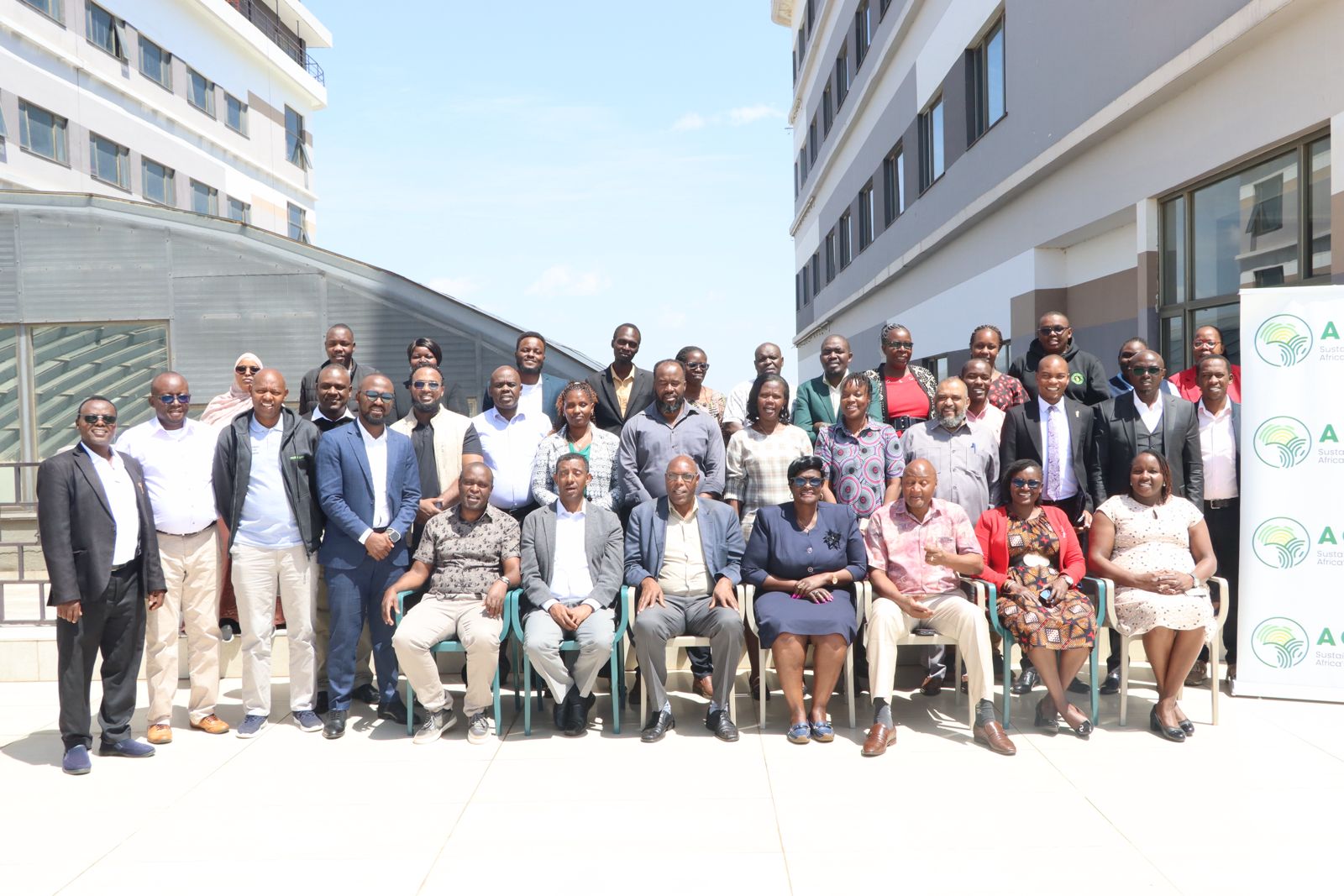
 Participants at the ClimVAT National Workshop in Eldoret held on May 19-20, 2026./HANDOUT
Kenya’s fight against climate change and food insecurity has received a major boost after AGRA unveiled a new climate vulnerability tool designed to help agricultural planners identify, with precision, the areas and communities most at risk from climate shocks.
The Climate Vulnerability Assessment Tool, known as ClimVAT, was officially introduced during a national stakeholder workshop in Eldoret that brought together players in Kenya’s food systems sector.
For the first time, planners at national and county levels can access detailed, sub-county climate data showing where climate risks are highest, what is driving the risks and which communities are least prepared to cope.
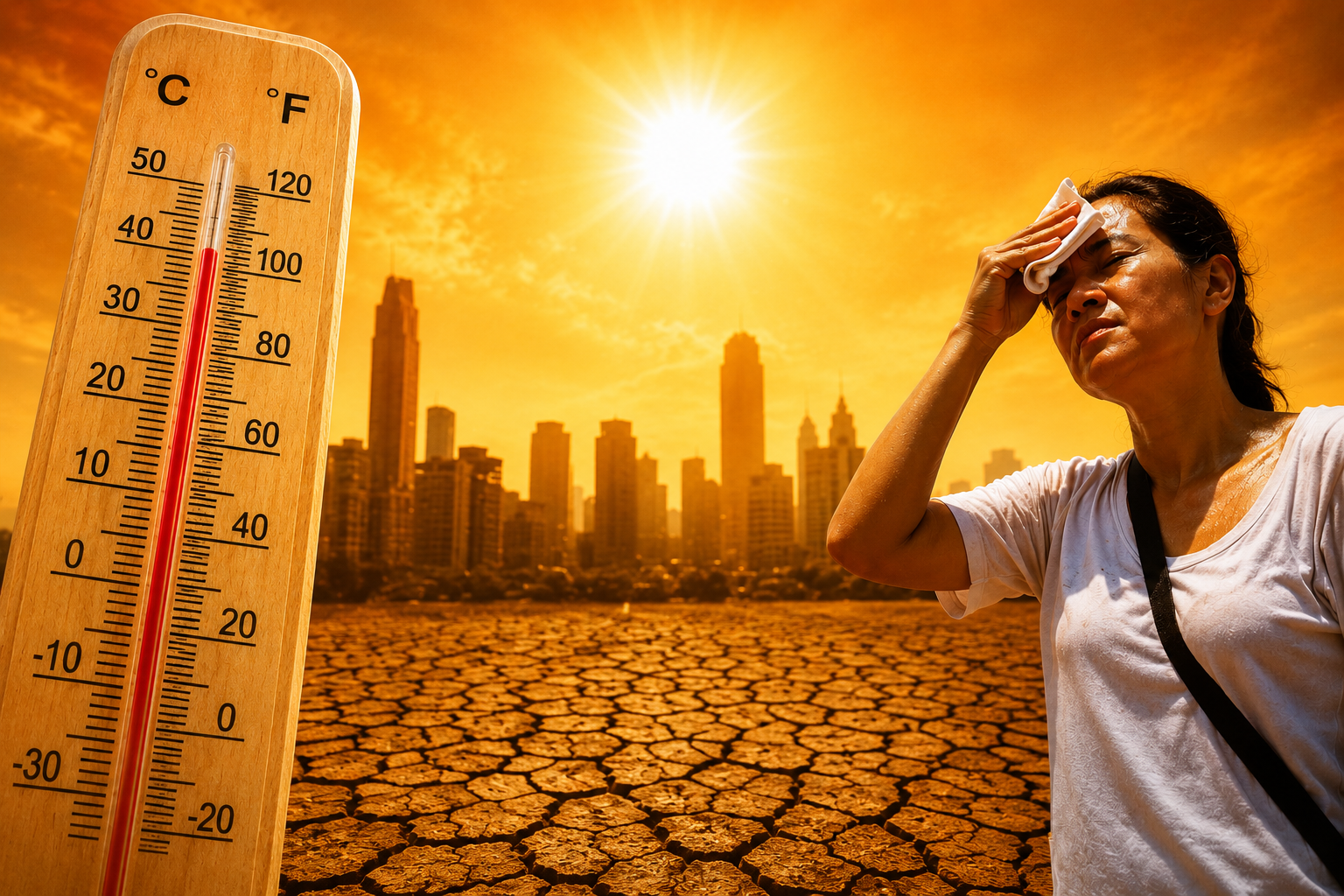
The launch comes as millions of smallholder farmers continue to struggle with unpredictable weather, prolonged droughts and declining agricultural productivity linked to climate change.
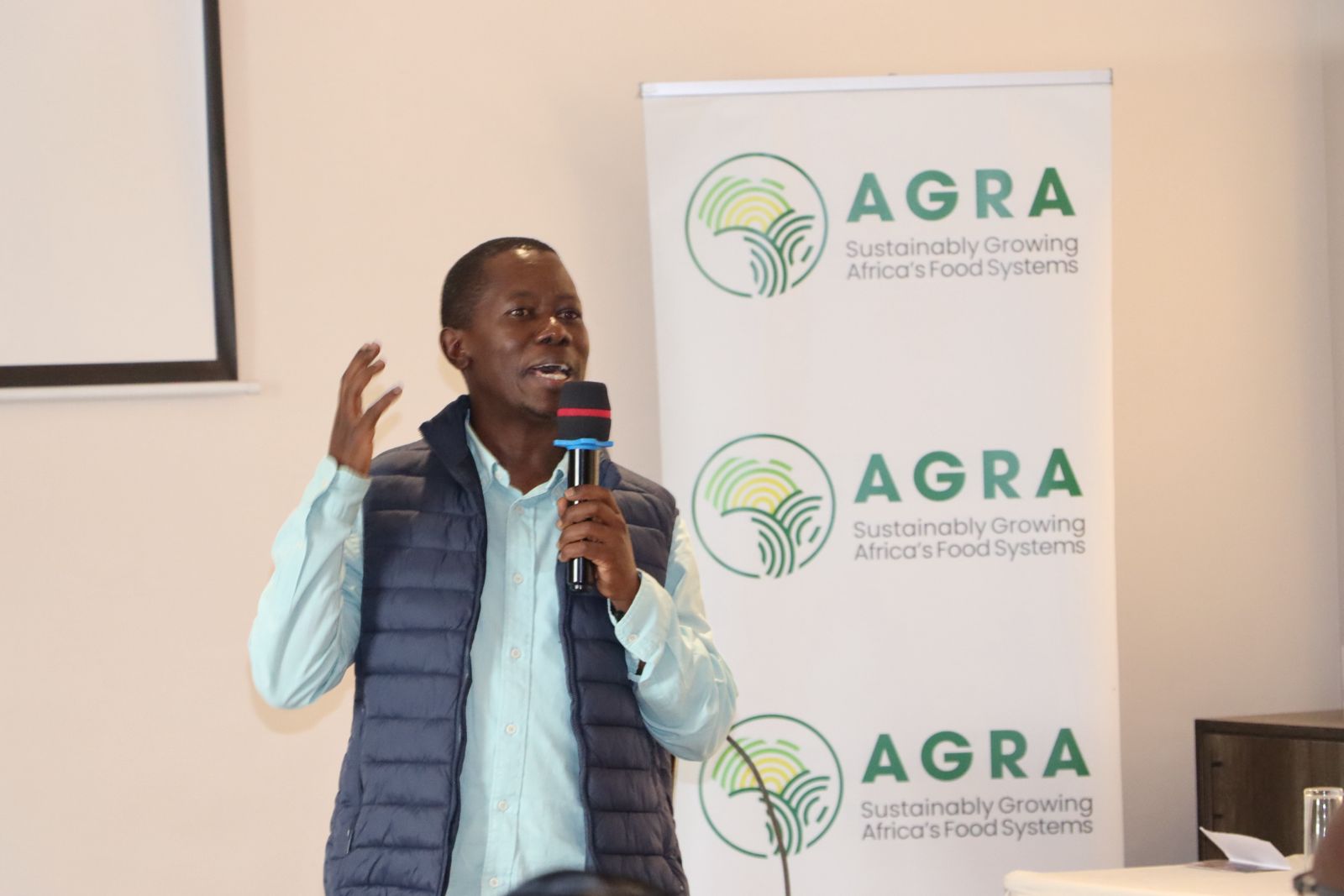 Country Programmes Lead, AGRA Kenya.Edward Agaba./HANDOUT
According to AGRA, smallholder farmers produce more than 70 per cent of Kenya’s food basket, making climate resilience critical to the country’s food security.
ClimVAT was developed following a nationwide climate vulnerability assessment conducted by AGRA and its partners. The platform combines satellite climate data, soil information and socio-economic indicators to generate high-resolution maps capable of distinguishing climate risks even between neighbouring sub-counties.
The tool analyses three key areas: climate exposure, agricultural sensitivity and adaptive capacity.
It tracks trends in rainfall variability, rising temperatures, drought frequency and extreme weather events while also assessing which crops, livestock systems and farming communities are most vulnerable under changing climate conditions.
At the same time, it evaluates the ability of communities to respond to climate shocks by measuring access to financial resources, institutional support, infrastructure and social support systems.
The combined data produces a vulnerability index that allows direct comparisons between regions and provides planners with evidence-backed insights for targeted interventions.
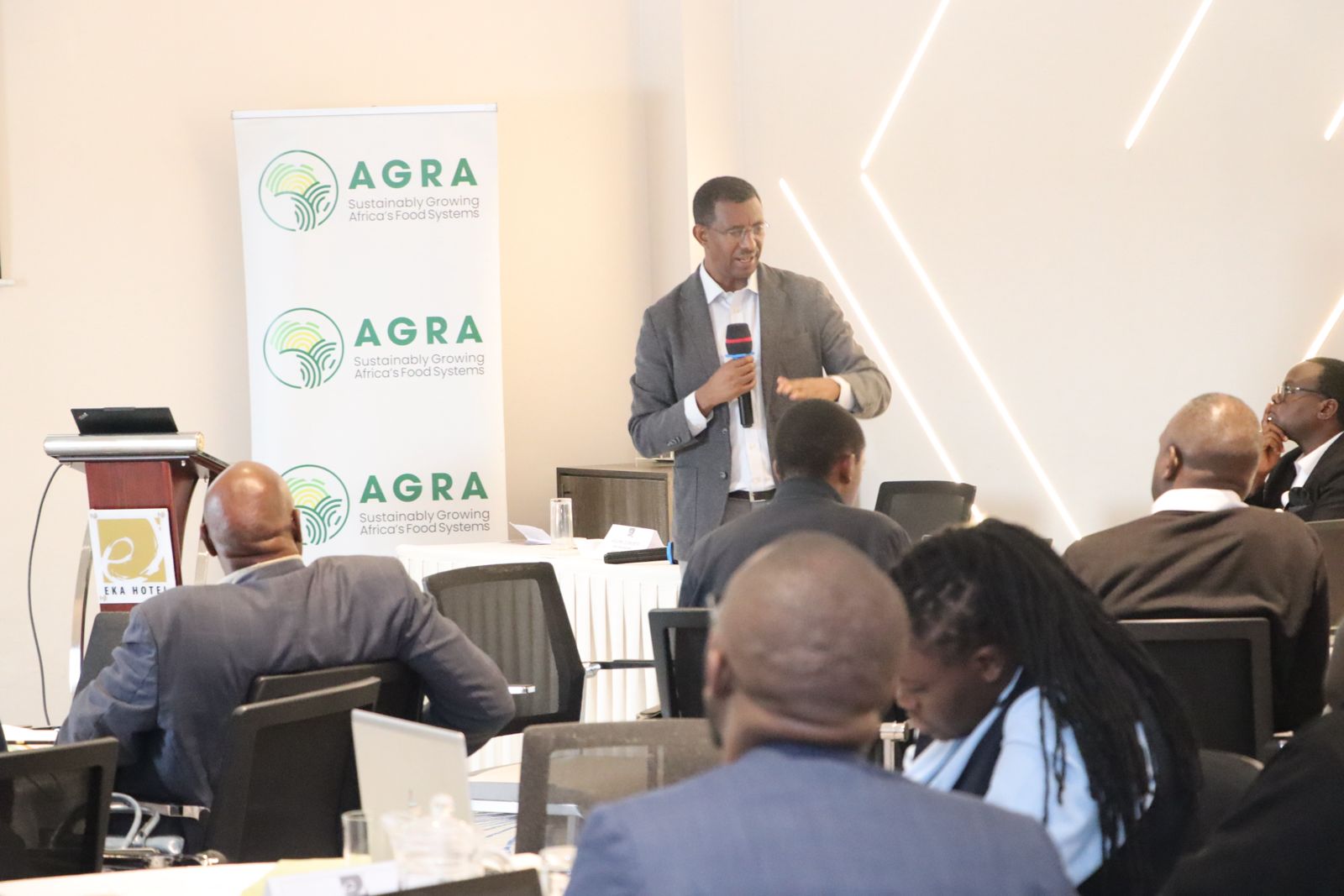 Dr Kindie Tesfaye Fantaye, Head of Climate Adaptation and Resilience at AGRA./HANDOUT
“What ClimVAT offers Kenya is something we have never had before at this scale: a single, integrated platform that tells you not just where climate risk is highest, but why it is high whether it is driven by low rainfall, soil degradation, poor market access, or weak institutional support,” said Dr Kindie Tesfaye Fantaye, Head of Climate Adaptation and Resilience at AGRA.
“For AGRA, this is about ensuring that every investment in Kenyan agriculture is grounded in the best available climate evidence and that no vulnerable community is overlooked,” he added.
AGRA officials said the tool could also improve the design of climate adaptation programmes for women farmers, who make up the majority of Kenya’s smallholder agricultural labour force but often have limited access to finance, farm inputs and extension services.
“Kenya's climate adaptation response has for too long been shaped by aggregated national data that masks the lived realities of specific communities. ClimVAT allows us to move from broad assumptions to precise, localised interventions,” said Edward Agaba, Country Programmes Lead, AGRA Kenya.
“When we can see that a particular sub-county has high climate exposure and fragile soils, we can design programmes that speak directly to that reality. That kind of precision saves lives and protects livelihoods,” he added.
Participants at the Eldoret workshop received practical training on how to use the platform and interpret vulnerability indices to support policy and investment decisions.
 Specialist in Food Systems, Land Use, Soil Health and Climate at AGRA KenyaJeremiah Rogito./HANDOUT
Officials from the Ministry of Agriculture said the tool would support Kenya’s climate commitments and long-term agricultural planning.
“Kenya has made ambitious commitments under its Nationally Determined Contributions and the Kenya Climate Smart Agriculture Strategy. But commitments only become results when backed by evidence and ClimVAT provides useful data towards this,” said Patrick Kebaya, Climate Change Coordinator, Ministry of Agriculture, Livestock, Fisheries and Cooperatives.
AGRA said the Kenya rollout follows similar launches in Ghana and Tanzania and forms part of a wider continental expansion targeting Uganda and Zambia.
Speaking during the workshop, Jeremiah Rogito, Specialist in Food Systems, Land Use, Soil Health and Climate at AGRA Kenya said the platform could transform how Kenya plans for climate risks.
"The vulnerability data generated by ClimVAT is precise, actionable, and designed to be used. Our goal is for every county agricultural department, every relevant national ministry, and every development partner working on food security in Kenya to have both access to this tool and the capacity to use it effectively."
He was emphatic on what is at stake: "Kenya's smallholder farmers cannot afford another decade of guesswork."