

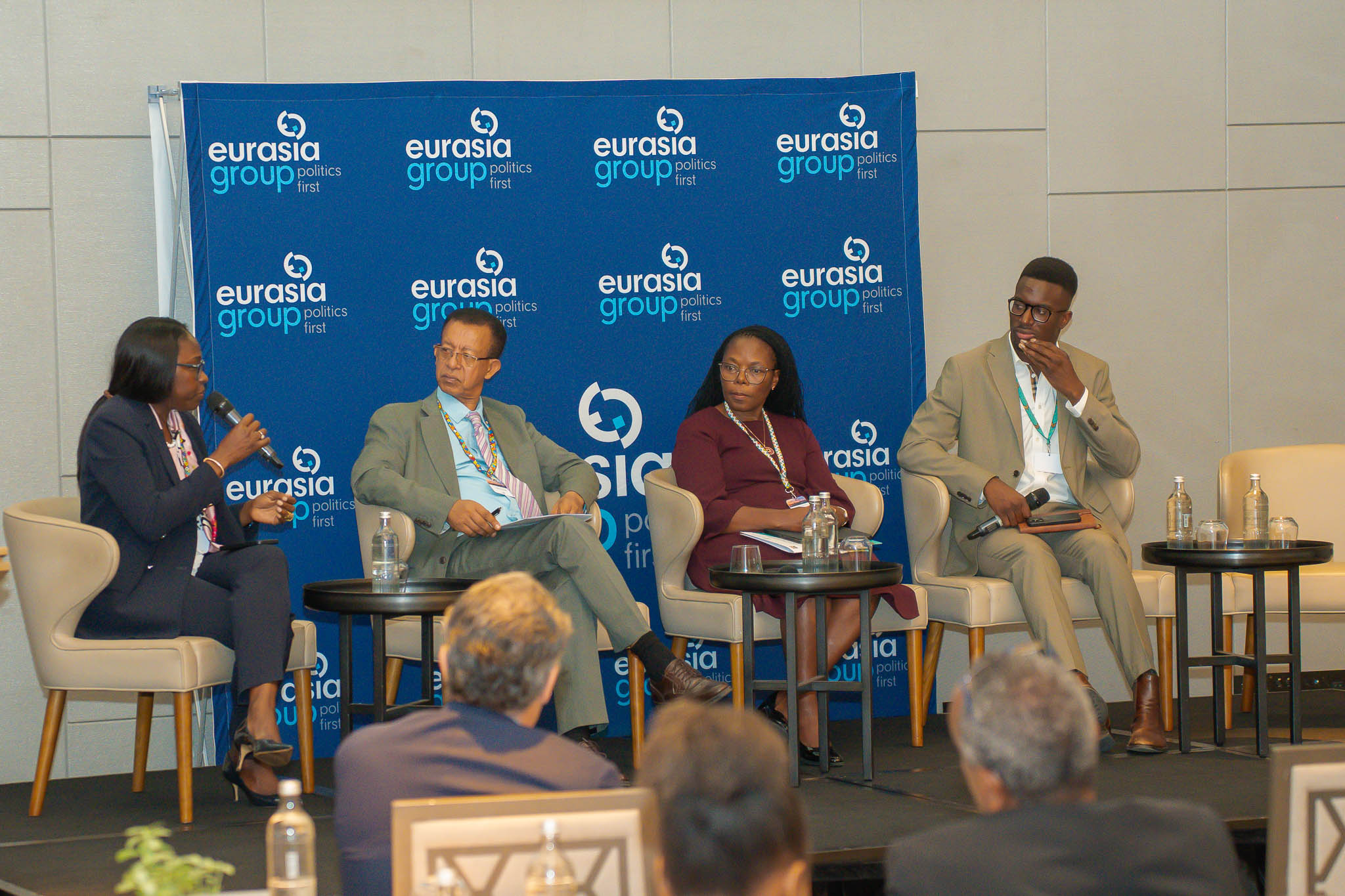
 (From L-R): Mildred Pita, Vice President, Head of Public Affairs & Sustainability Africa-Bayer, Mr Tilahun Amede, AGRA Head of Resilience, Climate and soil fertility, Farayi Zimudzi, UNFAO Sub-Regional Coordinator, Eastern Africa Representative to the AU & UNECA and Managing Director for Global Environment & Sustainability at Eurasia Group, Franck Gbaguidi, during a panel session at the Geopolitics of Sustainability in Africa Summit held at the JW Marriott in Nairobi./HANDOUT
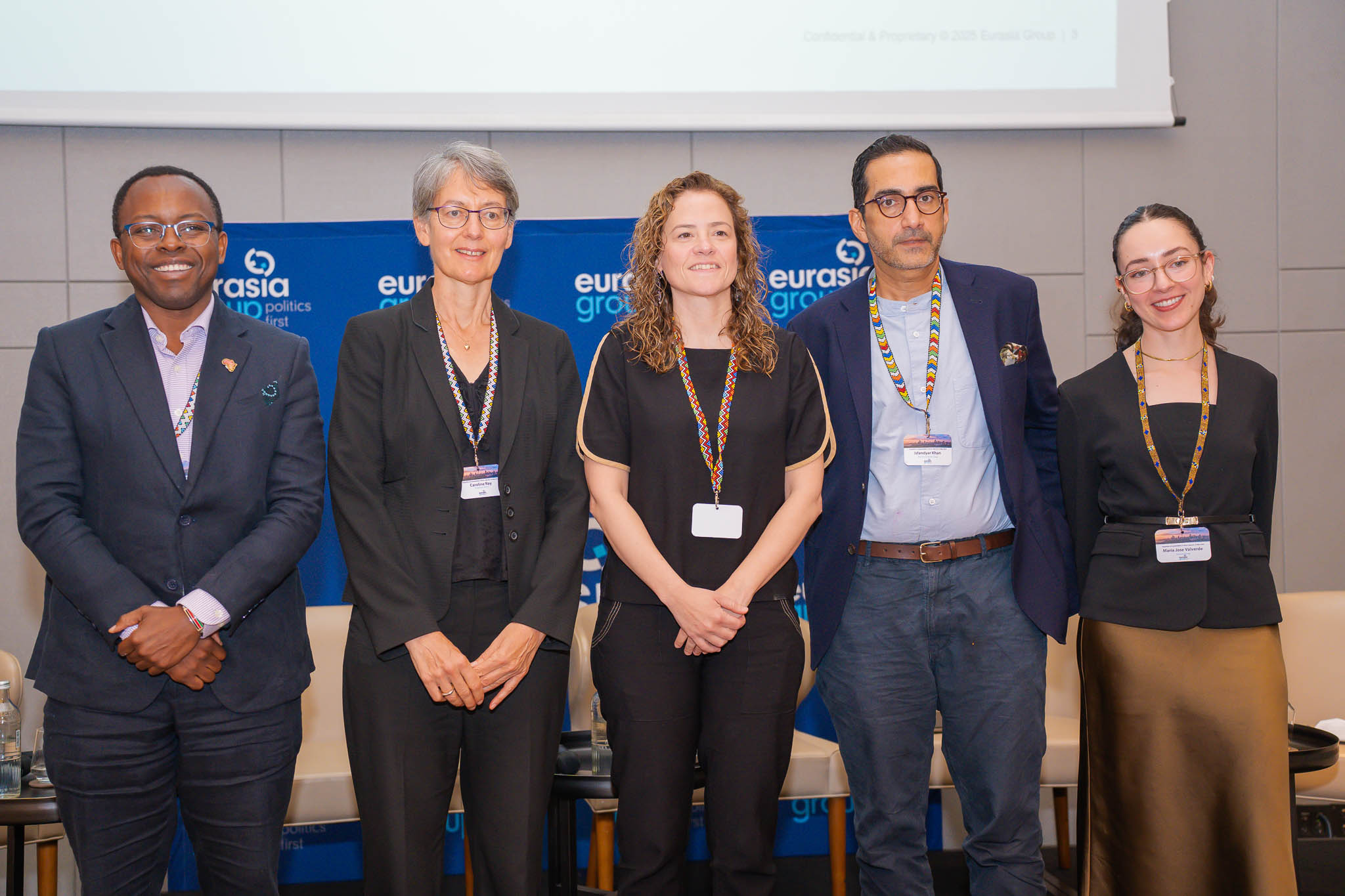
Leaders from the private sector, non-governmental organisations, and development agencies gathered in Nairobi on Monday for a high-level summit focused on the geopolitics of sustainability in Africa amid growing concerns over food insecurity, climate shocks, and global economic pressures.
The Geopolitics of Sustainability in Africa summit examined how the continent can strengthen food systems, climate adaptation, and economic resilience while reducing dependence on raw material exports.
Participants said Africa must shift toward value-added manufacturing, stronger intra-African trade, and sustainable economic transformation. However, they warned that the continent still faces major barriers, including limited access to climate financing, unfair global trade systems, and fragile supply chains.
“Africa sits at the center of the global food and climate conversation. The continent has immense agricultural potential, but unlocking it will require equitable access to climate finance, innovation, resilient supply chains and policies that enable African farmers and agribusinesses to compete globally,” said Pita.
Delegates at the summit called for stronger collaboration between governments, private investors, financial institutions, NGOs, and development partners to address growing sustainability challenges across the continent.
The discussions focused on two key areas: strengthening agriculture and food systems, and advancing climate adaptation and green competitiveness.
KenInvest Chief Executive Officer John Mwendwa said Africa’s long-term economic stability will depend on building local industries and supporting regional investments.
“Africa’s long-term resilience will depend on our ability to build strong domestic industries, support value addition and strengthen regional supply chains. Investing at home is not only an economic imperative, but also a strategic pathway toward sustainable growth and job creation,” said Mwendwa.
Participants also highlighted persistent challenges affecting African agriculture, including limited access to affordable financing for smallholder farmers, poor infrastructure, and difficulties in expanding pilot projects into large-scale commercial solutions.
The summit further examined emerging geopolitical risks affecting African food systems. Discussions centred on the impact of global shipping disruptions and the Strait of Hormuz crisis on fertiliser, fuel, and food supply chains.
Industry players noted that regional manufacturers and agribusiness firms, including Dangote Group, could help strengthen supply chain resilience during periods of global instability.
Alliance for a Green Revolution in Africa President Alice Ruhweza warned that recent global tensions had exposed Africa’s heavy dependence on external fertiliser supplies.
“The Strait of Hormuz crisis has once again exposed Africa’s vulnerability to external fertiliser supply disruptions. Strengthening regional fertiliser production, distribution and strategic reserves is essential to safeguarding Africa’s food systems and ensuring farmers can access critical inputs when they need them most,” said Ruhweza.
The summit heard that Africa contributes less than four per cent of global greenhouse gas emissions despite being among the regions hardest hit by climate-related disasters such as droughts, floods, and food system disruptions.
Participants called for fairer global climate financing mechanisms and stronger international partnerships that support Africa’s development priorities.
Delegates also noted that although Africa holds nearly 60 percent of the world’s uncultivated arable land, more than 300 million people still face chronic food insecurity.
The summit concluded with a shared commitment among participants to deepen cross-sector collaboration and develop practical solutions aimed at positioning Africa as a major driver of global food security, green industrialisation, and climate resilience.