

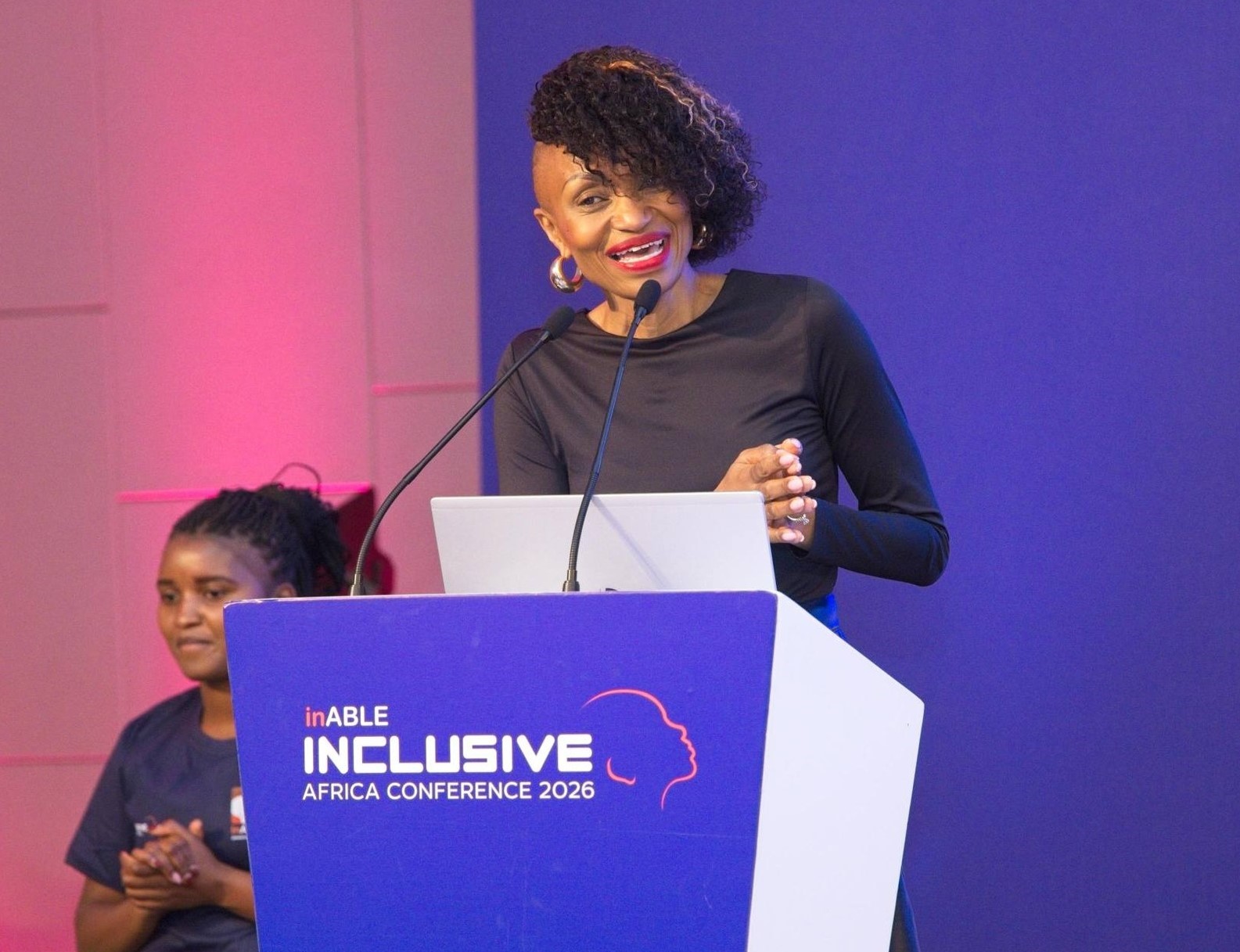
 InABLE Founder and Executive Director Irene Mbari-Kirika addressing delegates during the seventh Inclusive Africa Conference 2026 in Nairobi on June 3, 2026/ ALICE WAITHERA
Digital accessibility advocates have called for urgent action to eliminate barriers that continue to lock millions of Persons with Disabilities out of Africa's fast-growing digital economy.
The call was made during the seventh Inclusive Africa Conference 2026 in Nairobi, where stakeholders gathered to discuss strategies for promoting digital inclusion across the continent.
The stakeholders included innovators, policymakers, development partners and disability rights organisations.
Despite rapid growth in digital services, many PWDs in Kenya continue to face challenges accessing education, employment opportunities, banking services and government platforms due to inaccessible technologies and digital products.
Irene Mbari-Kirika, inABLE founder and executive director, said digital accessibility remains a major concern as technological advancements continue to leave behind more than 80 million Africans living with disabilities.
"All these tech innovations that we celebrate so much are leaving out 15 per cent of the African population,” Mbari-Kirika said.
“We are coming together to see how we can collaborate and help businesses, governments, NGOs and international organisations make digital products accessible to persons with disabilities."
The conference, held on World Assistive Technology Day, featured the Assistive Technology Innovation Village, where 10 innovators from across Africa showcased solutions designed to improve the lives of persons with disabilities.
The innovators were selected from more than 100 applicants from different African countries and presented technologies ranging from bamboo wheelchairs and AI-powered learning platforms to smart navigation systems for visually impaired persons.
The conference also highlighted ongoing efforts to develop Africa's Harmonised Digital Accessibility Standard for ICT Products and Services through collaboration involving more than 20 African countries.
Mbari-Kirika said the initiative seeks to create a common framework that will enable digital products developed in one African country to meet accessibility requirements across the continent.
"The standard will help embed accessibility into digital products and services across Africa and ensure inclusion becomes a fundamental design principle rather than an afterthought," she said.
She challenged governments, investors and technology companies to support locally developed assistive technologies through funding, procurement opportunities and policy reforms.
"Digital accessibility is not charity. It is not corporate social responsibility. It is a strategic imperative and a business opportunity. An accessible digital Africa is a better Africa for all of us," she said.
Among the innovations showcased was Ethiopia's Bamboo Labs, which manufactures customised bamboo wheelchairs using locally available materials to improve affordability and durability.
The company has already undertaken training programmes in Kenya and plans to expand its operations in the country. Kenyan innovators also presented solutions aimed at improving independent living and access to education for persons with disabilities.
Sightra, an AI-powered assistive navigation system developed by the Kenyan start-up Sauti Yetu, demonstrated a smart navigation platform that combines GPS and live camera technology to help visually impaired users move safely and independently.
Ishara AI, on the other hand, showcased a platform that offers digital skills training in Kenya Sign Language.
Other innovations included AI-powered learning tools for visually impaired learners, wearable devices for people with hearing impairments.
There was also robotics and STEM education solutions designed to make science and technology accessible to learners with disabilities.
While Kenya has made progress in advancing disability inclusion through policies and legislation, stakeholders said significant gaps remain in implementation, with many digital platforms still inaccessible to users with disabilities.
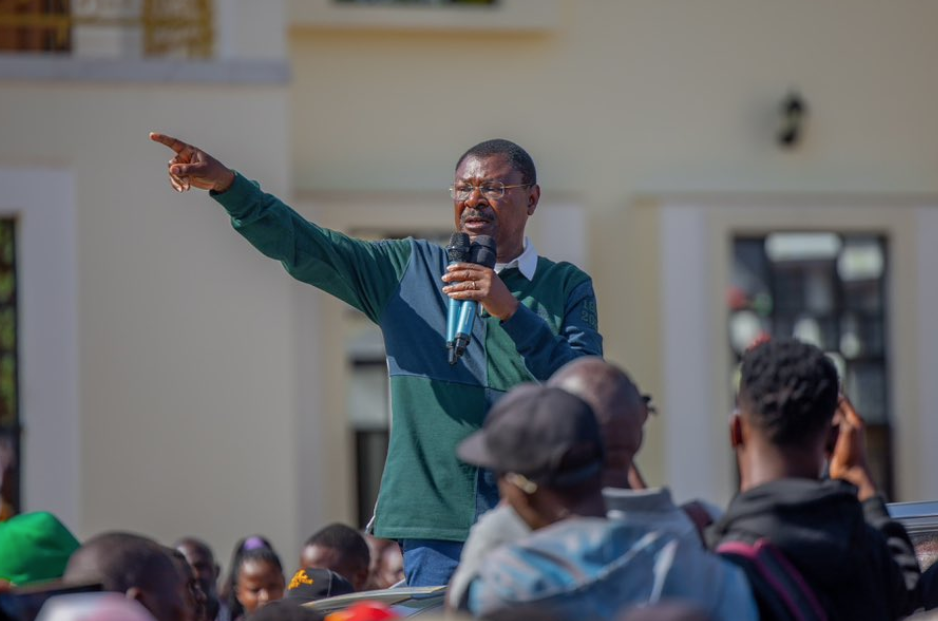
Cabinet Secretary for Information, Communications and the Digital Economy William Kabogo said accessibility must be treated as a core component of digital transformation efforts.
"A public service that citizens with a disability cannot use is not yet a complete public service," Kabogo said.
He noted that the National Artificial Intelligence Strategy places accessibility and inclusion at the centre of AI development and deployment, emphasising that technological progress should expand participation rather than create new barriers.
Delegates also discussed the growing role of artificial intelligence in advancing accessibility through innovations such as real-time sign language translation, automated captioning, personalised learning tools and navigation technologies for persons with disabilities.
Head of Advocacy and Legal at inABLE Julius Mbura, who is visually impaired, said persons with disabilities continue to face exclusion when digital systems are developed without accessibility considerations.
"When these platforms and systems are built without accessibility in mind, persons with disabilities are left out because they cannot access information or navigate different applications and websites," Mbura said.
The conference attracted more than 300 physical participants and over 3,700 virtual attendees.
INSTANT ANALYSIS
Ten innovators from across Africa showcased solutions designed to improve the lives of persons with disabilities, including customised bamboo wheelchairs and smart navigation systems for visually impaired persons. Despite rapid growth in digital services, many PWDs continue to face challenges accessing education, employment opportunities, banking services and government platforms due to inaccessible technologies and digital products.
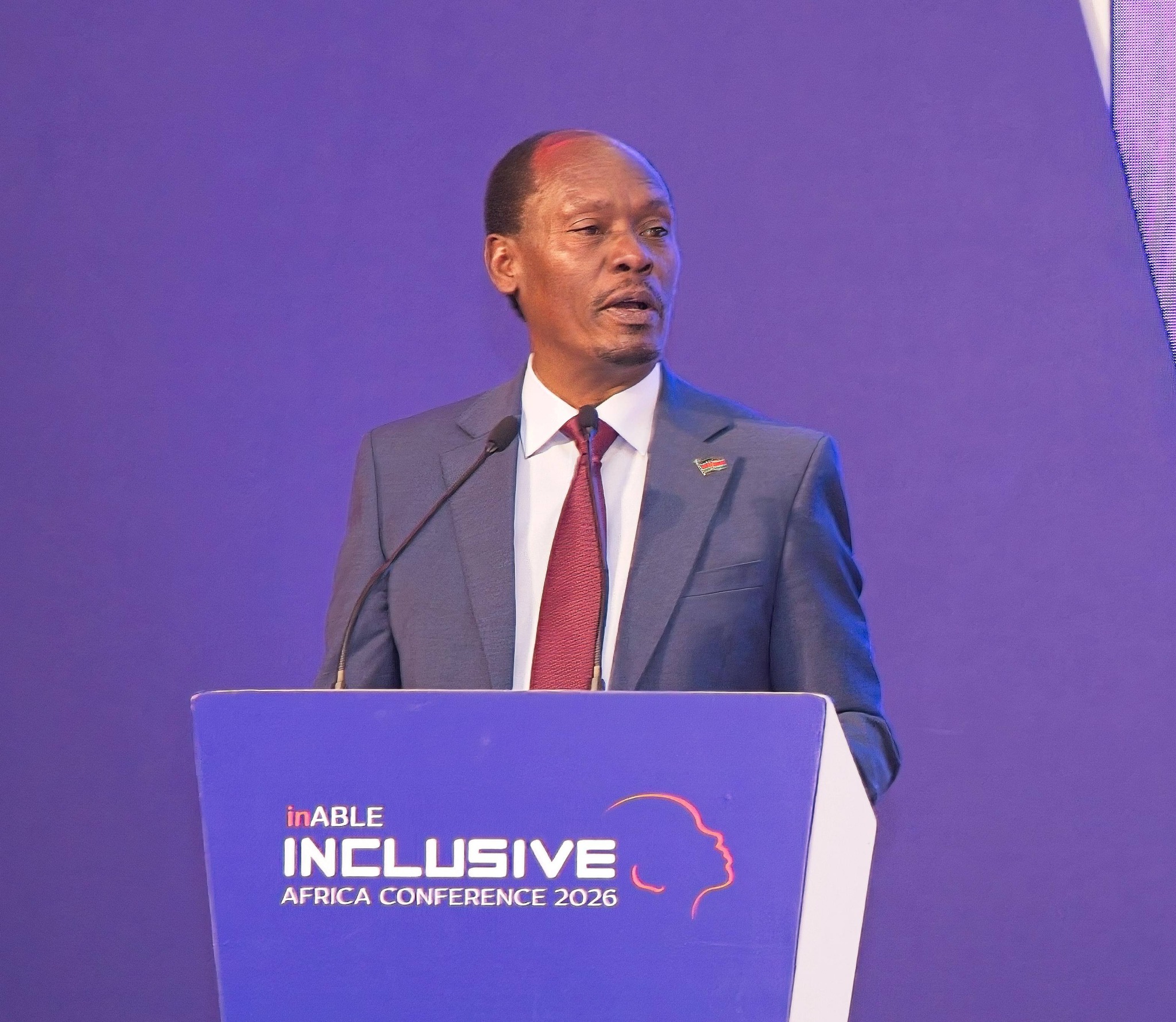 Cabinet Secretary for Information, Communications and the Digital Economy William Kabogo during the seventh Inclusive Africa Conference 2026 held in Nairobi on June 3, 2026/ ALICE WAITHERA
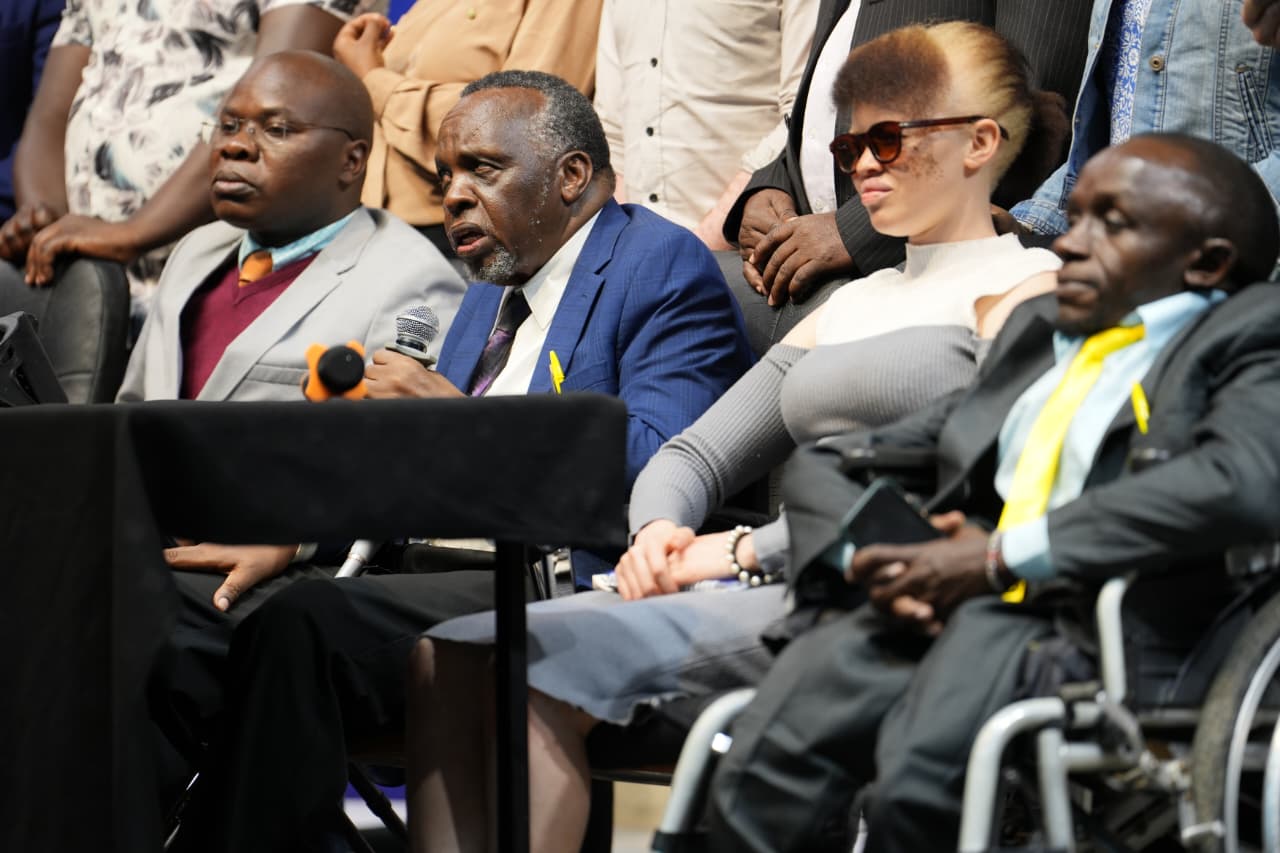
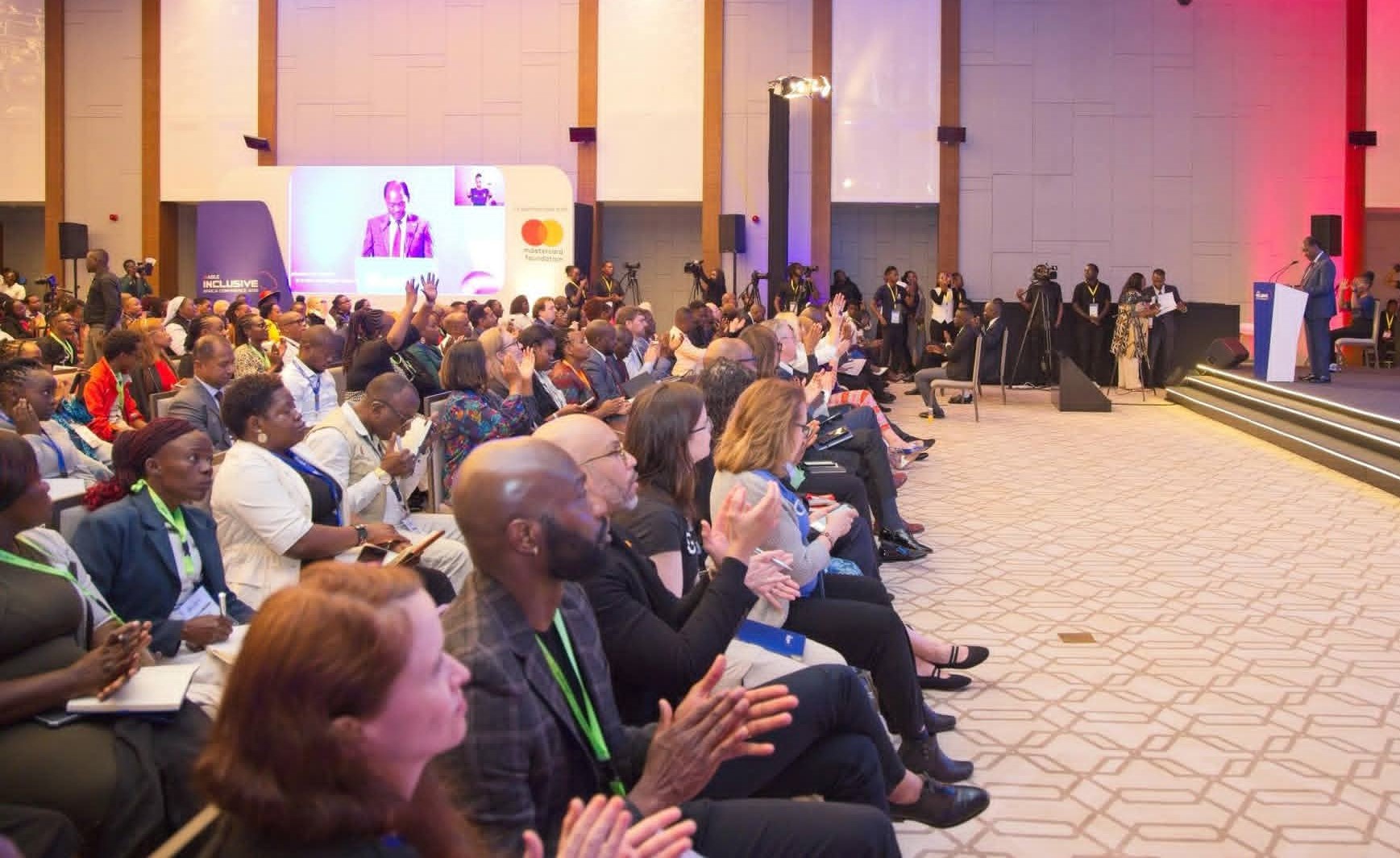 Delegates during the seventh Inclusive Africa Conference 2026 held in Nairobi on June 3, 2026/ ALICE WAITHERA