

 PMI
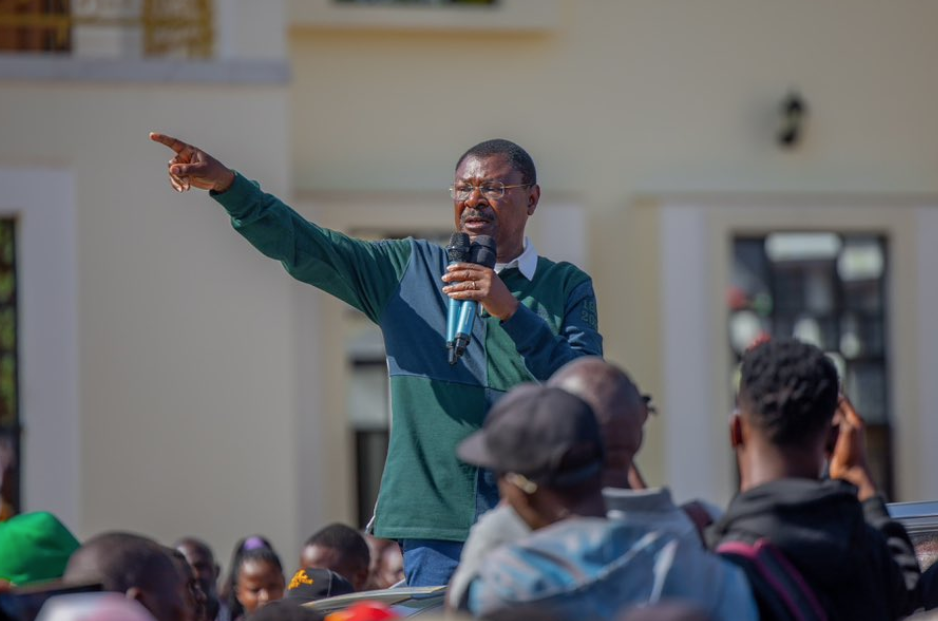
Kenya Chapter president Maurren Ochang / BRIAN OTIENO
PMI
Kenya Chapter president Maurren Ochang / BRIAN OTIENO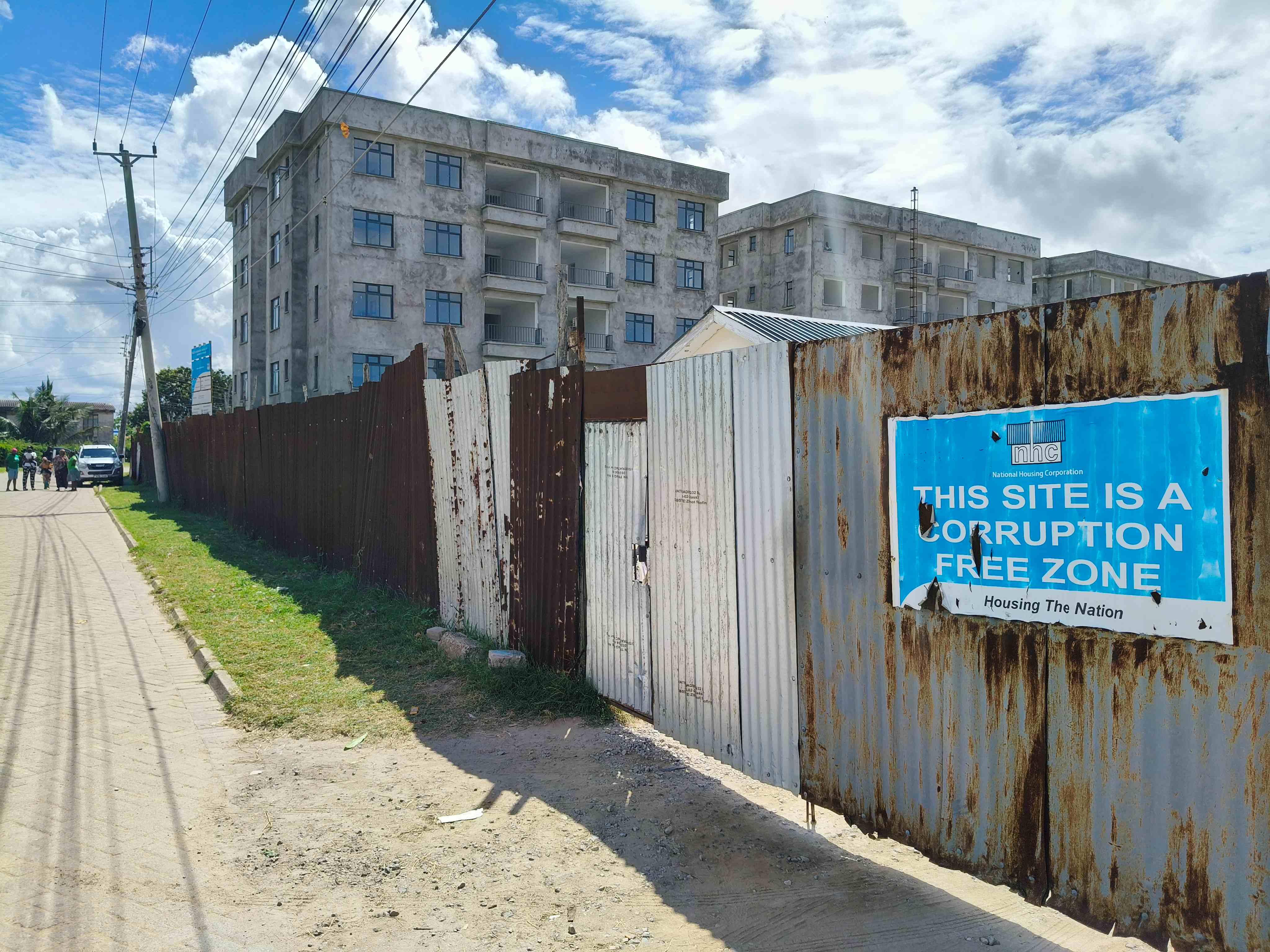 Affordable
Housing project at the Changamwe NHC estate /BRIAN OTIENO
Affordable
Housing project at the Changamwe NHC estate /BRIAN OTIENOThe government must strengthen project execution capacity across ministries and departments to maximise public value and accelerate development outcomes, experts have said.
This came after the tabling of the proposed Sh4.8 trillion budget for the 2026-27 financial year, the largest in Kenya’s history.
Project Management Institute (PMI) Kenya chapter president Maureen Ochang said the government should be commended for sustaining an ambitious development agenda despite global economic uncertainty and geopolitical pressures.
However, she cautioned that the growing scale and complexity of public investments now require stronger systems for coordination, implementation and performance oversight.
Ochang said Kenya’s continued investment in defence, infrastructure, education, healthcare, housing and digital transformation reflects a government committed to economic growth, job creation and competitiveness. She spoke in Mombasa on Wednesday during a project management forum.
“But the conversation must now shift from policy ambition to execution capability,” Ochang said.
The forum brought together government officials, development partners, infrastructure experts and project professionals to discuss delivery efficiency in public investment.
Ochang said Kenya has no shortage of plans and policy frameworks, including Vision 2030, the Bottom-Up Economic Transformation Agenda, county integrated development plans, sector strategies and climate commitments.
“The real question is: how do we execute better?” she posed.
Ochang observed that as public investment programmes expand, implementation efficiency is becoming central to fiscal sustainability and public confidence.
According to the International Monetary Fund (IMF), nearly half of more than 1,000 government-implemented projects in Kenya have stalled, with estimates suggesting that reviving them could cost nearly Sh1 trillion.
PMI’s Pulse of the Profession 2026 report shows projects that manage complexity effectively are five times more likely to succeed—an increasingly critical factor for governments handling large-scale transformation programmes.
PMI sub-Saharan Africa managing director George Asamani said governments continue to increase public investment to stimulate economic activity, build infrastructure, create jobs and improve productivity.
However, he noted that as programmes grow in scale and complexity, delivery capability becomes essential to ensuring public spending translates into real economic value.
Asamani said citizens are increasingly focused on how quickly projects are delivered, how funds are used and whether development priorities translate into visible improvements in daily life.
He cited public concern over delayed infrastructure projects such as the Nyali Bridge–Mtwapa dual carriageway, which has faced prolonged delays despite its importance in easing transport between Mombasa and Kilifi.
“Increasingly, public institutions are being judged not only by policy ambition, but by delivery,” Asamani said.
He warned that across Africa, implementation capacity is becoming a strategic determinant of development success, with PMI projecting demand for project professionals in Sub-Saharan Africa to grow by 56 to 75 per cent by 2035.
Ochang said project management should now be viewed not as an administrative function but as a strategic leadership capability critical to national development.
PMI Kenya Chapter reaffirmed its commitment to supporting government institutions through training, certification, knowledge exchange and strengthening delivery systems in the public sector.