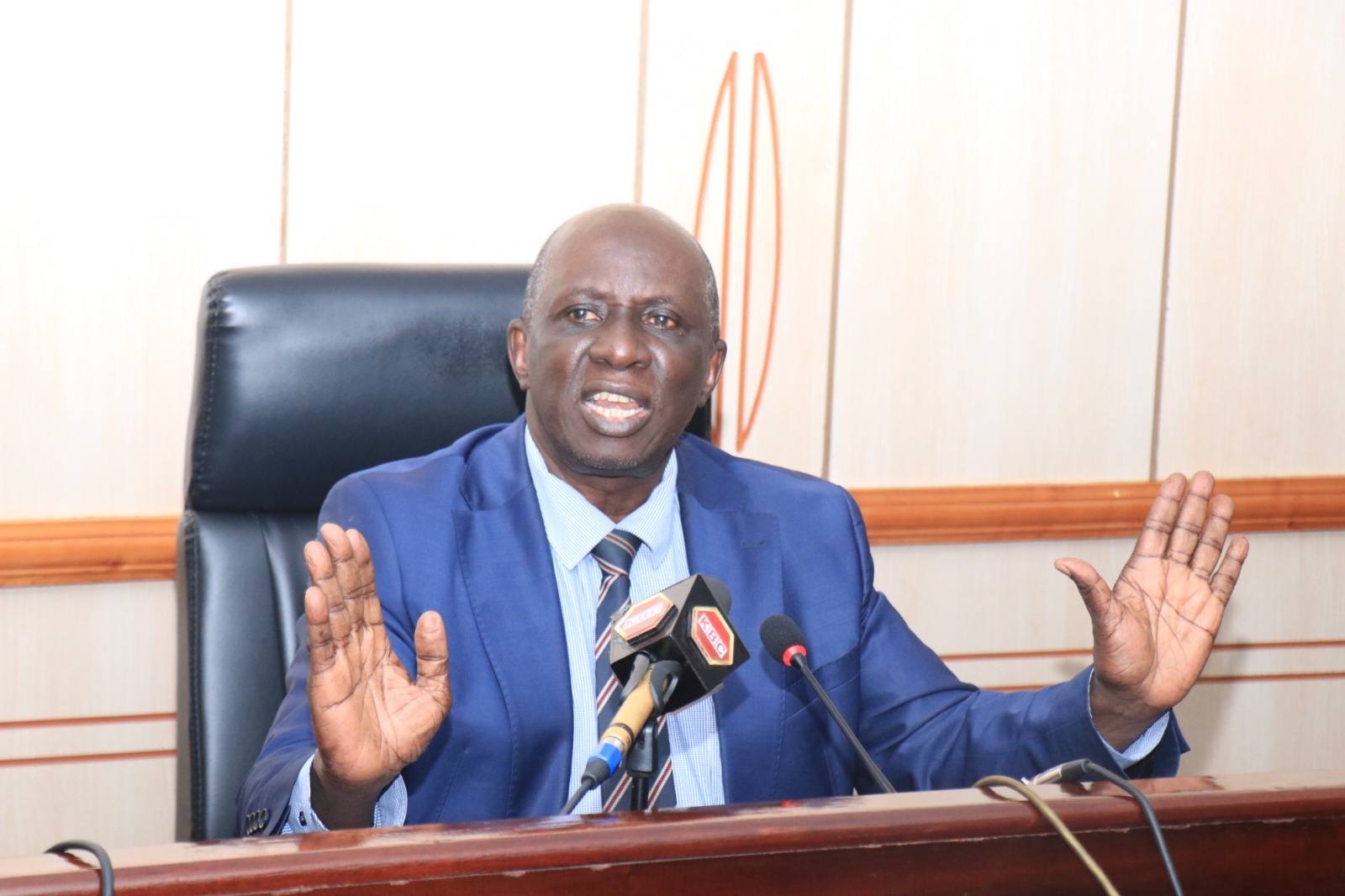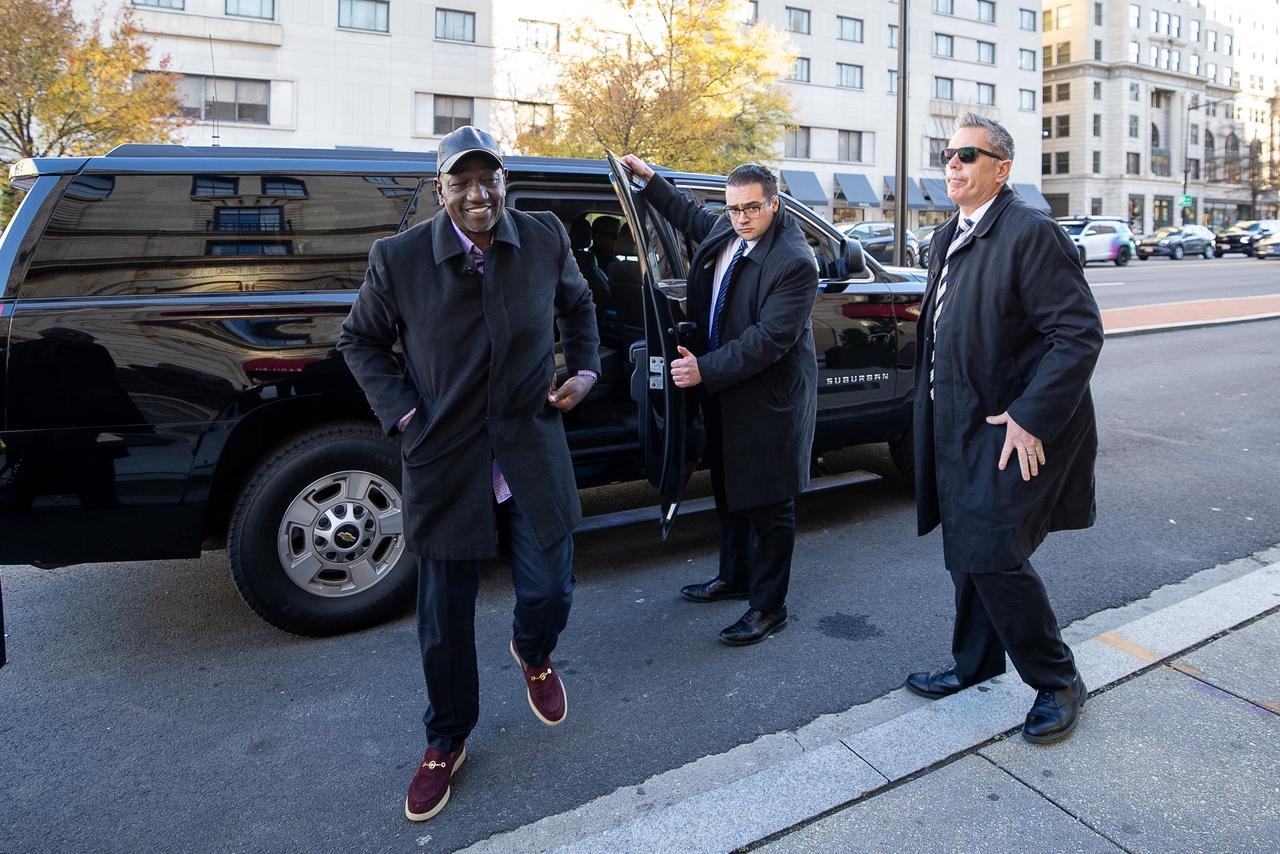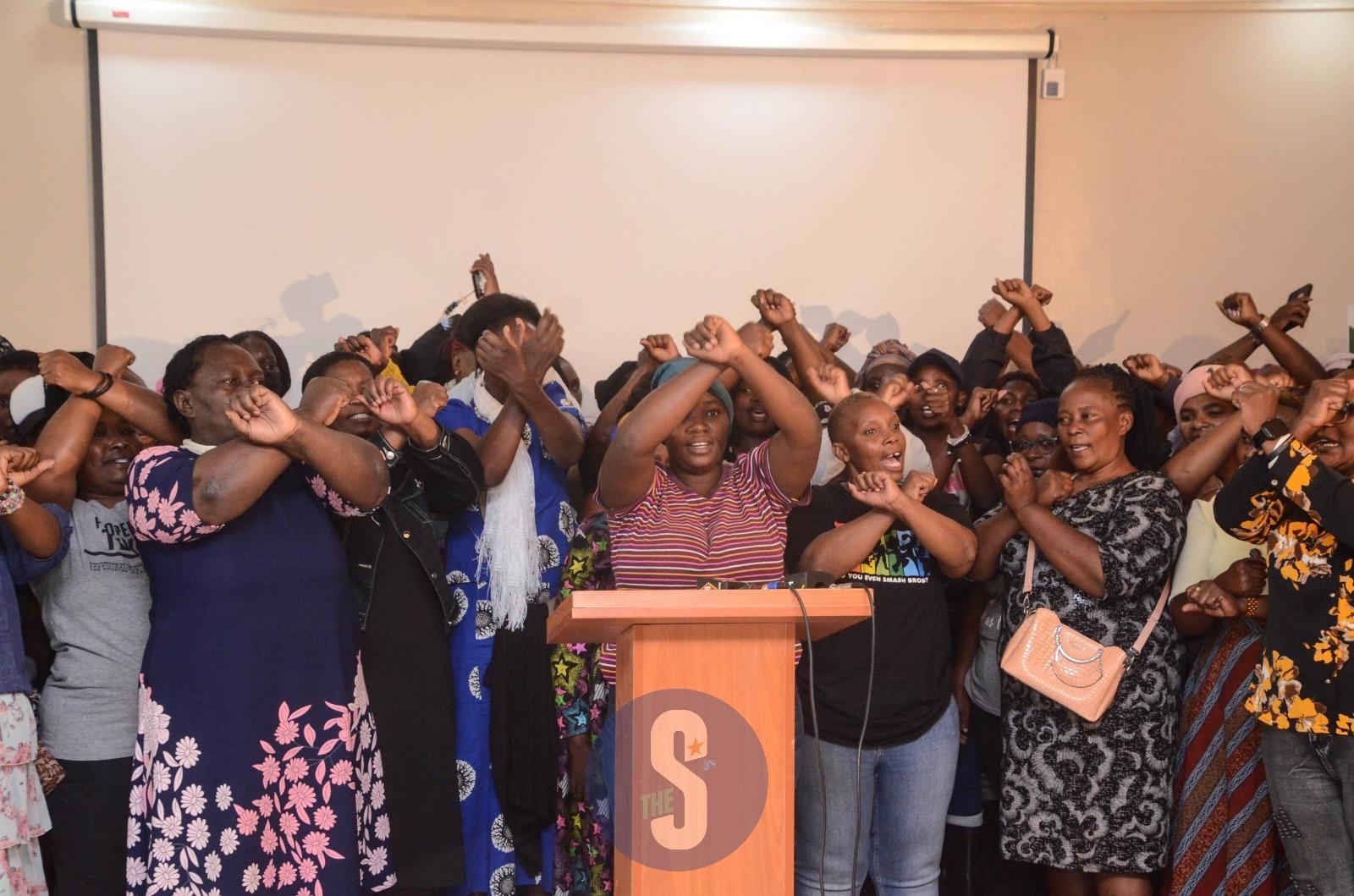


 Bishop Tumising and team pose for a photo in readiness for the upcoming 480 km mission of fitness ahead of the walk from Nairobi to Mombasa./HANDOUT
An 80-year-old bishop is set to begin a 480-kilometre trek from Nairobi to Mombasa on Tuesday, December 2, 2025, in a bid to raise funds for water access and infrastructure upgrades at Sasura Girls School in Marsabit County.
Bishop Dr. William Tuimising, EBS, a long-serving figure in Deliverance Church International and a clergyman with 63 years of ministry experience, will set off from the Kenyatta International Convention Centre (KICC) early tomorrow morning.
Participants are scheduled to gather at 5:00am, with the flag-off planned between 6:30am and 7:00am.
The walk, which is expected to run from 2nd to 20th December 2025, will cover more than 20 towns, passing through Machakos, Kajiado, Makueni, Taita Taveta, and finally Mombasa.
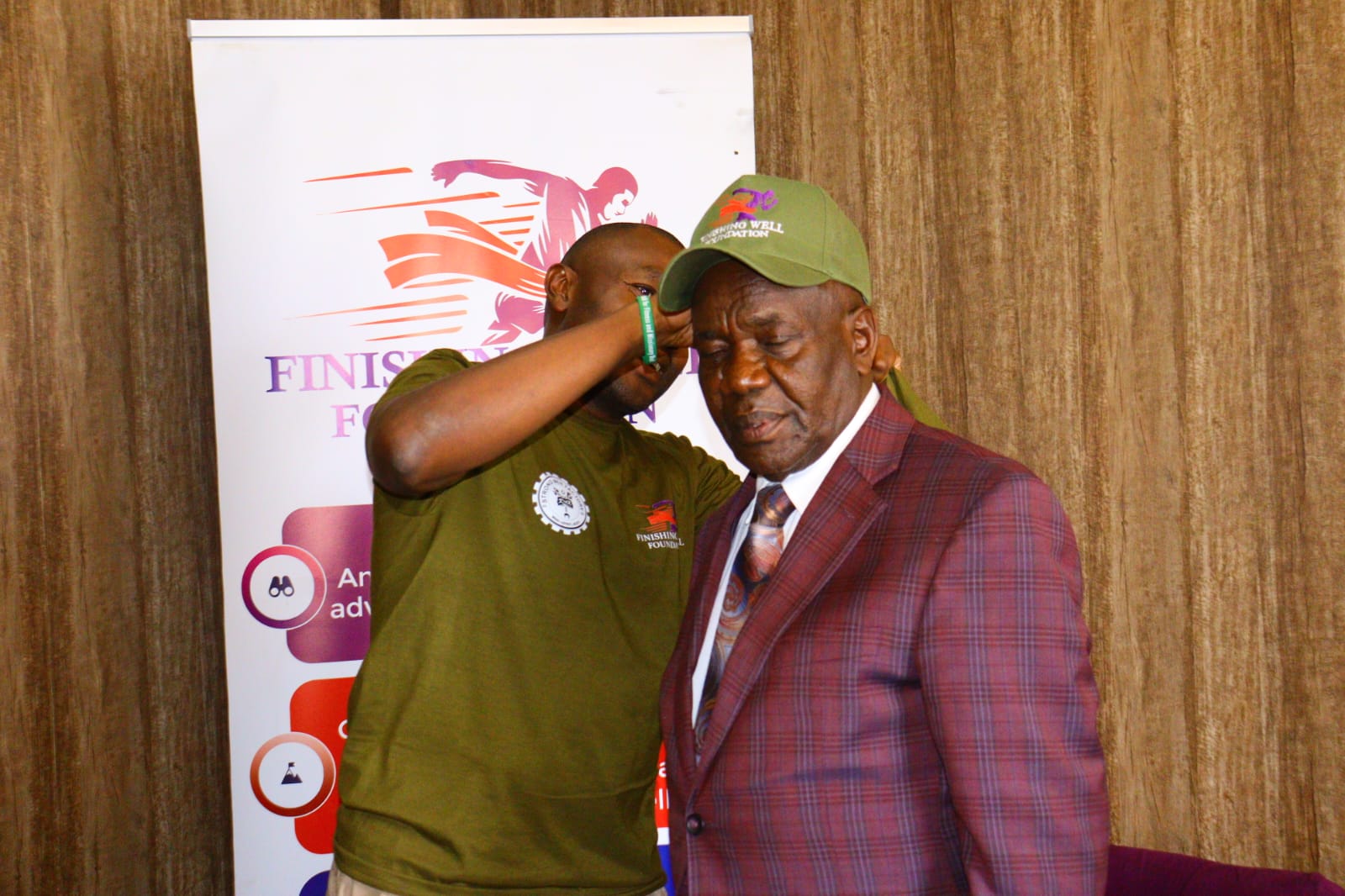 Bishop Tumising and team suit up in readiness for the upcoming 480 km mission of fitness ahead of the walk from Nairobi to Mombasa./HANDOUT
The team plans to walk roughly 30 kilometres per day, depending on the weather and terrain.
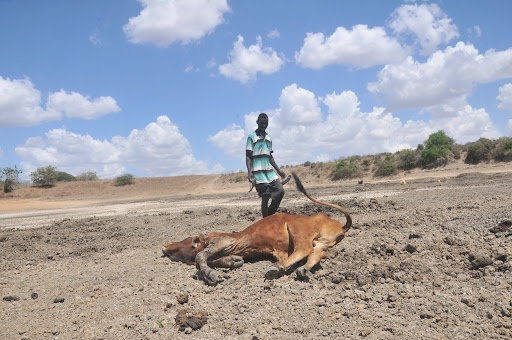
The initiative, referred to as the “Walk for Fitness and Missionary Work,” aims to support students at Sasura Girls School, where severe water scarcity forces each girl to rely on 20 litres of water over three days.
Organisers say funds raised will be directed toward drilling a borehole and improving classroom facilities.
Bishop Tuimising will be accompanied by a three-member team: Dr. William Sifuna, an operations officer at the National Disaster Management Unit within the National Police Service; James Onsongo, CEO of the Finishing Well Foundation; and Commander Steve Strong, founder of Strong Men Factory.
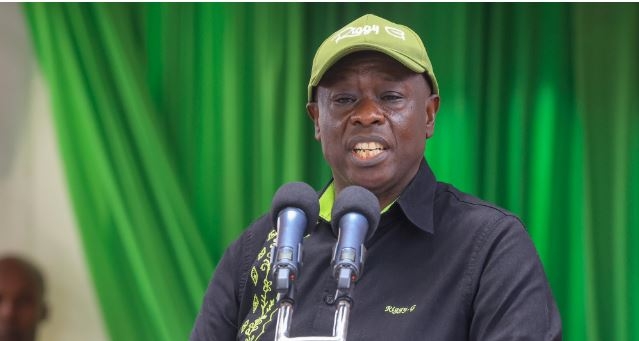
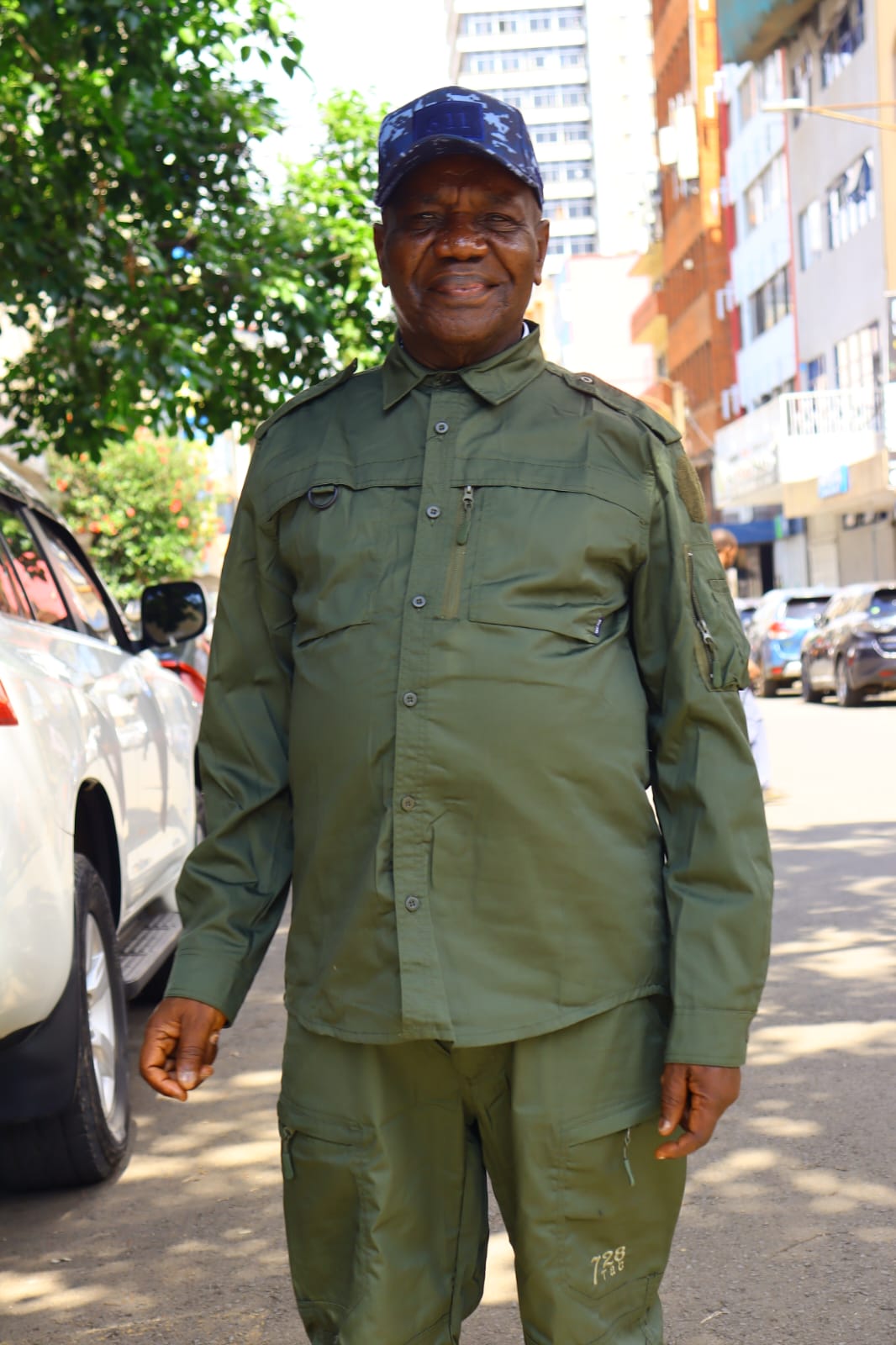 Bishop Dr. William Tuimising, EBS, a long-serving figure in Deliverance Church International and a clergyman with 63 years of ministry experience. /HANDOUT
The walk follows previous community-led attempts to draw attention to water shortages and education challenges in parts of northern Kenya, particularly in remote and arid regions where infrastructure deficits remain significant.