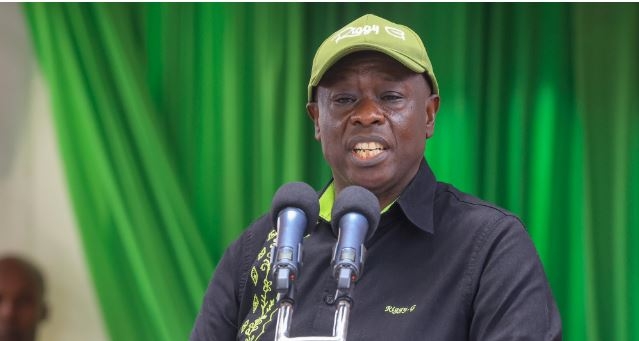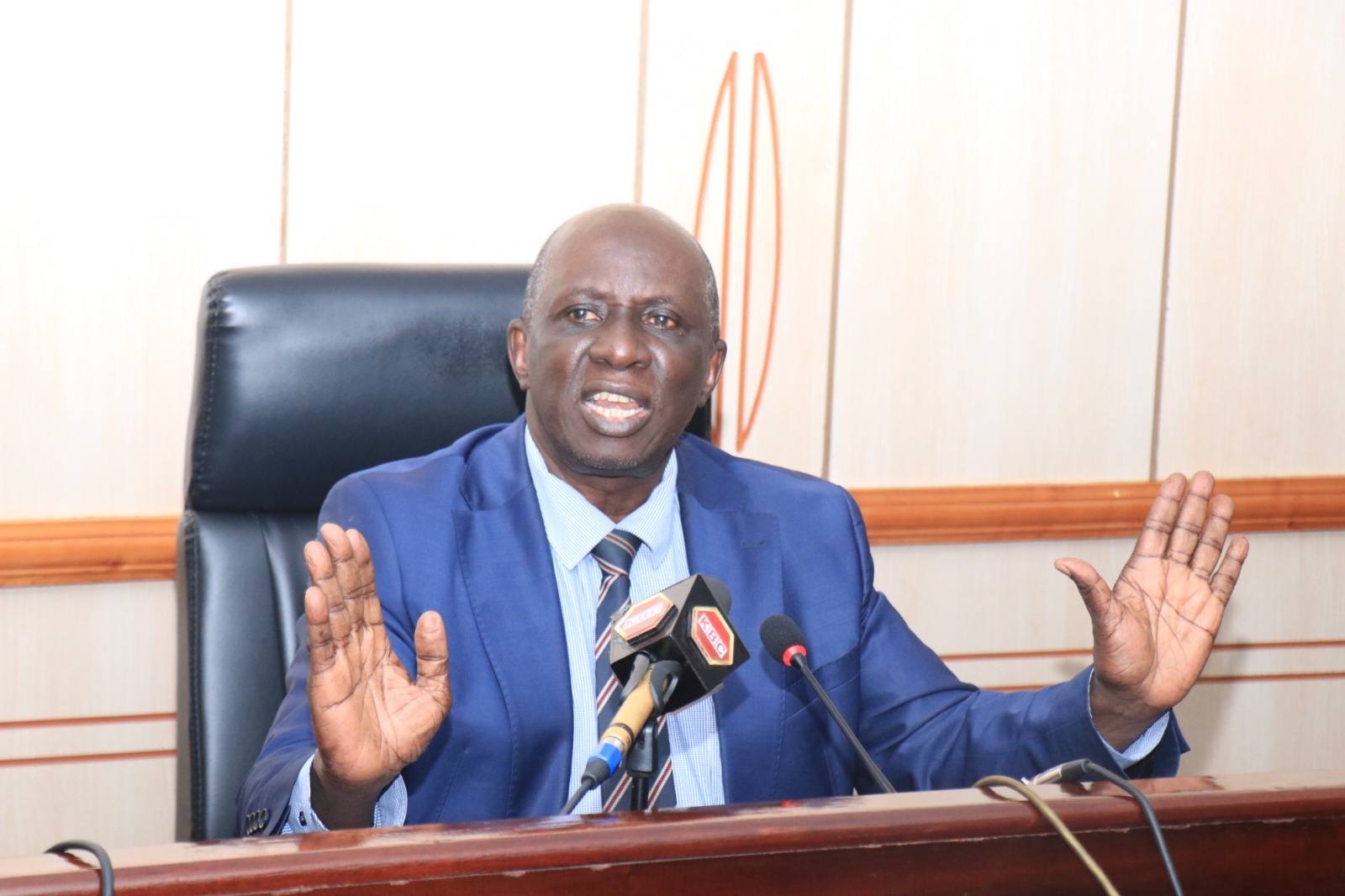



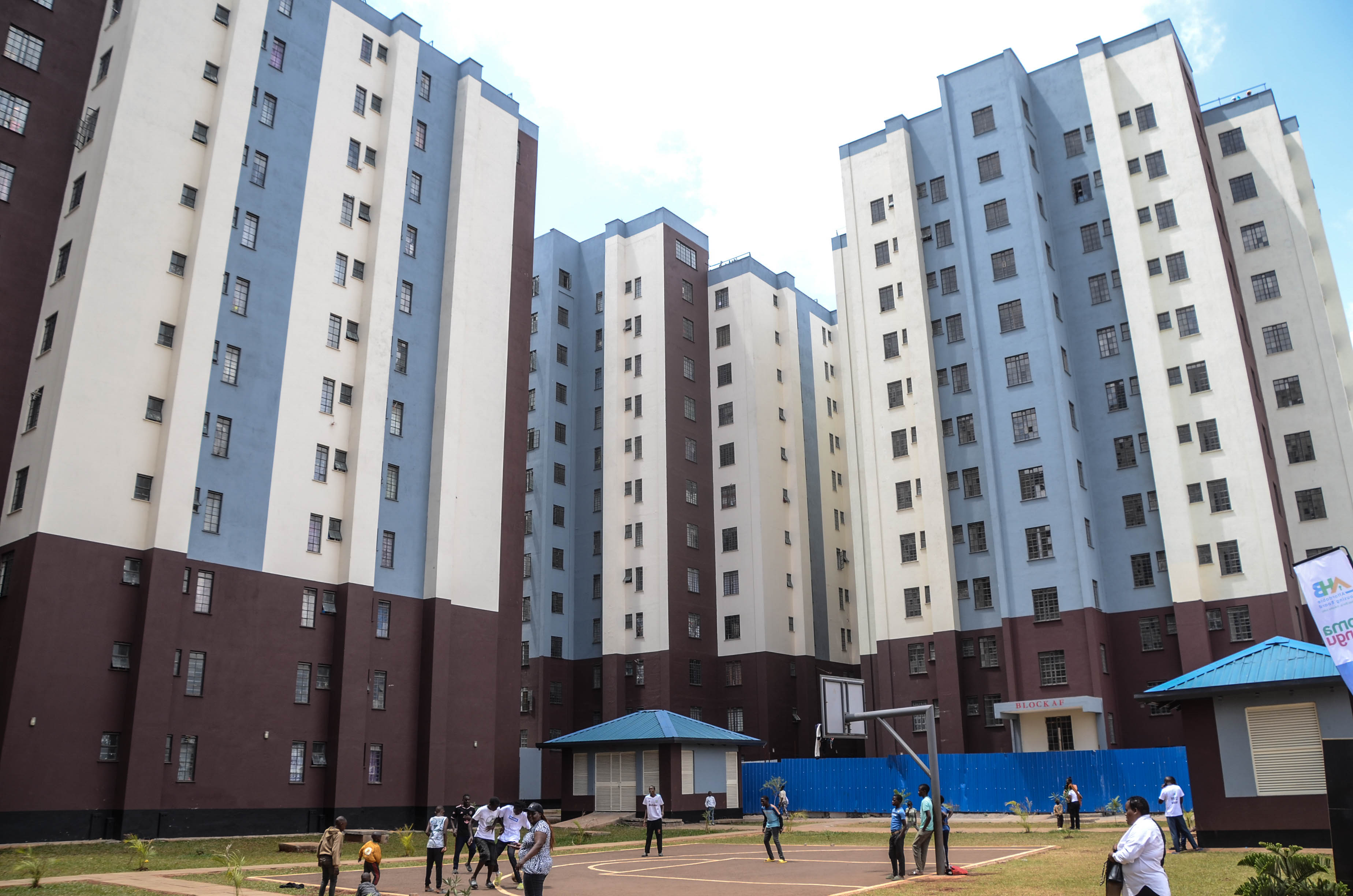
 New Mukuru Affordable Housing buildings on November 27, 2025 /DOUGLAS OKIDDY
 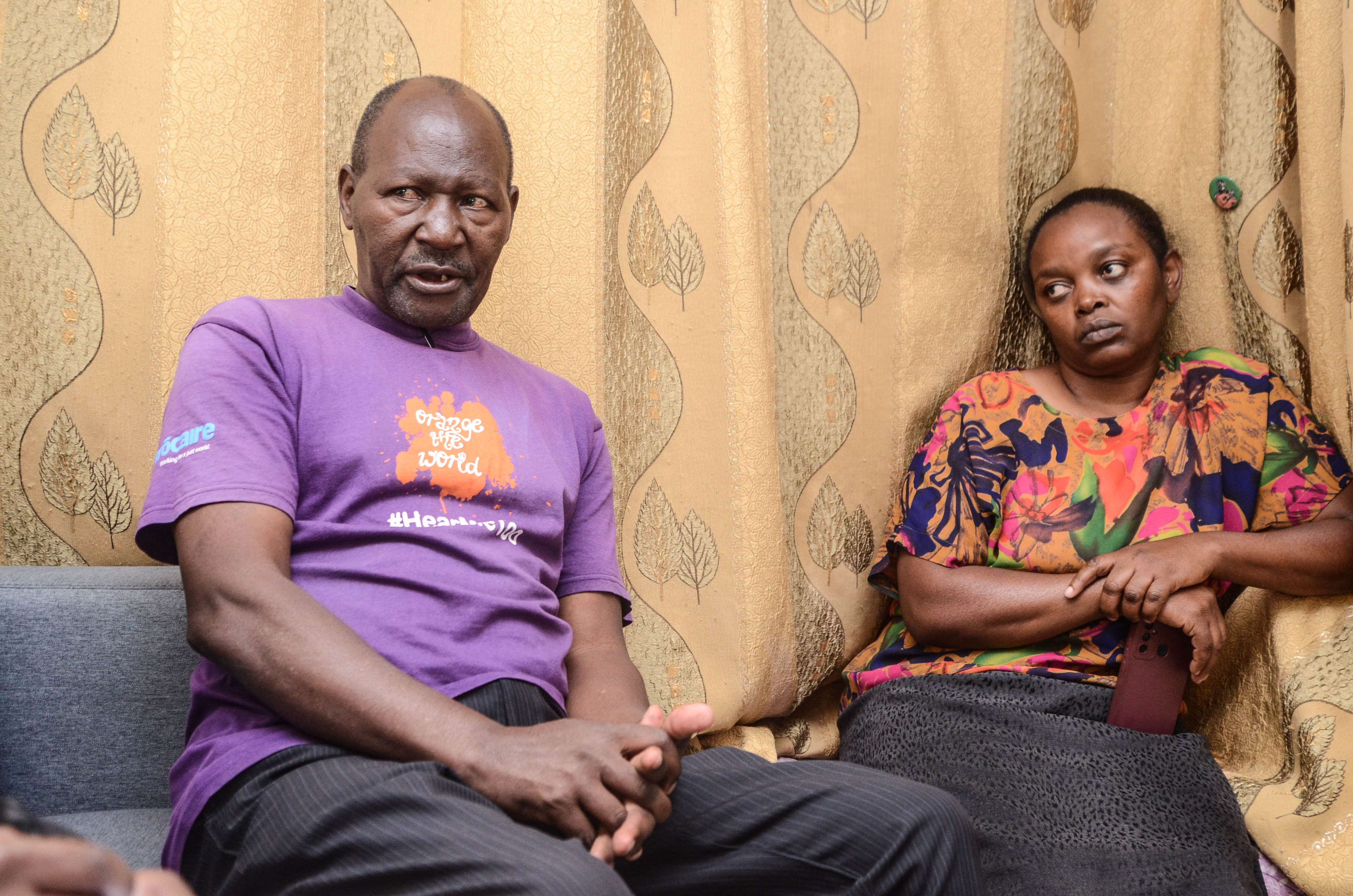 Joseph Mwenja and his wife Jane Njeri during the interview in their new house i Mukuru Affordable Housing buildings on November 27, 2025 /DOUGLAS OKIDDY
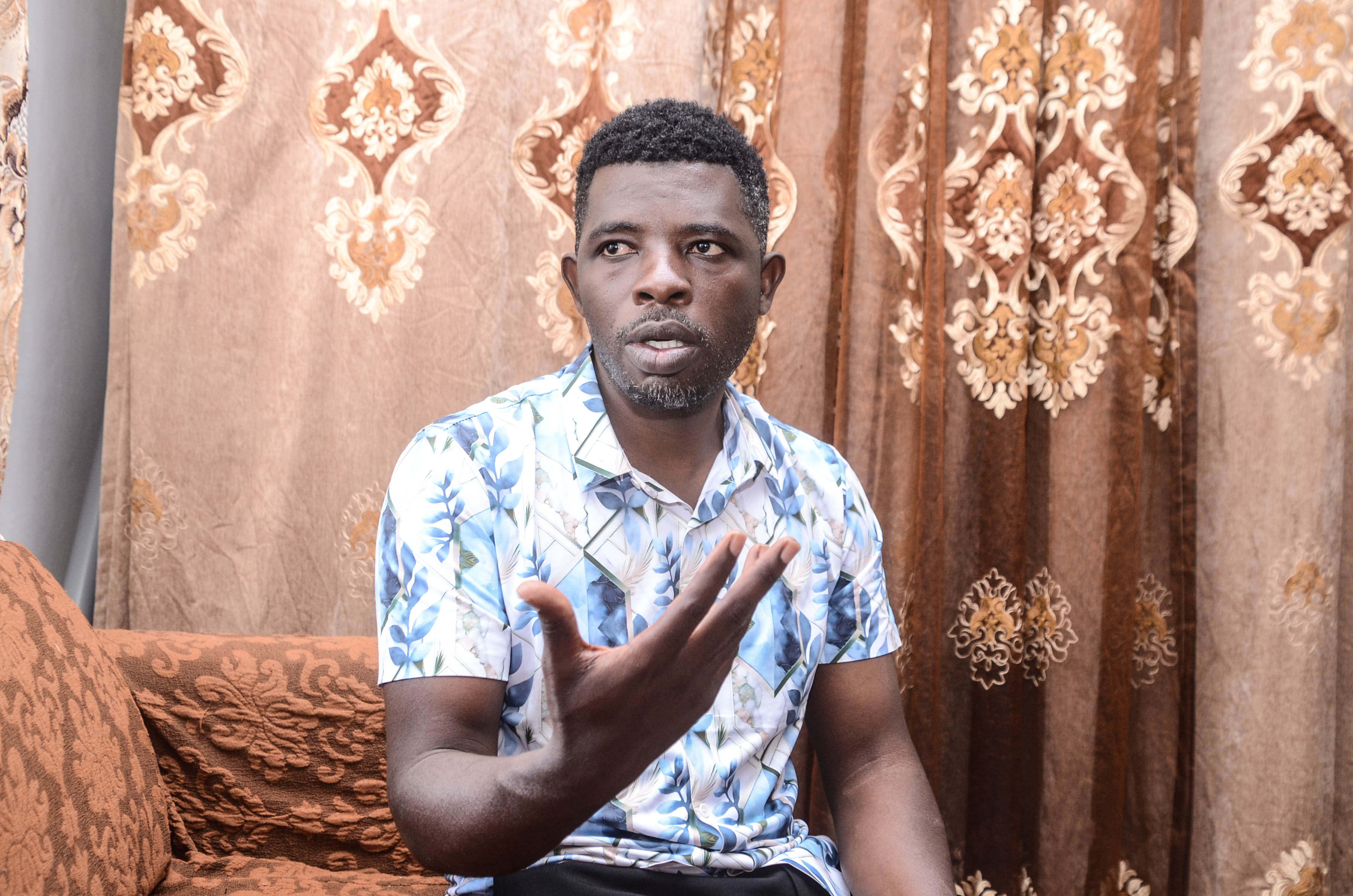 Geoffrey Odhiambo in his house in Mukuru Affordable Housing buildings on November 27, 2025 /DOUGLAS OKIDDY
Rose Munyiva, 25, has, over the years, witnessed the challenges associated with dwelling in informal settlements.
Born and brought up in Nairobi’s sprawling slums of Mukuru kwa Njenga, she remembers with nostalgia how she preferred flying toilet to pit latrine, especially at night. A flying toilet is a facetious name for a plastic bag that is used to collect human faeces when there is a lack of proper toilets.
“We preferred flying toilet at night because of insecurity,” Munyiva says.
She says criminals would often waylay those going to the toilet at night.
To avoid the risk, we had to use flying toilet, she says, a smile dancing on her face.
Munyiva's stay in the informal settlement came with a number of challenges.
During the rainy season, their houses would flood.
If there were no floods, drinking water would mix with raw sewer. This meant waterborne diseases, such as cholera, were common.
Open sewer also provided a breeding ground for mosquitoes.
Munyiva says walking from her house to the bus stage, especially during rainy seasons, also posed problems as roads were impassable. In most cases, one had to carry an extra pair of shoes and clothes to change once they got to the bus stop.
Munyiva, a mother of one and a beneficiary of President William Ruto’s affordable housing project in Mukuru kwa Njenga, says their new home is not only safe but clean as well.
She does not have to worry about where the child goes to play as safety is guaranteed due to the presence of guards and CCTV cameras.
Munyiva says she used to pay Sh2,000 as rent every month in her old house.
Water, power and sanitation bills had to be paid separately.
In her new home, her electricity bill is Sh100 per month as opposed to Sh500 that she used to pay at the informal settlement.
Within the area, five blocks consisting bedsitters have been occupied while others are coming up.
A total of 1,080 units have been occupied.
Joseph Mwenja, 62, is among those who have occupied one of the units.
He moved on May 20, when the units were launched by Ruto.
“The President gave me the key,” Mwenja, who used to reside in Riara, Mukuru Kwa Njenga, says.
They had to move as the area they occupied belonged to the government.
“There were many problems in the slums. The area is invested by criminals,” he says.
Mwenja says other problems included water shortages, power outages, poor drainage, as well as lack of sanitation.
He says the house at the slum was made entirely out of iron sheets, exposing them to insecurity.
“Our new home is not only
secure but has proper sanitation. I also have access to electricity. We feel
uplifted,” Mwenja, who used to pay Sh2,000 in the slum as rent, says.
Today, he pays rent to own of Sh4,210 per month.
Mwenja says apart from paying rent, they used to pay for other services such as water.
At the slum, a 20-litre jerrycan of water cost Sh5 while accessing toilet facilities would cost Sh10 per use.
Mwenja, who has five kids, says he used to pay Sh500 for power, which was most of the time unreliable.
Geoffrey Odhiambo is also among the beneficiaries of the affordable housing project.
He says it was hard to access schools and hospitals during their stay at the informal settlement.
Odhiambo says even though they have modern prepaid cooking gas in their new home, there are challenges with it that needs to be fixed.
He says once they moved in, they were given a three-month grace period to enjoy services such as access to water and gas.
They also have Wi-Fi services that cost Sh800 per month but negotiations were underway to bring the cost even cheaper.
Odhiambo says the newly installed lifts have also been stalling and needs to be fixed.
He says plans are in place to put up some of the amenities such as a level four hospital and a school for ECD to Grade 6.
Odhiambo pays Sh3,900 per month in rent-to-own terms. In the arrangement, he is expected to have paid Sh640,000 in the next 30 years.
Ruby Nyalesa moved on June 12 this year.
Nyalesa, who also used to reside in Mukuru Kwa Njenga, says she used to pay Sh1,800 as rent.
She says water, electricity and sanitation services had to also be sorted.
Nyalesa, who has four kids, says they would queue to access bathroom.
Spanning 56 acres and comprising 13,248 housing units, the Mukuru project is part of government’s commitment to providing dignified living spaces for all Kenyans.
The development features bedsitters (5,616 units across 26 blocks), one-bedrooms (3,024 units in 14 blocks), and two-bedrooms (4,608 units across 48 blocks).
The completion of the construction of the housing units is targeted for March next year.
Pricing is structured under a rent-to-own model where bedsitters go for Sh3,900 per month, one-bedroom (Sh4,000) and two-bedroom (Sh5,000).
Instant analysis
The Mukuru affordable housing project represents a major step in improving living standards for Nairobi’s low-income residents. Beneficiaries report transformative impacts, from enhanced safety and sanitation to reduced utility costs, highlighting the shift from precarious slum conditions—such as flooding, disease and insecurity—to secure, self-contained units. The rent-to-own model makes homeownership achievable while providing modern amenities like electricity, Wi-Fi and lifts, though minor teething problems persist. With 13,248 units across 56 acres and ongoing development including schools and a level 4 hospital, the project underscores the government’s commitment to dignified housing and the social and economic uplifting of vulnerable populations.