


The assistive technology sector has the potential to become a major driver of youth employment, entrepreneurship, innovation and inclusive economic growth, according to a new report.
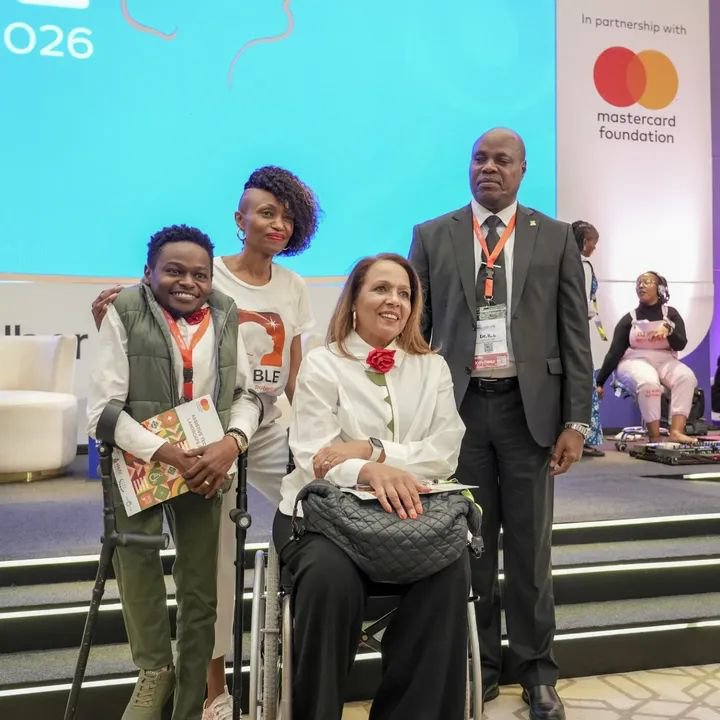
The report, dubbed the Assistive Technology Landscape in Africa Report, was launched by the Mastercard Foundation in Nairobi during the 7th Annual Inclusive Africa Conference hosted by the organisation.
It presents what is described as the most extensive assessment yet of the continent’s assistive technology ecosystem. The report was developed through a research consortium led by Stellenbosch University and examines assistive technology access, policy environments, innovation ecosystems and market opportunities across all 54 African countries.
The findings show that demand for assistive technology products and services continues to grow across Africa as governments, businesses and communities work towards greater inclusion of persons with disabilities.
An estimated 15 per cent of Africa’s population lives with a disability, yet many remain excluded from education, employment, entrepreneurship and digital participation due to limited access to essential assistive devices.
The report identifies major barriers to access, including high costs, limited product availability, inadequate service delivery systems and long travel distances to providers, particularly in rural areas.
Despite these challenges, the sector is described as a growing economic space that could generate employment and business opportunities while advancing disability inclusion.
The sector includes a wide range of products and services such as hearing aids, wheelchairs, braille devices, screen readers, prosthetics, digital accessibility tools, maintenance services, manufacturing and technical support.
Researchers found that strategic investment in local production and innovation could help reduce reliance on imported products while creating thousands of jobs for young Africans.
They further note that the sector presents opportunities not only for persons with disabilities, but also for engineers, software developers, manufacturers, healthcare professionals, technicians, entrepreneurs and researchers.
One of the report’s key findings is the growing number of African innovators developing assistive technology solutions designed specifically for local communities and environments.
However, the majority of assistive technology products available across the continent continue to be imported, creating a gap that local innovators and manufacturers could fill.
The report also notes that innovation hubs, universities, disability organisations and technology companies are increasingly collaborating to develop solutions tailored to the needs of African users.
Researchers say increased investment in African-led enterprises, research institutions and manufacturing facilities could strengthen supply chains while making products more affordable and accessible.
The report was commissioned by the Mastercard Foundation and developed through a consortium led by Stellenbosch University in partnership with Kwame Nkrumah University of Science and Technology (KNUST), Humanity and Inclusion, and the Clinton Health Access Initiative (CHAI).
Researchers reviewed 185 scientific studies and 338 grey literature publications from across Africa, producing what is considered the most comprehensive evidence base on the continent’s assistive technology landscape.
Speaking during the launch, Hannah Tsadik of the Mastercard Foundation said the report provides critical evidence needed to guide future investments and partnerships across the continent.
She noted that strengthening the assistive technology ecosystem could unlock opportunities for millions of young people with disabilities while supporting broader economic development goals.
Irene Mbari-Kirika, founder and executive director of inABLE, said access to assistive technology continues to transform lives by enabling education, employment, leadership and economic participation.
She called for stronger collaboration among governments, development partners, innovators and the private sector to accelerate progress.
The findings suggest that with supportive policies, increased funding and investment in local innovation, Africa’s assistive technology sector could emerge as a significant contributor to both economic growth and social inclusion.