

 Wajir
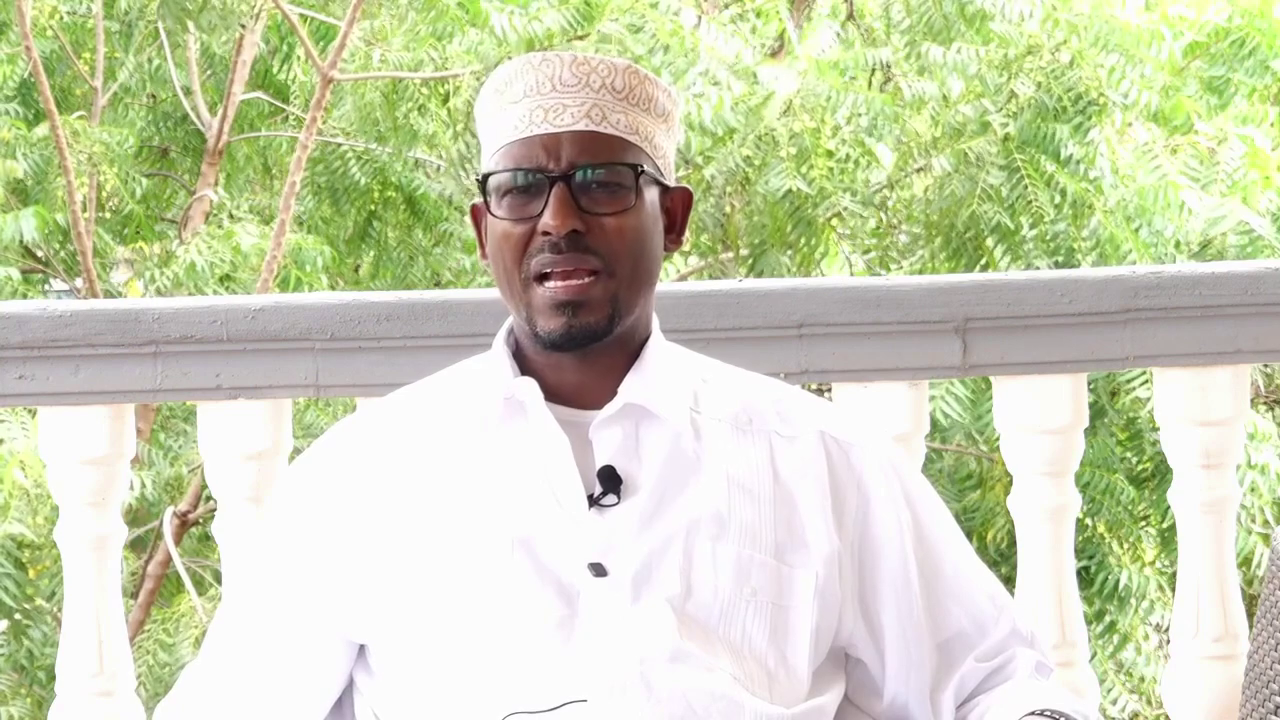
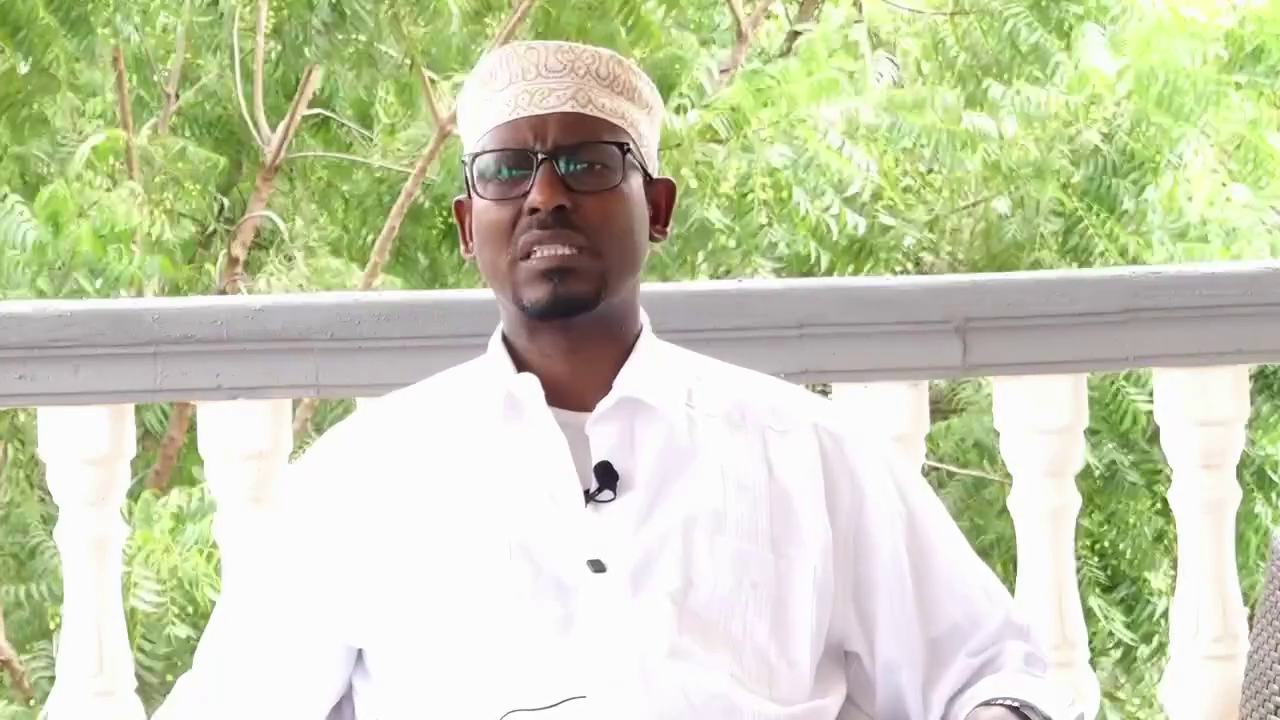
Governor Ahmed Abdullahi speaking to the press in his Wajir office on Wednesday /STEPHEN
ASTARIKO
Wajir
Governor Ahmed Abdullahi speaking to the press in his Wajir office on Wednesday /STEPHEN
ASTARIKO
Wajir Governor Ahmed Abdullahi has welcomed President William Ruto’s directive to formally integrate Madrasa and Dugsi education into Kenya’s national education system.
The governor described the move as a long-awaited milestone that will expand access to education and recognise learning pathways that have served communities for generations.
Speaking to the press at his office in Wajir on Wednesday, Governor Abdullahi said the decision marks a historic turning point for communities in northern Kenya and other regions where Madrasa and Dugsi institutions play a central role in educating children.
“The integration of Madrasa and Dugsi education into Kenya’s formal education system is long overdue. This has been a dream for many communities for decades, and we are pleased to see it finally receiving national recognition,” governor said.
The governor was responding to President William Ruto’s announcement during the 62nd Madaraka Day celebrations at Wajir Stadium.
The head of state directed the Education ministry to begin consultations to establish a framework for the formal recognition and integration of alternative learning institutions such as Dugsi and Madrasa schools.
President Ruto said while the government has made significant investments in expanding access to education through school feeding programmes, teacher recruitment, infrastructure development and digital connectivity, many children in marginalised and pastoralist regions remain outside the formal education system.
“No child will be denied the opportunity to learn because of geography or historical neglect,” Ruto said.
“While we continue to deploy teachers, build infrastructure and expand digital connectivity across this region, some children in northern Kenya and other marginalised regions remain outside the formal education system because of alternative learning pathways that have not been adequately recognised or accommodated within our education framework,” he added.
The President said the lack of a clear framework for recognising Dugsi, Madrasa and pastoral instruction programmes has prevented many learners from accessing formal education opportunities and transitioning smoothly into the national education system.
“This challenge is particularly evident in the absence of a clear framework to recognise and integrate Dugsi, Madrasa and programmes for pastoral instruction into the national education system,” he said.
“Today, I direct the Cabinet Secretary for Education to engage all relevant stakeholders and take the necessary measures under the Basic Education Act to consult widely and recommend appropriate measures for the formal integration of the same.”
The President added that the move would ensure every child, regardless of background or circumstance, has a recognised pathway to learning, skills development and economic opportunity. “Every child deserves a door into learning. It is our duty to open every door,” he said.
Governor Abdullahi praised President Ruto for what he termed a bold and visionary decision that acknowledges the educational realities of many Muslim and pastoralist communities across the country.
“I want to sincerely thank President William Ruto for making this vision a reality through his commitment to formally recognise these institutions within the national education framework,” the governor said.
He noted that Wajir county had already taken significant steps towards supporting Madrasa education years before the national policy shift.
“As governor, I initiated this programme during my first term by placing Madrasa teachers on the county payroll, a bold decision at the time despite the idea not being popular in some quarters,” he said.
“Upon returning to office, I expanded the programme because I firmly believed that investing in Madrasa and Dugsi education was essential to empowering our children, strengthening educational outcomes, and preserving our values and cultural identity.”
Education stakeholders argue that formal recognition of Madrasa and Dugsi institutions would help bridge educational gaps in arid and semi-arid regions, where many children begin their learning journey in religious schools before transitioning to formal education.
Advocates say integration would improve curriculum alignment, learner assessment, teacher training and certification, while preserving the religious and cultural foundations of these institutions.
The move is also expected to contribute to the government’s efforts to achieve universal access to education by ensuring children enrolled in alternative learning systems are captured within the national education framework.
The Ministry of Education is expected to commence stakeholder consultations in the coming months as it works towards developing recommendations and policy measures for the formal integration of Madrasa and Dugsi education under the Basic Education Act.
 Wajir
Governor Ahmed Abdullahi speaking to the press in his Wajir office on Wednesday./STEPHEN
ASTARIKO
Wajir
Governor Ahmed Abdullahi speaking to the press in his Wajir office on Wednesday./STEPHEN
ASTARIKO