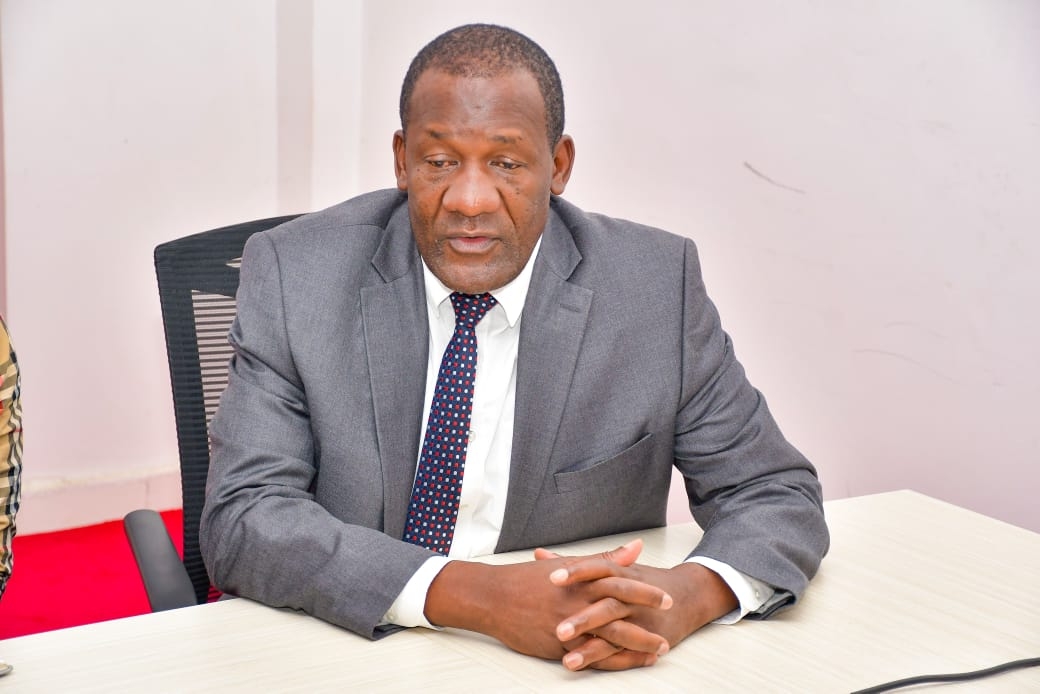


Kenya Sugar board chairman Nicholas Gumbo during the Sugar Industry Innovation symposium in Kisumu/Faith Matete

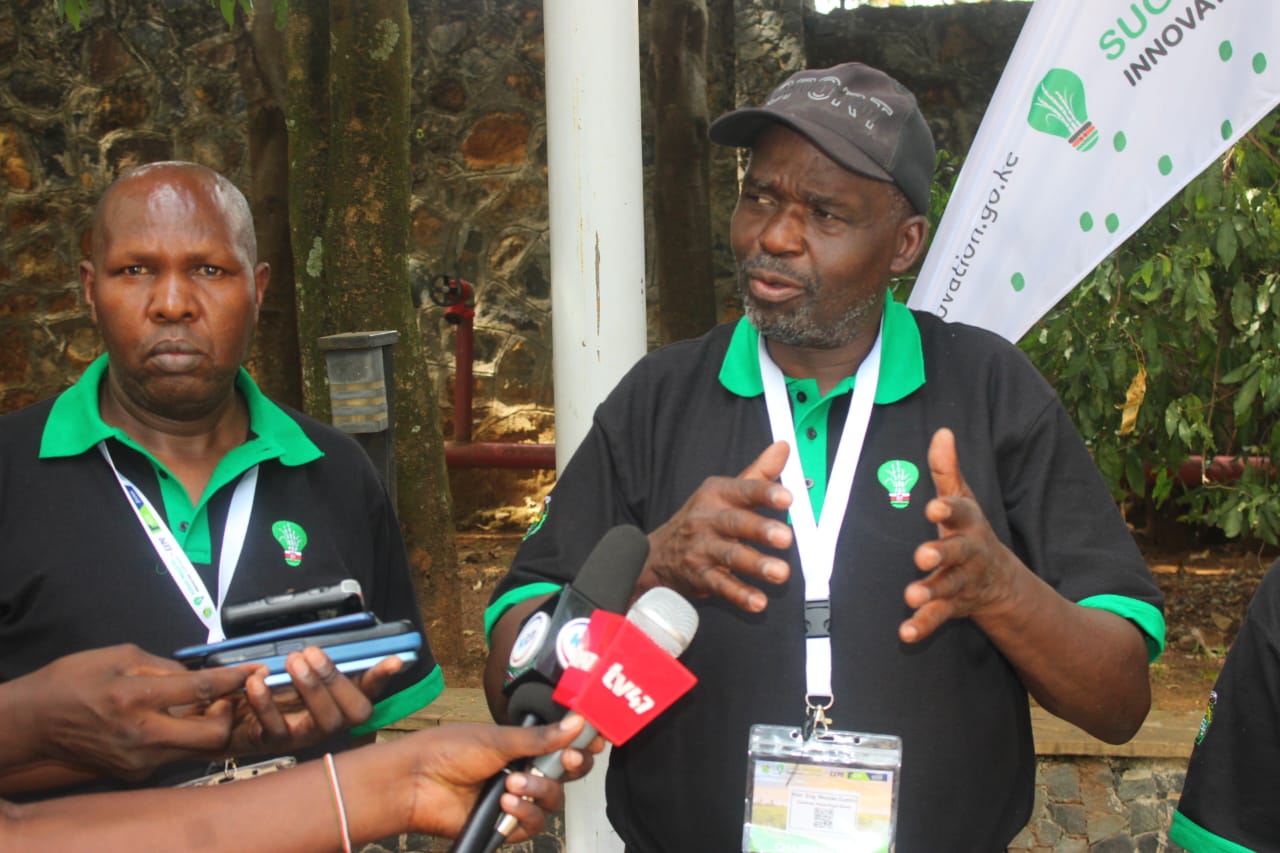
Participants during the Sugar Industry Innovation symposium in Kisumu/Faith Matete
Kenya’s sugar industry is shifting towards a technology-driven and diversified future as the government and sector players push to raise farmer earnings, lower consumer prices and expand production beyond traditional sugar processing.
Speaking during the annual sugar sector symposium, Kenya Sugar Board chairman Nicholas Gumbo said the industry must overhaul its approach if it hopes to remain sustainable.
He said for decades, the country has focused almost entirely on sugar, which accounts for only 15 per cent of the cane, leaving 85 per cent of the crop underutilised.
“We are now looking at how we can integrate every component of the cane so that nothing goes to waste,” he said.
“Bagasse can generate electricity through cogeneration, molasses can produce ethanol, and other by-products like press mud and ash can be converted into valuable industrial materials.”
Gumbo said strengthening farmers will remain the backbone of reforms. Despite the promise of modernisation, he cautioned that technological investments mean little if farmers, who sustain the entire value chain, are not earning decent returns.
“No matter how sophisticated our factories become, nothing works if farmers are not empowered,” he said.
“We must make cane farming affordable and ensure the consumer can still afford sugar.” Currently, farmers earn about Sh5,600 to 5,700 per tonne of cane delivered.
The board projects that with full utilisation of the crop, farmers could earn up to Sh15,000 per tonne within the next decade.
However, the chairman acknowledged several obstacles.
Poor rural roads, especially in high-rainfall areas where cane is grown on valley floors, continue to inflate transportation costs.
In some cases, millers are forced to use winches to haul cane during heavy rains, a process he described as “a vicious cycle” because it damages the same roads farmers rely on.
“Agriculture is devolved, and this is why we are working closely with county governments. Bad roads make everything more expensive and the consumer eventually pays the price,” he said.
Technology to drive efficiency
This year’s symposium heavily featured presentations on artificial intelligence, big data and remote crop monitoring, with Gumbo noting that technology could be a game changer for both farmers and millers.
Through digital tools, he said, farmers can remotely detect which parts of their crop are mature, which sections are unhealthy and how best to plan harvesting cycles, all factors that improve sugar content and overall yields.
For factories, the chairman said embracing integrated systems would help reduce production costs, making sugar more affordable for consumers.
While acknowledging the transformative power of technology, Gumbo raised concern over the age of Kenyan farmers, noting that the average sugarcane farmer is about 60 years old, with limited digital access or knowledge.
“That is a gap we must address. We will succeed only if we can attract young people into agriculture and into cane farming in particular.”
Encouragingly, he reported rising youth interest in some regions, including farmers in their 20s and 30s managing hundreds of acres. “These are the stories we want to highlight,” he said.
“Young people will join agriculture when they see that it can sustain their livelihoods.”
A sector ready for reinvention
Gumbo said the board is working on policies that will make sugar the centre of a bigger industrial ecosystem, powering electricity generation, ethanol production, paper manufacturing and organic fertiliser production.
“We must move away from treating cane as only sugar,” he said.
“This industry has the potential to transform rural economies, raise farmer income and even lower the cost of petroleum products through ethanol blending,” he added.
He described the symposium as a convergence of ideas aimed at making Kenya’s sugar sector more efficient, more profitable and more globally competitive.
“Improvement is always a continuous process. Our job is to make sure no part of the cane goes to waste, and that both farmers and consumers benefit from this transformation.”