

A Senate committee has raised concerns over the discharge of
untreated sewage into River Nyando.
The sewage is from the Ahero drainage system, a climate resilience project funded under the World Bank-supported Financing Locally-Led Climate Action (FLLoCA) programme.
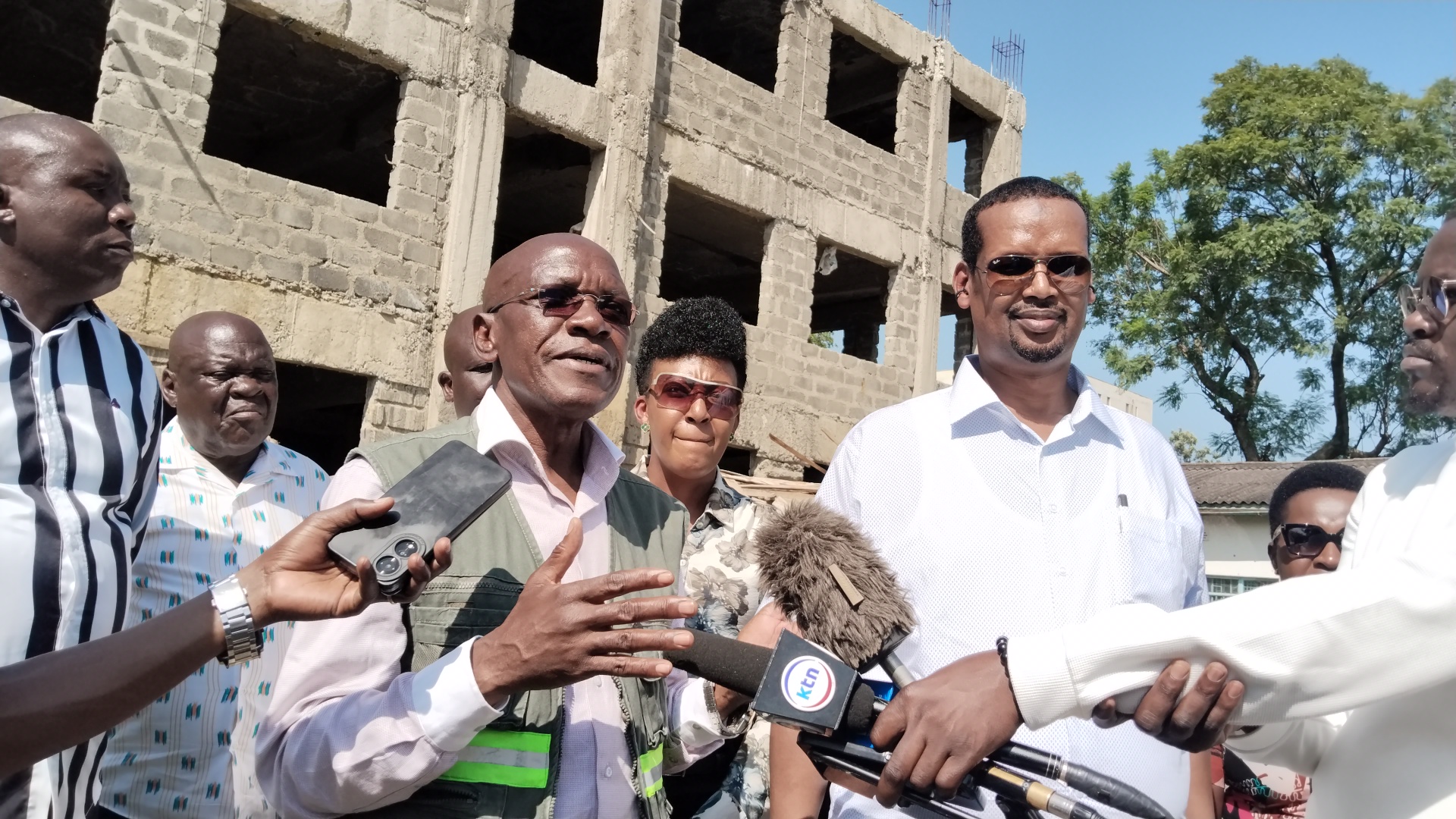
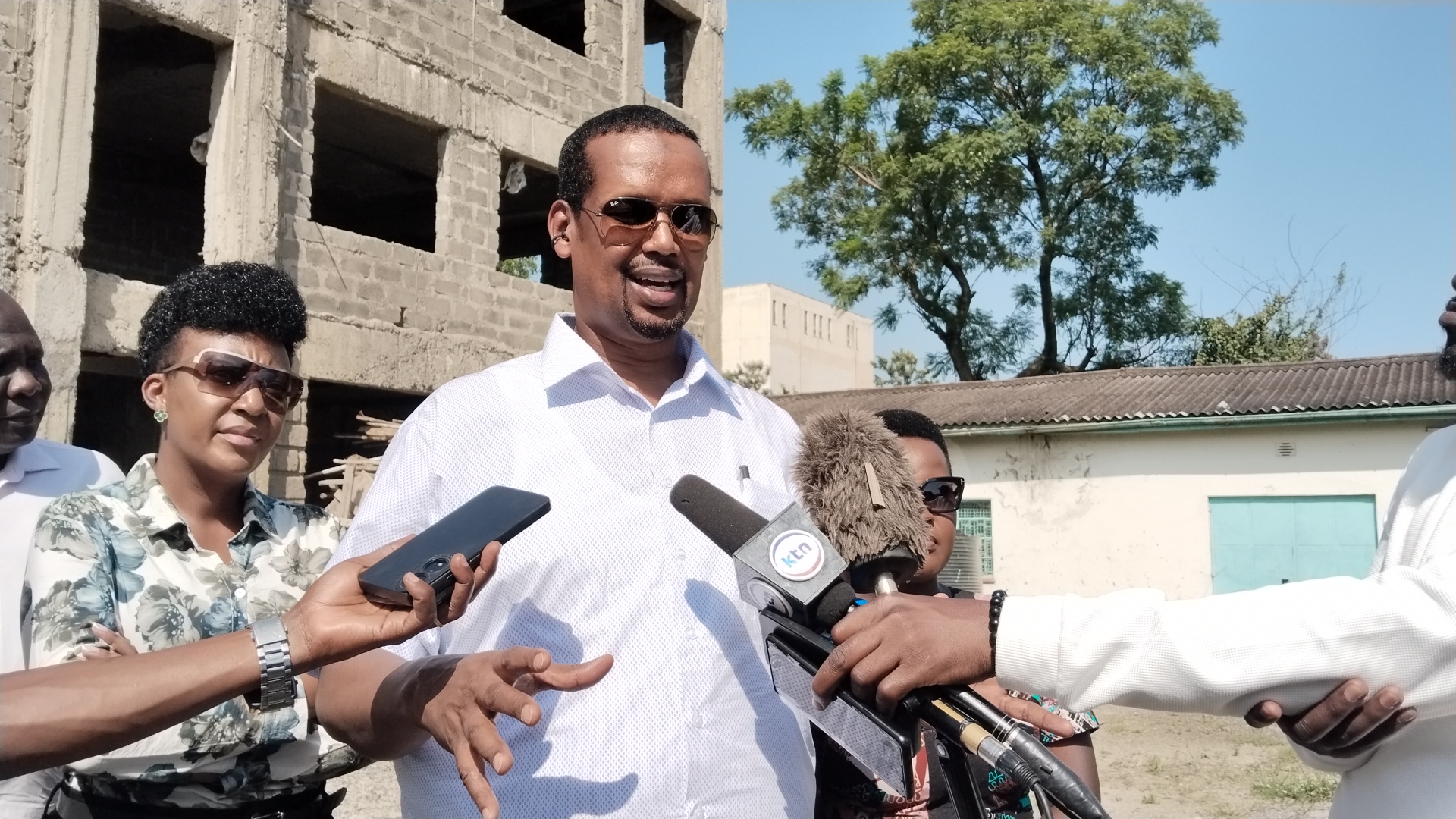
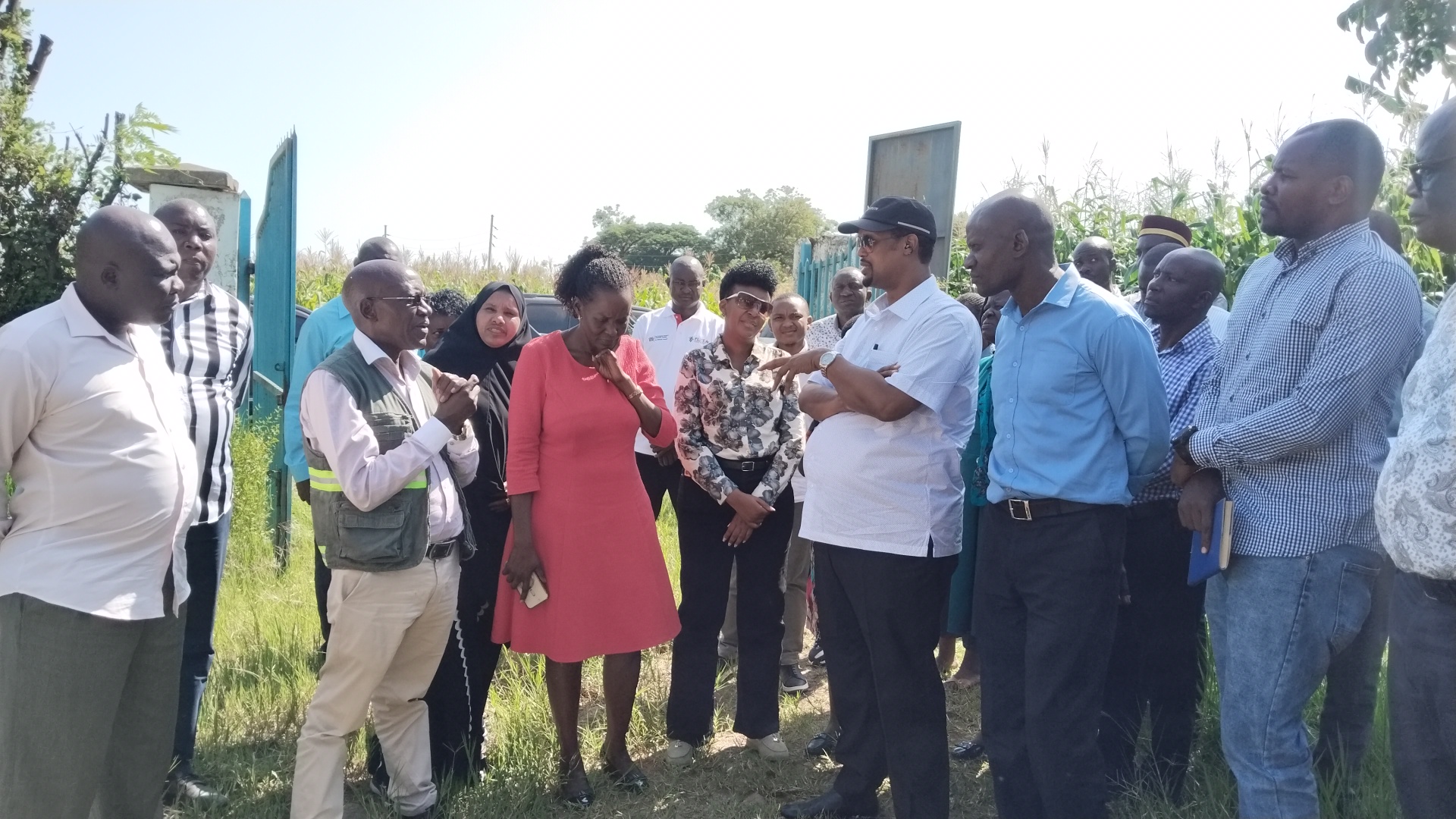
Members of the Senate Standing Committee on Finance and Budget made the observations during an inspection of several FLLOCA-funded projects in Kisumu County estimated to cost about Sh300 million.
The legislators noted that the drainage infrastructure, which was designed to improve flood management in Ahero and strengthen climate resilience, was instead directing raw sewage into the river, creating what they described as a serious environmental and public health risk.
The Ahero drainage project is among several initiatives being implemented through the FLLoCA programme, which supports counties in undertaking locally driven projects.
The initiatives are aimed at addressing climate change and enhancing community resilience.
During a site visit, senators expressed concern that the project appeared to be undermining its intended environmental objectives.
Kakamega Senator Boni Khalwale said the committee found a stone-lined drainage tunnel carrying untreated sewage directly into River Nyando.
"We have witnessed a project that was meant to control flood waters, yet the drainage channel is releasing raw sewage into River Nyando. This is both an environmental and public health concern,” Khalwale said.
He termed the situation a contradiction of the goals of the FLLoCA programme and urged the Kisumu county government to take immediate corrective action.
"The county administration must urgently address this matter and ensure untreated sewage does not find its way into fresh water sources,” he said.
Khalwale warned that continued pollution of the river could expose nearby communities to disease outbreaks while also affecting aquatic ecosystems and economic activities that depend on River Nyando and Lake Victoria, where the river empties.
Committee chairperson Ali Ibrahim Roba said the inspection focused on evaluating the effectiveness of the projects, their suitability to community needs and the extent of local ownership.
"Our role is to establish whether the projects have been implemented as intended, whether they provide value for money and whether local communities identify with them,” Roba said.
He explained that the committee selected a sample of projects for inspection because of the large number of initiatives being undertaken under the programme.
Roba said the Senate remains committed to ensuring resources allocated to county governments are used efficiently and for their intended purpose.
"We have a responsibility to safeguard devolution by supporting adequate resource allocation while also exercising oversight to ensure accountability,” he said.
The committee further revealed that several issues relating to project design and implementation had emerged during the inspections.
However, members said they would review additional documents requested from the county government before making final conclusions.
A comprehensive report containing the committee’s findings and recommendations will be tabled before the Senate after the review process is completed.