TVET enrolment has risen to 850,000 from about 300,000 in 2022,
with more than 500,000 new students joining the system. The number of
institutions has grown from 238 to 245, with 17 more under construction.
National polytechnics have increased from 10 to 33, while trainers have risen
from 6,500 to 10,000.
In an interview with the Star at Jogoo House, the
CS outlined reforms spanning the Competency-Based Education framework,
university funding and digital learning. He highlighted improved capitation
timelines and expanded infrastructure. Excerpts.
How has the rollout of the new university funding model improved
access to higher education for needy students?
The Student-Centred Funding Model marks a shift from
institution-based financing to a needs-based approach anchored on equity.
Through targeted allocation, resources are directed to students with the
greatest need. The Means Testing Instrument enables data-driven decisions by
assessing socioeconomic backgrounds, improving fairness and efficiency.
Vulnerable students now receive higher scholarship support,
reducing financial barriers. The model has expanded access for academically
qualified but financially constrained learners and aligns with national goals
on equity, human capital development and inclusive growth.
What steps has the government taken to strengthen digital learning
and integrate technology in classrooms?
The government has expanded digital infrastructure, including
internet connectivity and devices, and deployed learning management systems
aligned to CBC.
Teacher capacity has been strengthened in digital pedagogy, while
systems such as the student financing portal enable online applications,
appeals and tracking. Digitalisation has improved transparency, efficiency and
accessibility.
How has the administration addressed challenges facing junior
secondary schools since the rollout of CBC?
Targeted interventions include recruitment and deployment of junior
secondary teachers, infrastructure development, provision of capitation and
learning materials, and continuous teacher retooling.
These measures have improved transition, reduced congestion and
strengthened competency-based learning delivery.
What improvements have been made in TVET institutions under the
current government?
Reforms include expanded infrastructure and enrolment capacity,
subsidised tuition under the funding model, increased scholarships and loans
aligned to need and stronger industry linkages.
These changes have improved affordability, relevance and
attractiveness of TVET pathways.
How is the government ensuring equity in education access for
learners in arid and semi-arid regions and informal settlements?
Equity is addressed through poverty and marginalisation indicators
in funding allocation, affirmative action for vulnerable groups, targeted
infrastructure and school feeding programmes and expanded bursaries.
This ensures geographic and socioeconomic disadvantages are
factored into policy decisions.
How has the new university funding model improved affordability
for low-income students?
Tuition is now structured and predictable, with a minimum of
Sh5,814 and a cap of Sh75,000 per semester. Household contributions are capped
at Sh150,000 annually.
Scholarships can cover up to 55 per cent of tuition, with some
households contributing as little as 10 per cent. Upkeep support of
Sh40,000-Sh60,000 annually further reduces the burden.
By integrating scholarships, loans and upkeep into one system, the
model lowers out-of-pocket costs.
To what extent has the administration reduced the financial burden
compared to the previous loan-based system?
The model shifts emphasis towards scholarships, reducing reliance
on loans. A progressive cost-sharing formula increases government support with
need, while capped household contributions prevent excessive strain. This
creates a more equitable and sustainable financing structure.
How has the government expanded access to Helb loans and
bursaries?
Helb has been integrated into a unified framework with
Universities Fund and TVET financing. Eligibility has expanded through
data-driven assessments, while digitalised applications and appeals have
improved access and transparency.
What impact has the revised funding framework had on student
retention?
Feedback indicates improved retention and reduced dropouts due to
better alignment between support and need. Predictability and transparency have
increased confidence in the system.
How is the government addressing concerns about delayed funding
disbursements?
Measures include improved data coordination, enhanced digital
disbursement systems, better budget planning and engagement with universities
to ensure predictability and accountability.
What safeguards ensure no qualified student is locked out due to
fees?
The model guarantees needs-based support, high scholarship
coverage for vulnerable students, capped household contributions and appeals
processes to correct misclassification.
What key reforms have been introduced under CBC?
The shift to Competency-Based Education expands focus to the full
learning ecosystem. Learners now follow pathways in STEM, Social Sciences, or
Arts and Sports.
Assessment has moved from exam-based grading to competency-based
evaluation using qualitative descriptors.
How has funding for basic education changed?
Funding has increased from Sh500 billion to Sh700 billion, with
projections of Sh1 trillion. Capitation was disbursed before school opening for
the first time in 30 years, improving access, procurement and infrastructure.
What progress has been made in teacher recruitment?
More than 100,000 teachers have been hired since 2022, improving
the teacher-student ratio to 1:26, close to the Unesco benchmark. Additional
teachers have been retrained for CBE delivery.
How has infrastructure improved in public schools?
More than 23,000 classrooms have been built, creating 1.1 million
spaces. A Sh5 billion World Bank-supported project is constructing 1,600
laboratories to strengthen STEM learning.
What measures support access to
secondary and university education?
Programmes include Elimu Scholarships, the Kenya Pipeline Company Inuka
Scholarship for learners with disabilities, and NG-CDF bursaries. These ensure
wider access and 100 per cent transition.
What steps have been taken to strengthen digital learning further?
The Last Mile Connectivity Project is linking more than 1,000
schools to high-speed internet.
More than one million devices have been distributed under the
Digital Literacy Programme. The National Digital Masterplan supports fibre
expansion, while virtual labs address equipment shortages.
More than 100,000 teachers have been trained in blended learning,
and the Kenya Institute of Curriculum Development has digitised CBC content via
the Kenya Education Cloud.
Online safety modules and the Kenya Education Management
Information System (Kemis) enhance data integration and learner tracking.
How has the administration addressed junior school challenges?
The government ensured 1.5 million spaces for 1.1 million
learners. The Teachers Service Commission recruited 16,000 interns and 4,000
permanent teachers, while 20,000 were confirmed on permanent terms.
At least 11,000 classrooms were built to support transition, and a
new grant system supports operational costs.
A digital Kemis portal allows pathway selection, while continuous
assessment reduces exam pressure. Textbook provision has been expanded to
maintain a 1:1 ratio, including distribution for Grade 10.





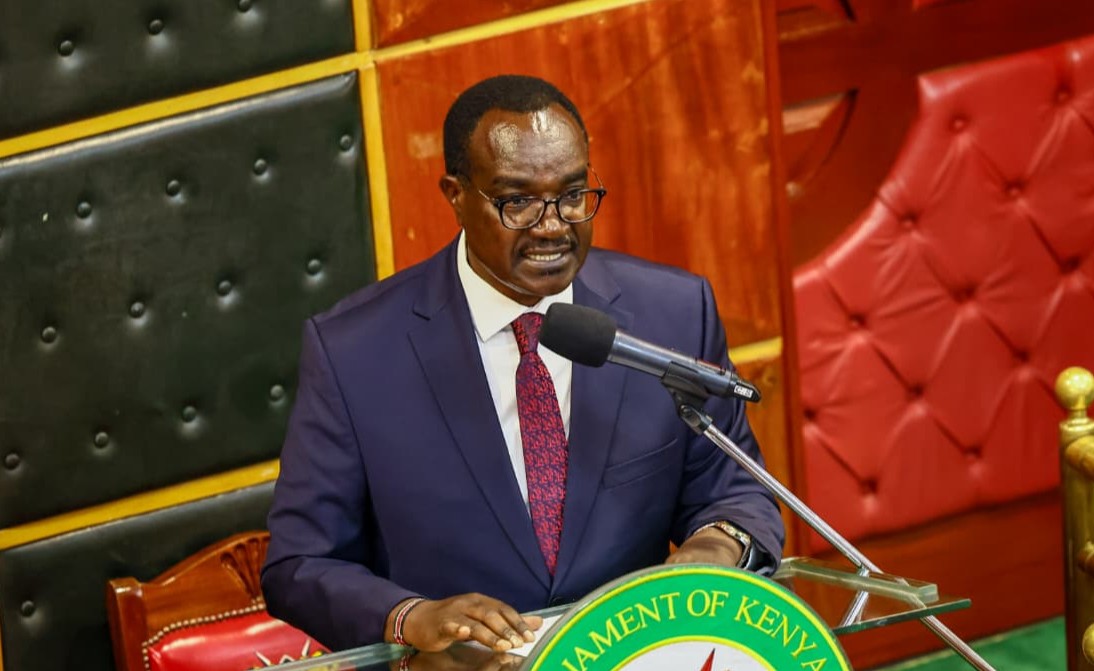
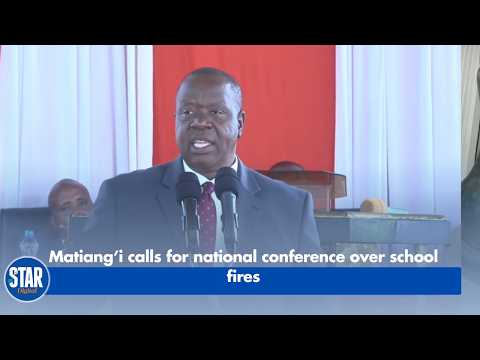
 Education Cabinet Secretary Julius Ogamba during a past event/FILE