EXPLAINER: Understanding air pollution and its risks
Every breath we take carries tiny particles and gases that can harm the lungs, heart, and brain
6mon agoPERPETUA ETYANGClimate Change
“Household air pollution also contributes to ambient air pollution and significantly to global warming."


Audio By Vocalize
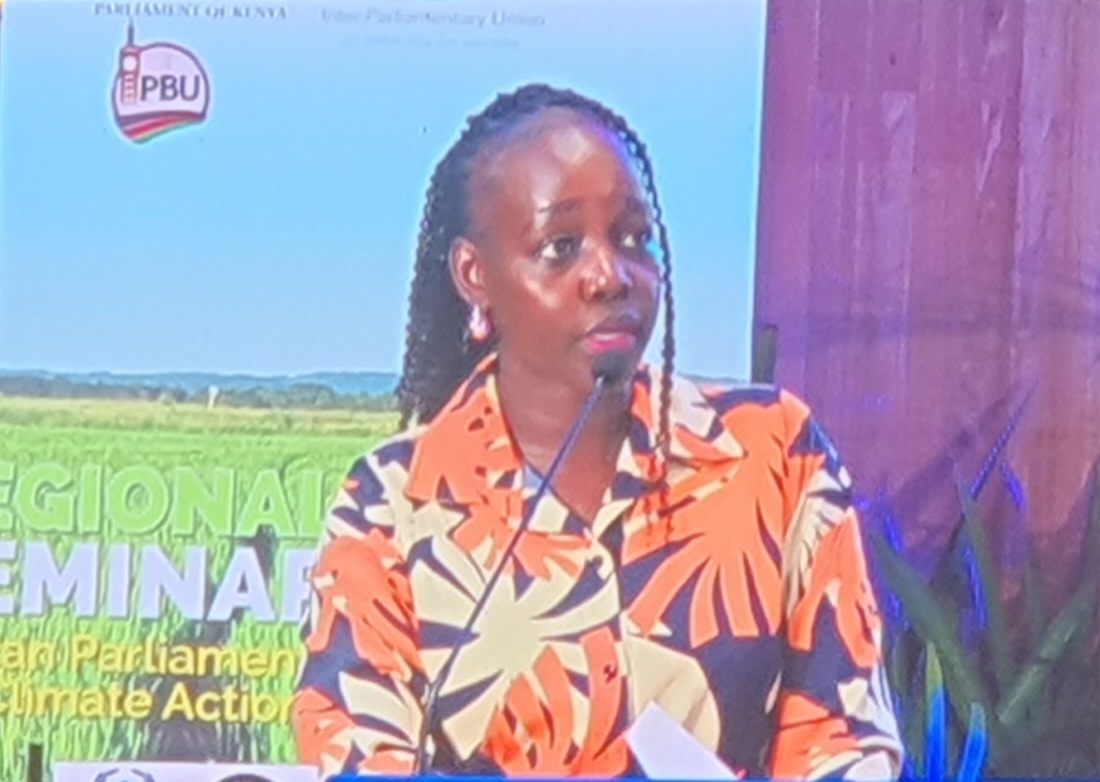
A public health researcher with the Kenya Medical Research Institute (KEMRI) has painted a bleak picture of the magnitude of deaths resulting from air pollution.
KEMRI research scientist and data analyst Willah Nabukwangwa said Kenya loses around 27,000 lives each year to household air pollution.
“Household air pollution also contributes to ambient air pollution and significantly to global warming, climate change issues, and issues around the zone,” she said.
Nabukwangwa was speaking on Saturday at the Ole Sereni Hotel in Nairobi during a seminar on methane emissions.
She was among the panellists in a session that sought to examine how decentralised energy systems can serve as a pathway for methane reduction and climate action.
The regional seminar aimed at building the capacity of lawmakers to address methane was held under the theme “Africa climate action: Reducing methane, promoting development”.
The two-day event was organised by the Parliament of Kenya and the Inter-Parliamentary Union, in cooperation with Climate Parliament, the Climate Vulnerable Forum of the United Nations Environment Programme, the Climate and Clean Air Coalition, the International Livestock Research Institute, the World Agroforestry Centre and the Stockholm Environment Institute.
Nabukwangwa said air pollution has various health effects.
“In terms of health effects, we think about respiratory illnesses, cardiovascular diseases, stroke, lung cancer, issues around mental health, cognitive performance among learners, and it is not just adults who are affected.”
She said children are also affected. “Children, even the unborn, are affected,” she said.
“When you breathe that polluted air, it goes through the nose, down the trachea, into the bronchial tubes and alveoli, into the capillaries, and it affects all the vital organs of the body.”
She added: “It is a silent pandemic, and the reason it is called a silent pandemic is because you really cannot clearly attribute specific health issues to household air pollution.”
Nabukwangwa said nearly one billion people in Africa currently rely on biomass fuel, including charcoal, firewood and crop residues, for daily cooking needs.
“So, the combustion of such fuels, as other panellists have also noted, results in household air pollution, which consists of a number of gases, methane included, PM2.5, carbon monoxide, among others.”
She said women, especially pregnant women, individuals with compromised immunity, older adults and those in low-income communities are the most affected.
“That is why we call it a silent killer, and people continuously, or unknowingly, continue to use these polluting fuels for cooking. So, it is our role, and the role of delegates in the room, to think about capacity building, advocacy and budgetary allocation for clean energy, especially for those living in arid and semi-arid areas, or those with very low incomes,” she said.
Director of Renewable Energy at the State Department for Energy, Esther Wangombe, said 92 per cent of Kenya’s electricity is generated from renewable energy sources.
“However, 69 per cent of households in Kenya use biomass energy for cooking. Energy impacts all of us; wherever you are, energy is part of your life,” Wangombe said.
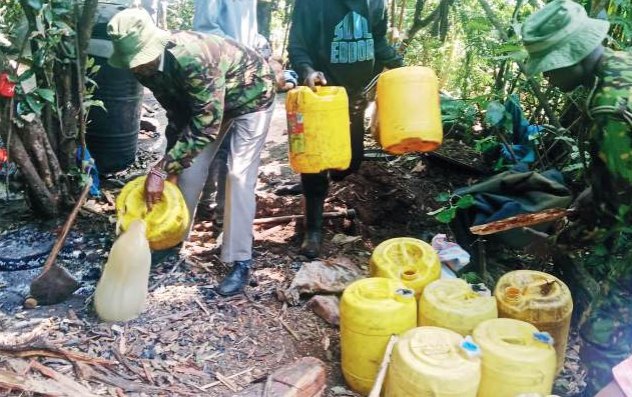
Wangombe said incomplete burning of wood fuel, charcoal and agricultural waste generates methane gas.
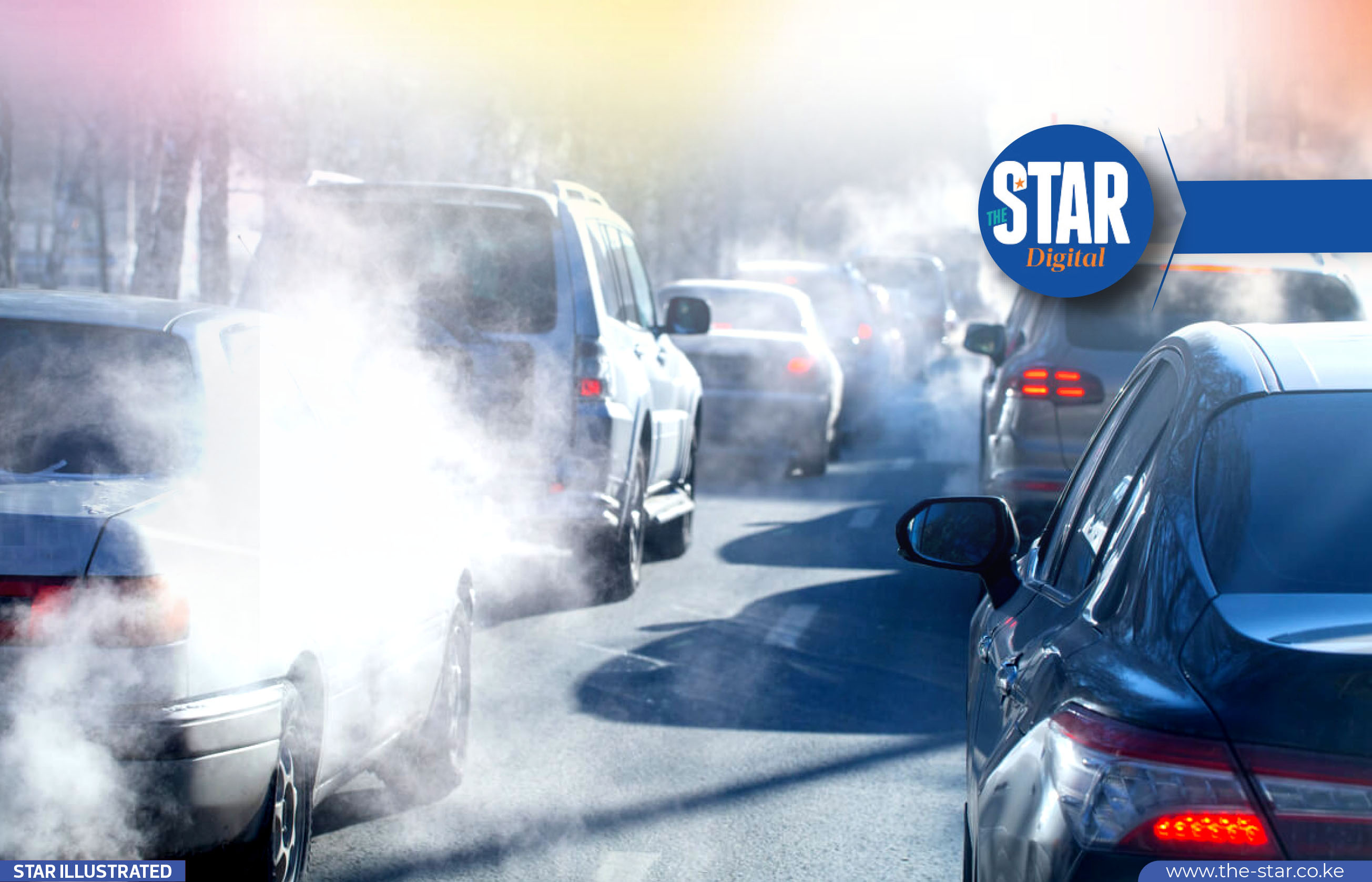
“Another source of methane within the energy sector is the transport industry. When you use a vehicle whose engine does not burn completely, that is, incomplete combustion of fossil fuel, it also emits methane into the atmosphere.”
She said the energy sector views methane as a promising source of renewable energy through capture and utilisation.
“We do this through biogas plants. We capture that which comes from livestock, not the small gas from the incomplete burning of biomass energy.”
Wangombe said the government has been promoting domestic and institutional biogas plants in the country.
She said captured biogas is used for clean cooking, helping to protect forests.
“When you use biogas to cook, it means indoor air quality in the kitchen improves, so there is less household air pollution,” she said.
Wangombe said the energy sector is also promoting electric mobility in the country.
“We have been tasked to increase infrastructure for charging electric vehicles. We are also promoting green hydrogen projects.”
She said the country has policies in place, including the Kenya National Energy Compact and the National Energy Policy, among others.
She said efforts are focused on scaling up biogas digesters in rural communities. The limited technical capacity in rural areas remains a challenge in biogas digester technology.
Every breath we take carries tiny particles and gases that can harm the lungs, heart, and brain

Children are more vulnerable to harmful pollutants.