
A recent Tifa report on the most popular political parties in Kenya
24d agoadminvideo
Several constituencies in Nyeri, Murang’a, Kiambu and Kirinyaga are already witnessing silent battles

Audio By Vocalize
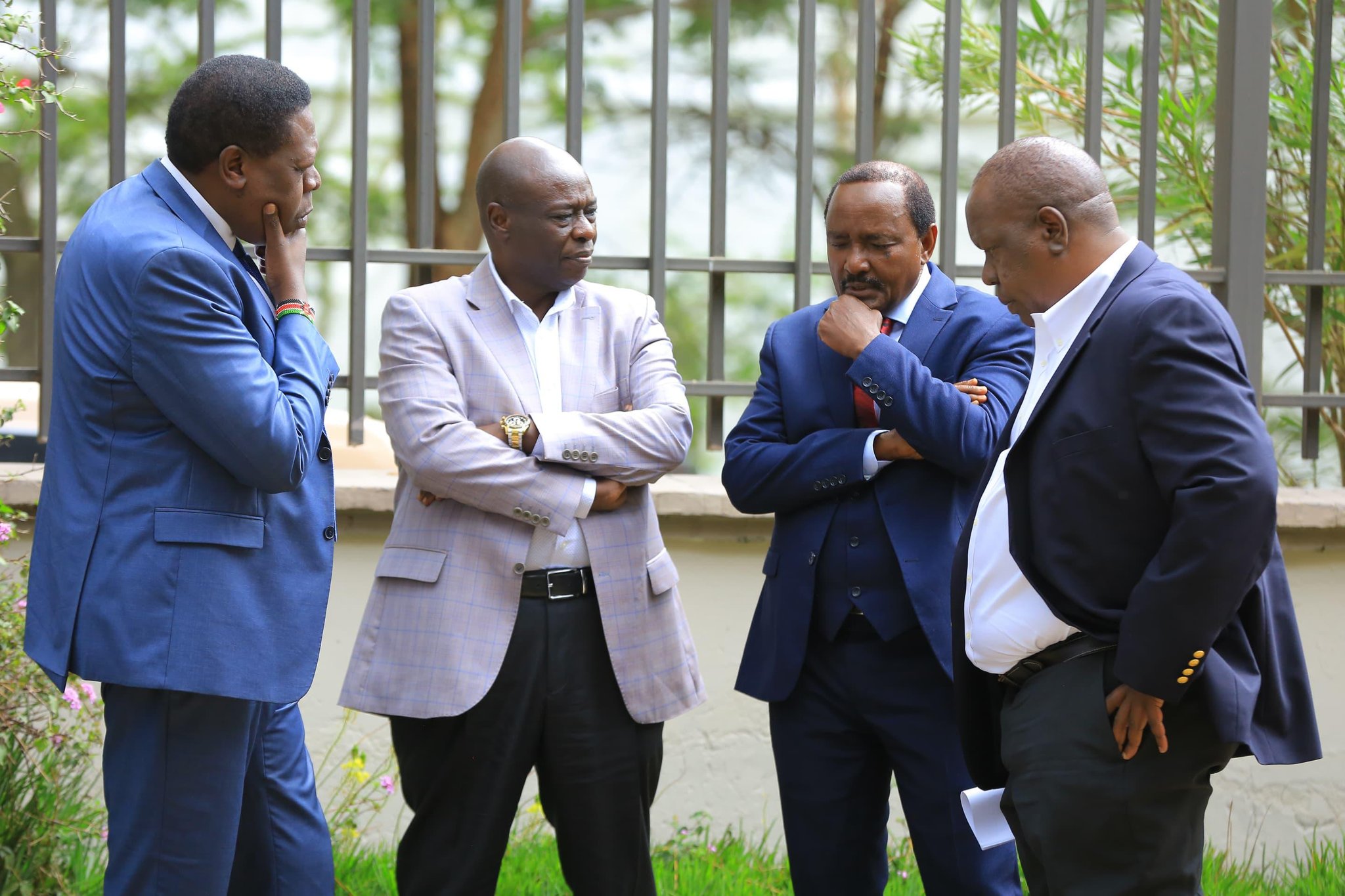
Political parties are facing a tough balancing act in accommodating the interests of sitting leaders and long-serving loyalists against those of influential newcomers and defectors seeking tickets.
From President William Ruto’s United Democratic Alliance to former Deputy President Rigathi Gachagua’s Democracy for Citizens Party, Kalonzo Musyoka’s Wiper and the Jubilee Party, party bosses are publicly promising free and fair nominations, while privately grappling with how to avoid a bruising fallout from competitive primaries.
The
challenge is becoming even more complicated as coalition talks and zoning
arrangements begin taking shape ahead of the elections just over a year from
now.
Already,
several parliamentary, senatorial and gubernatorial contests are emerging as
political battlegrounds pitting incumbents against ambitious new entrants.
For the new
entrant DCP party, for instance, party leader Rigathi Gachagua has declared
that his outfit will ensure free and fair primaries and hand tickets to the
popular deserving candidates. He has added that not even his foot soldiers will
get preferential treatment.
However,
Gachagua has already declared former Agriculture CS Mithika Linturi as the
party candidate for Meru governor. He has also announced Kirinyaga Senator
Kamau Murango as his governor candidate.
In Mombasa,
Gachagua also declared Mohammed Ali as his preferred candidate for governor
before a compromise with Wiper.
Several
constituencies in Nyeri, Murang’a, Kiambu and Kirinyaga are already witnessing
silent battles between established politicians loyal to Gachagua and younger
aspirants seeking to capitalise on the anti-Ruto wave in the region.
In
Nyandarua, despite former MCA Kieru Wambui officially declaring his intention
to contest for the Nyandarua Senate seat, the slot is, for all intents and
purposes, reserved for the incumbent and new party secretary general-designate
John Methu.
This is
also playing out in Naivasha, Murang’a, Laikipia and Kiambu Senate slots, and
MP slots for Gachagua’s allies.
Former
Nyeri Town MP Ngunjiri Wambugu has warned that aspirants risk being sidelined
regardless of their grassroots influence.
Ngunjiri,
who is also a former aide of Gachagua, has argued that internal party dynamics
could override local political effort.
“My free
advice to those there, Gachagua is in business. Unless your personal political
brand is bigger than the party locally, he’ll sell off your ticket to the
highest bidder in 2027,” he said.
“Even if
you are the one who literally built the party at your mashinani [grassroots].”
Meanwhile
in Rift Valley counties, where UDA still enjoys dominance, new aspirants allied
to the President are increasingly challenging sitting MPs accused by sections
of the party base of underperforming or drifting away from the party line.
The party
also faces pressure from youthful aspirants and professionals seeking to ride
on the Kenya Kwanza brand into Parliament, putting sitting legislators on edge.
In Nakuru,
Governor Susan Kihika is not only facing removal threats from the opposition
camp but also from UDA as Hillary Kipngeno and Joseph Rotich seek to replace
her on a UDA ticket.
In Wiper,
Kalonzo will be struggling to balance the ambitions of Mavoko MP Patrick Makau
and those of incumbent Wavinya Ndeti, who is serving her first term.
Makau has
called for a free and fair nominations without the interference of the party
leader and opposition principals.
The
situation could worsen if the opposition settles on zoning arrangements to
avoid splitting votes in key regions.
Under such
a formula, some parties may be forced to forgo contests in certain counties or
constituencies in favour of coalition partners, potentially locking out
aspirants who have invested heavily on the ground.
Jubilee
Party, despite its reduced national influence, is also dealing with pressure
from former loyalists seeking a political comeback, while new entrants push for
control of the party machinery in parts of Central Kenya and Nairobi.
The case is scheduled for hearing on June 9, 2026.