

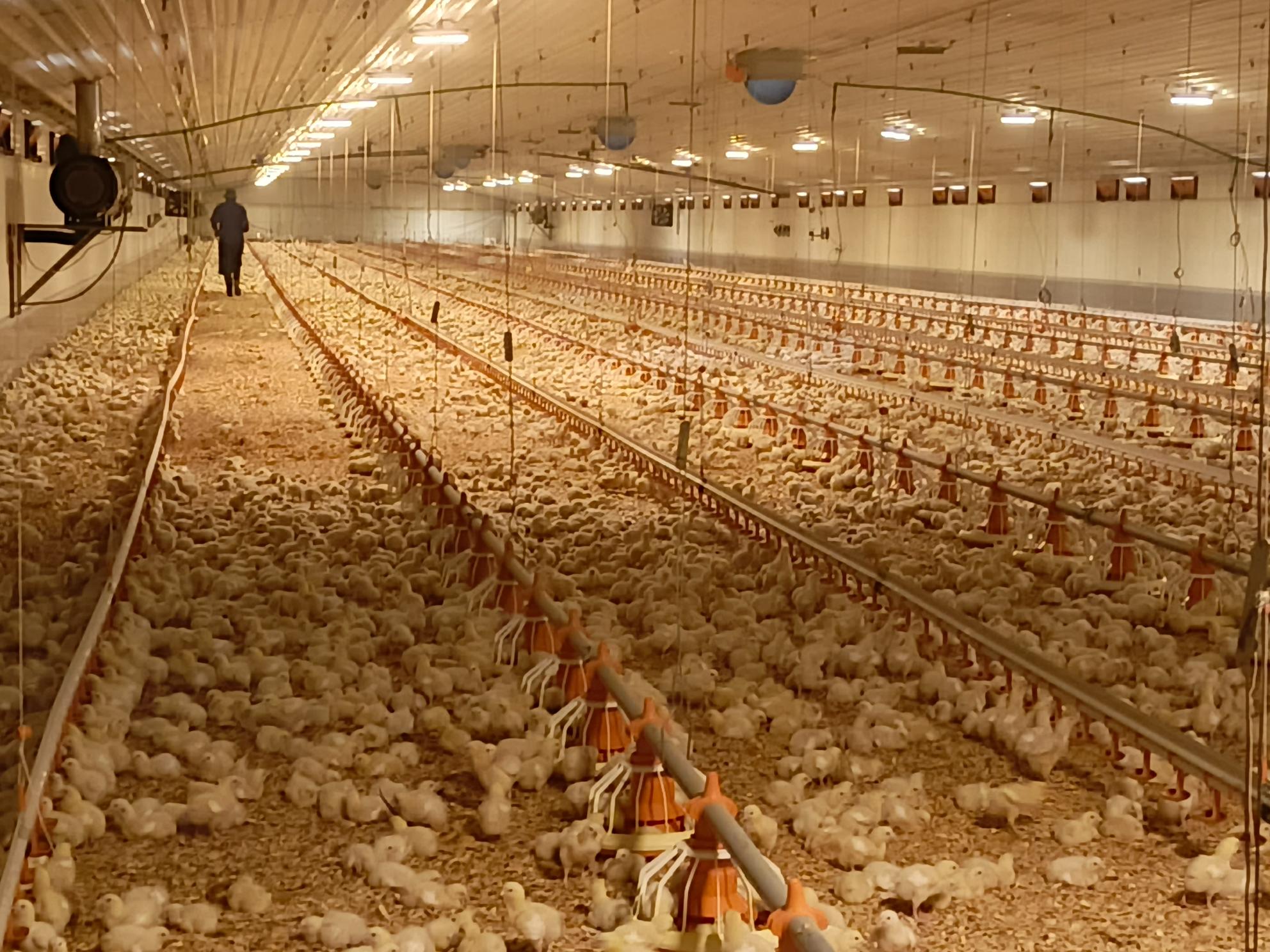
 Broiler farm at Kenchic's Kakuzi North./AGATHA NGOTHO.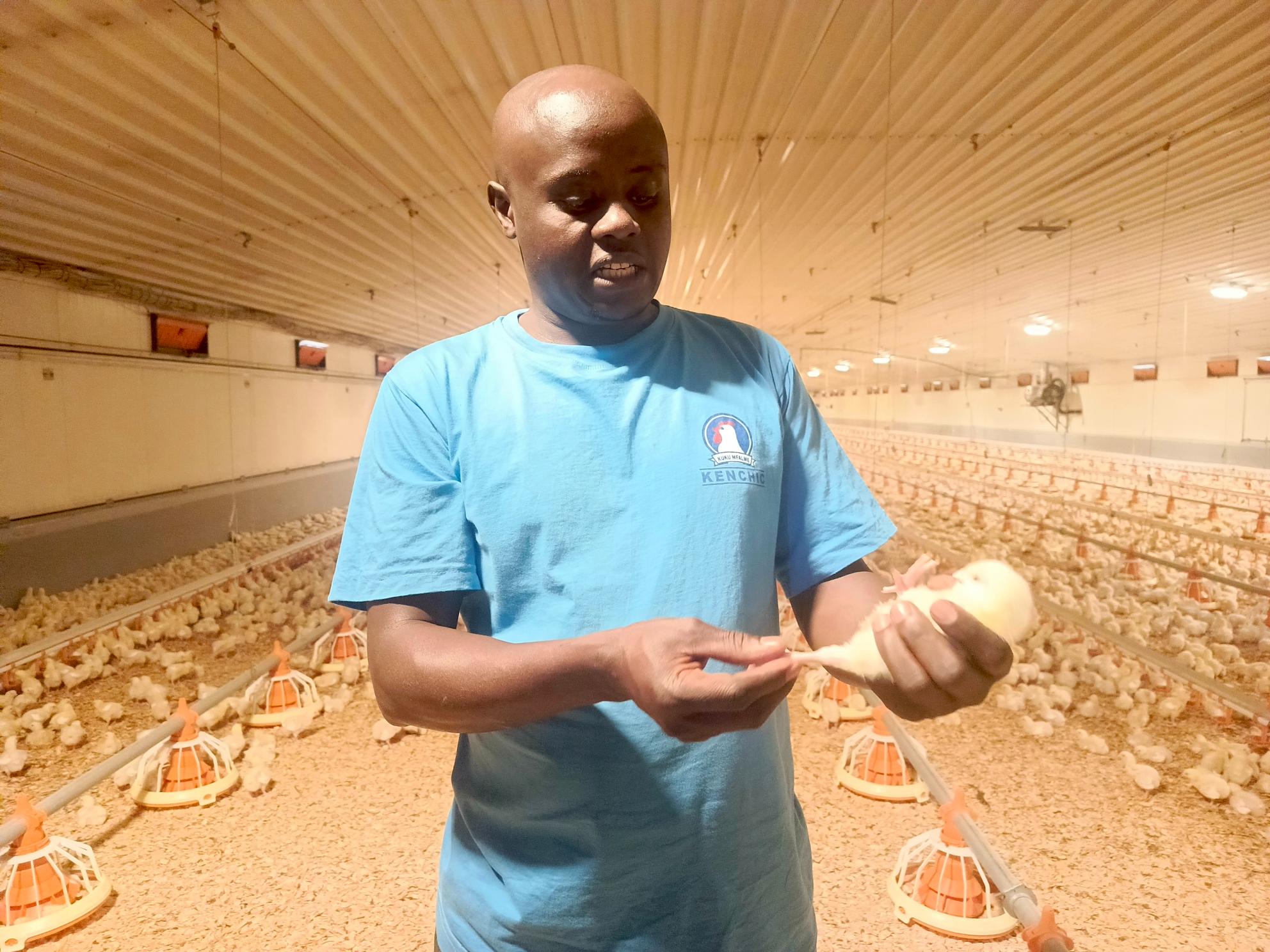
Duncan Kamiti, Kenchic’s Broiler Production Manager, who is also an animal breeder explains how a typical broiler cycle works./AGATHA NGOTHO
As Kenya joins the global community in marking World
Antimicrobial Resistance (AMR) Awareness Week, poultry producer Kenchic is
warning that poor on-farm hygiene, weak biosecurity and unregulated chick
suppliers are driving high antibiotic use among smallholder farmers.
This according to an animal breeder is putting consumers and
the industry at risk.
During a media tour of the company’s Kakuzi North broiler
farm, Kenchic officials pointed out the strict preventive systems the company
uses to curb infections without relying on routine antibiotics and urged
farmers to return to the basics.
Kenchic’s Broiler production manager Duncan Kamiti said many
poultry farmers continue to overlook basic management practices, leading to
disease outbreaks and unnecessary antibiotic use.
Kamiti, an animal breeder who oversees broiler production
farms, said a typical broiler cycle takes about 34–35 days of growing and 10
days of downtime before the next batch of chicks is placed.
Lilian Kamau, a poultry farmer from Muchatha in Kiambu county
with over six years’ experience, said many farmers resort to antibiotics
because they panic when their birds show signs of illness.
“Most of us lack proper training, so farmers often
self-prescribe antibiotics instead of calling a vet, hoping to stop the problem
before it gets worse,” she said.
Kamiti urged farmers to prioritise hygiene, strong
biosecurity measures and sourcing day-old chicks only from reputable
hatcheries. “At the moment we have a lot of sellers, but we cannot trace the
chick source, and we are not guaranteed of quality,” he said. “That is where
most farmers start getting it wrong.”
Kamiti explained that Kenchic’s system is fully integrated,
breeding parents, producing fertile eggs, hatching and supplying day-old
chicks. At the hatchery, chicks are pre-vaccinated against common diseases such
as Newcastle and Gumboro, giving them a stronger start before they reach
production farms.
“To secure the health of our chicks, we have very robust
biosecurity,” he said. “Access to farms is tightly controlled, with visitors
screened for prior contact with birds, mandatory showers, PPE use, footbaths
and restrictions on vehicle movement. Feed is produced using Kenchic’s own
formulation and water quality is tested regularly,” he added.
Kamiti said many farmers assume broiler production simply
involves buying chicks and feeding them. “But there are basics, they include
biosecurity, traceability of your chicks, vaccination schedules, and proper
husbandry. Without these, farmers resort to antibiotics to solve management
problems,” he said.
He urged farmers to consult veterinary professionals at the
first sign of disease. “If you handle issues early with the right guidance, you
prevent outbreaks instead of treating them,” he said. Failure to do so, he
warned, results in mortality, higher medication costs, poor weight gain, and
losses at market. It also increases the risk of antibiotic residues entering
the food chain.
Kenchic targets an average live weight of 1.8kg at the farm
(1.75kg at processing), which allows the company to meet varied customer
demands, including fast-food outlets and supermarkets that require specific
sizes.
The company also works with about 40 contracted growers who
follow strict standard operating procedures. Technical representatives support
the farmers from placement to harvest, ensuring consistent management and
biosecurity.
Addressing AMR, Kamiti said Kenchic stresses on preventive
health rather than reactive antibiotic use. Vaccination, clean water,
high-quality feed and controlled environments reduce disease pressure. When
antibiotics are necessary, only a veterinarian can prescribe them after
laboratory analysis. “Antibiotics are not bad, they must just be used
responsibly,” he said.
The animal breeder explained that common poultry diseases
driving antibiotic misuse include Newcastle disease, Gumboro, coccidiosis and
infectious bronchitis. Opportunistic bacteria such as E. coli quickly take
advantage when birds are stressed or poorly managed.
Kamiti’s advice to small-scale farmers during AMR Awareness Week was that good management, good hygiene, good biosecurity and sourcing quality chicks. “It all starts there,” he said.
He added that preventive measures protect both farmers’ margins and consumer safety. “Work on prevention, not reaction. Responsible farming ensures healthy birds and safe chicken for the market.”