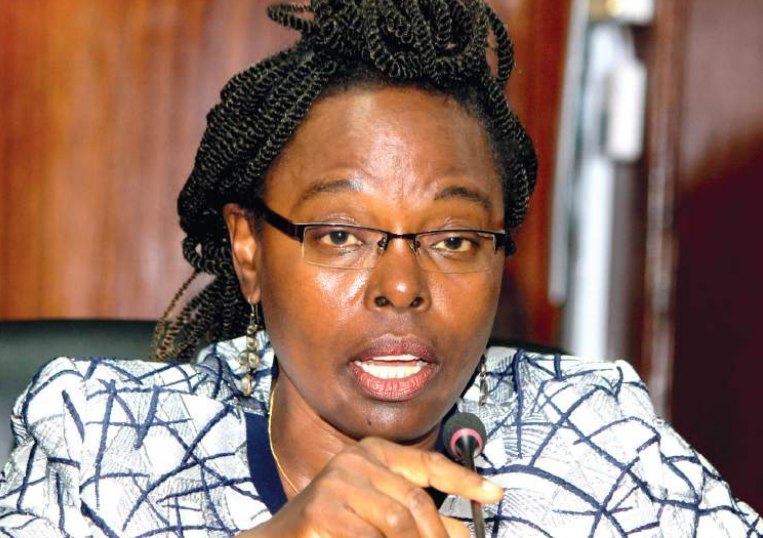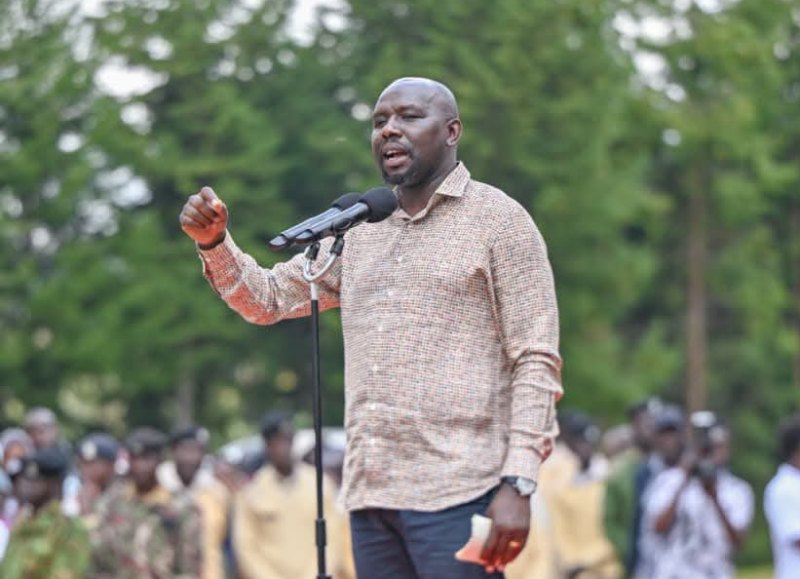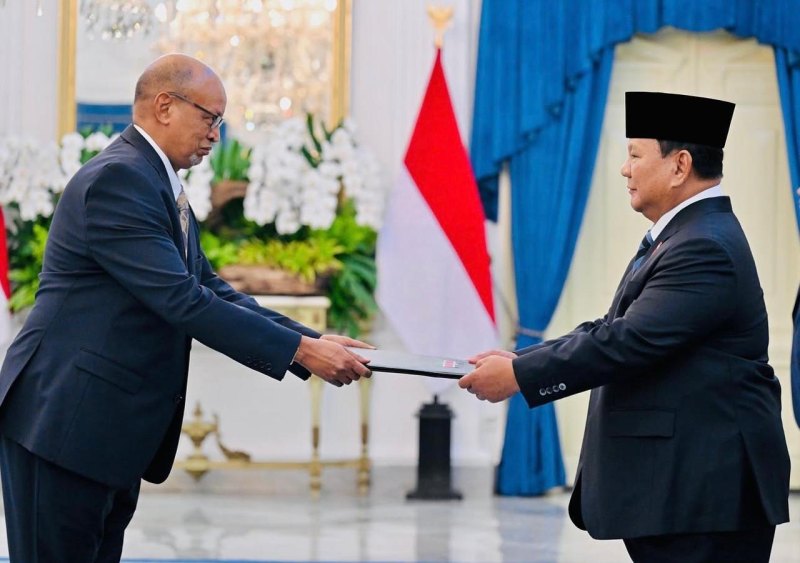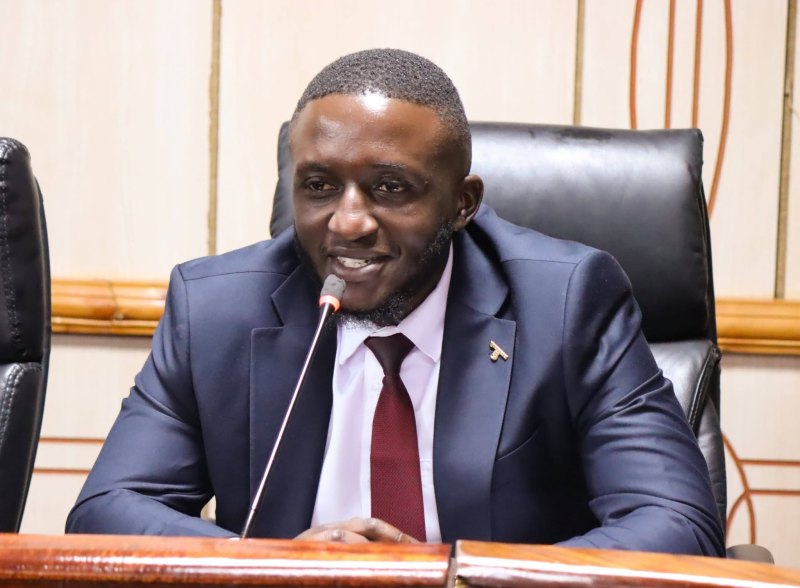


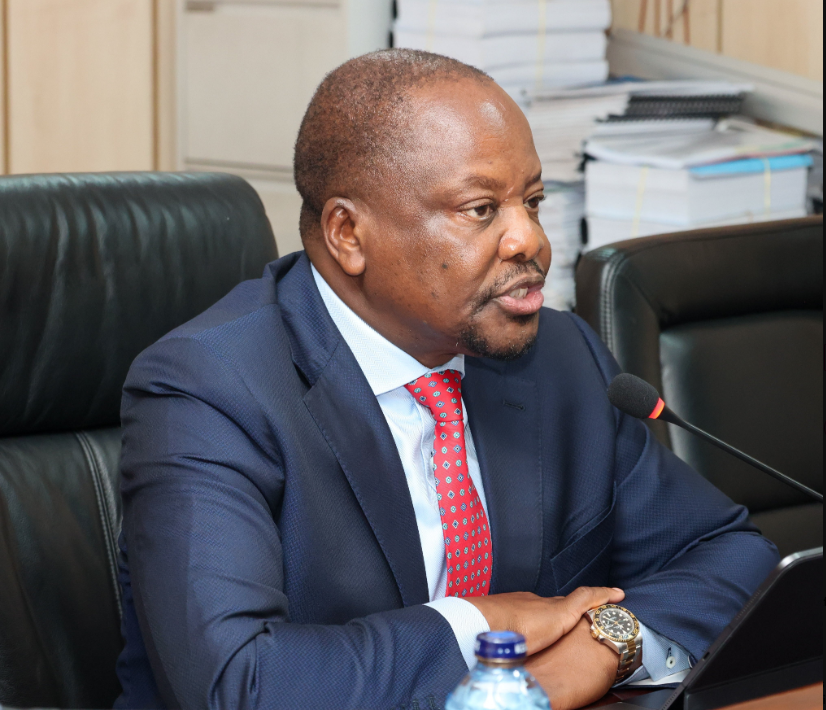
 Agriculture and Livestock Development Cabinet Secretary Mutahi Kagwe/HANDOUT
Kenya has called for stronger collaboration between African
and Asian countries to address growing rural development challenges, including
food insecurity, climate change, unemployment, and limited access to
technology.
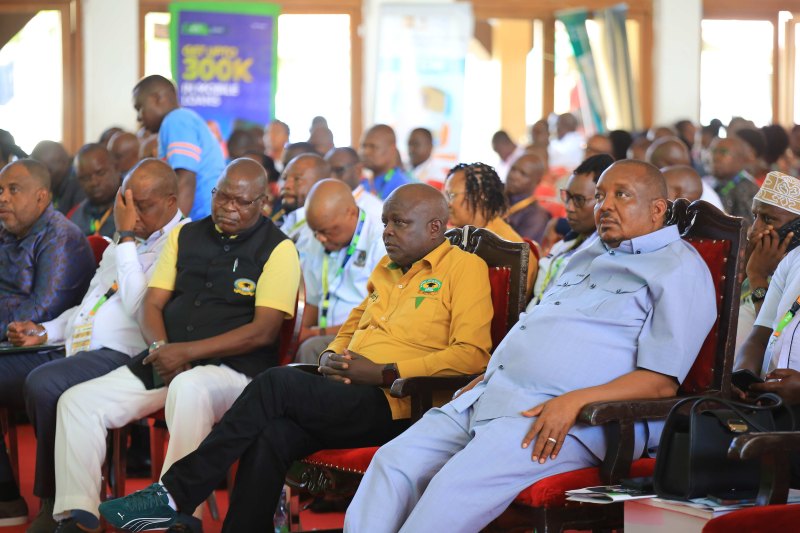
Speaking during the inaugural session of the 79th Executive Committee Meeting of the African-Asian Rural Development Organisation in Nairobi, Agriculture and Livestock Development Cabinet Secretary Mutahi Kagwe said partnerships and knowledge sharing remain critical in transforming rural communities across the two continents.
Kagwe has urged African and Asian countries to strengthen
cooperation in addressing the growing challenges facing rural communities.
He said the organisation has played a key role over the years in strengthening institutional capacity, enhancing human resource development, and promoting knowledge exchange in areas critical to rural development.
“As we convene here today, we are reminded that the challenges facing rural communities across Africa and Asia are complex, interconnected and intensifying with the current polycrisis,” he said. “Issues such as food insecurity, climate change, unemployment, limited access to healthcare, and technological disparities continue to affect millions of people. However, within these challenges lie immense opportunities for collaboration, innovation, and shared growth.”
Kagwe noted that AARDO provides member countries with a unique intergovernmental platform to harness their collective strengths through shared experiences, knowledge systems, and technological advancements.
He said the Kenyan government remains committed to promoting value addition, modernisation of agriculture, and the growth of small and medium enterprises through strategic partnerships. According to the CS, collaboration with AARDO member states can help facilitate the transfer of affordable and scalable technologies suited for rural communities.
“From precision agriculture and climate-smart farming to digital platforms, telemedicine, and industrial innovation, technology transfer can significantly enhance productivity, create employment, and accelerate inclusive growth,” he said.
Kagwe added that member countries can exchange innovative farming techniques, climate-resilient agricultural practices, and sustainable irrigation models through AARDO. He noted that promoting agribusiness, value addition, and market linkages could transform agriculture into a major driver of economic growth and food security.
“Rural transformation is central to inclusive development. AARDO’s initiatives in community development, capacity building, and rural infrastructure development provide valuable insights for member countries. By sharing successful models of rural governance, MSMEs, cooperatives, self-help groups, and livelihood diversification, we can uplift rural communities and support sustainable transformation,” he said.
Agriculture Secretary Peter Owoko, who represented the CS at the meeting, said Kenya highly values its long-standing partnership with AARDO, which has contributed significantly to strengthening the country’s agricultural sector through technical cooperation, capacity building, and knowledge exchange.
Since joining the organisation in 1964, Kenya has maintained what Owoko described as a strong and mutually beneficial relationship with AARDO, reflecting the country’s commitment to South-South cooperation and rural transformation.
Kenya hosted the second general session of the AARDO conference in 1966 and later held the presidency of the organisation between 1966 and 1968. The country has also served on the Executive Committee several times, beginning with the inaugural committee in 1964–1965. Most recently, Kenya was elected by consensus to the 20th Executive Committee in 2021 and unanimously re-elected to the 21st Executive Committee for the 2025–2027 term.
“Our participation in AARDO programmes has continued to yield significant benefits. Between 2015 and 2025, a total of 183 Kenyans participated in AARDO training programmes, both online and in person. In the last four years alone, ten Kenyan officials received long-term scholarships for postgraduate studies in agricultural sciences, engineering, and related fields,” Owoko said.
He added that Kenya has benefited from development support initiatives, including assistance for community water projects, international study visits, and training programmes on smart agriculture, aquaculture, and agricultural cooperatives.
“These engagements have strengthened the capacity of our institutions and professionals while fostering valuable networks across member countries,” he said.
Owoko noted that Kenya has also shared its experiences in agricultural extension services, cooperative development, and community-driven approaches to rural transformation with other member states.
He said farmers are increasingly adopting climate-smart technologies such as certified seeds, drought-tolerant crops, irrigation systems, and sustainable land management practices, especially in arid and semi-arid areas. He added that digitization of agriculture through mobile-based platforms and digital extension services is helping connect farmers to markets, financial services, weather information, and advisory support.
According to Owoko, increased investments in agribusiness and agro-processing, supported through stronger public-private partnerships, have expanded employment opportunities and strengthened agricultural value chains.
“Improved institutional coordination has further enhanced food production, reduced post-harvest losses, and increased household incomes,” he said, while reaffirming Kenya’s commitment to sharing experiences, fostering innovation, and contributing to shared development goals.
Meanwhile, Rohit Kansal, secretary in India’s Ministry of Rural Development, said the Government of India continues to prioritize inclusive growth and rural transformation as key pillars for achieving sustainable development.
Kansal said India will continue supporting AARDO through capacity-building initiatives, technical cooperation, financial assistance, and knowledge exchange programmes aimed at advancing sustainable rural development across Africa and Asia.
“In order to further expand and strengthen AARDO’s Human Resource Development Programme, an additional contribution of US$750,000 has been made available by India for the three-year period 2025–2027,” he said.
He noted that the funds will support training programmes, workshops, seminars, scholarships, and study visits hosted at premier institutions.
Kansal further announced that the Government of India has initiated the renovation of the AARDO Secretariat with additional financial support amounting to US$500,000. He said the upgraded facility will provide a modern and collaborative working environment that reflects the shared commitment of member countries to institutional excellence and effective delivery of AARDO’s mandate.