


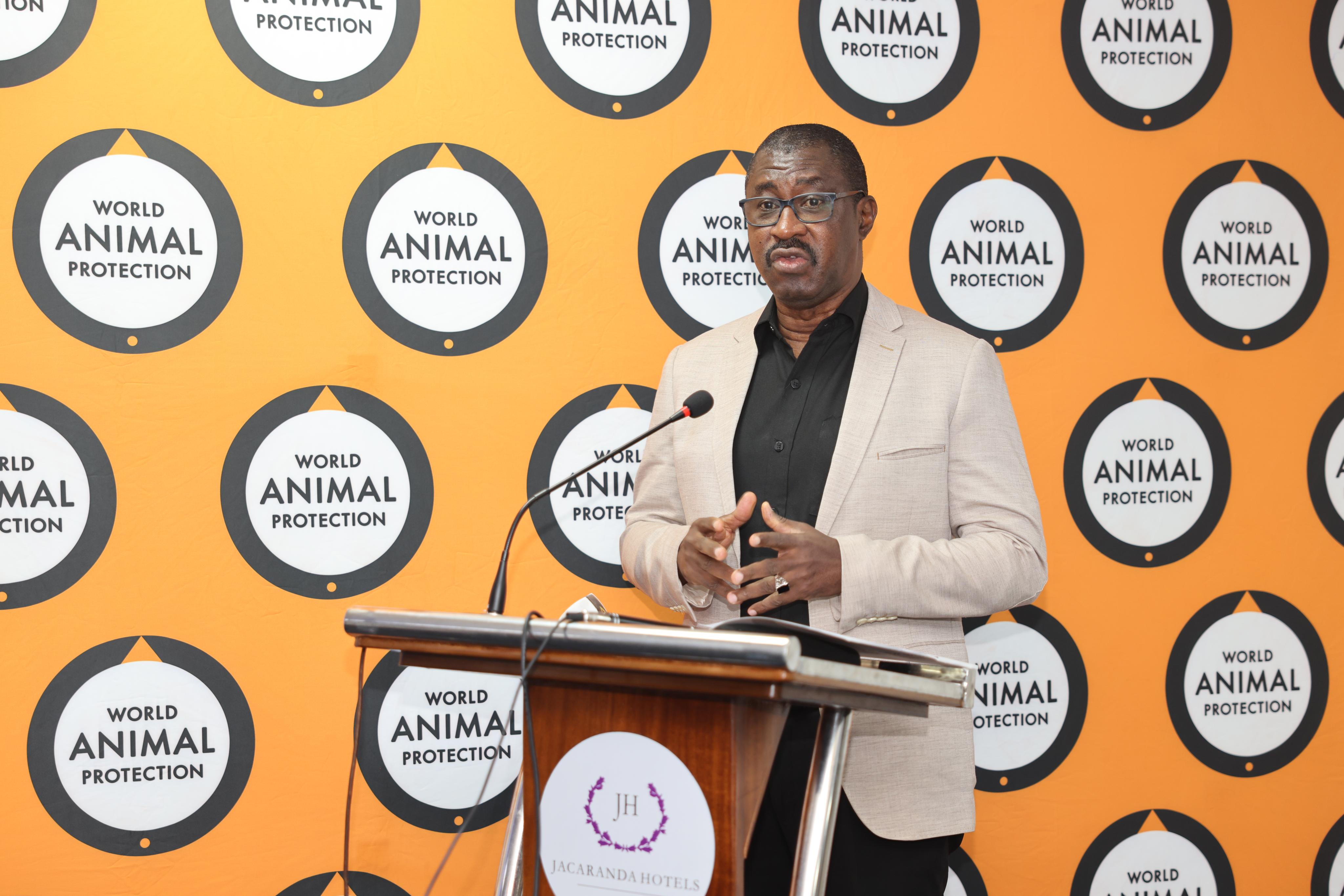
 World Animal Protection Africa Director Tennyson
Williams./HANDOUT.
World Animal Protection Africa Director Tennyson
Williams./HANDOUT. Kenya’s trade in captive-bred wildlife is rapidly expanding, with live reptile exports increasing more than tenfold over the past decade. This has raised fresh concerns over conservation, animal welfare, public health risks, and weak regulatory oversight.
A new peer-reviewed scientific paper analysing international wildlife trade data shows that more than 870,000 live animals listed under the Convention on International Trade in Endangered Species (CITES) and reported as captive-bred were exported from Kenya between 2013 and 2023.
Animals listed under the Convention on International Trade in Endangered Species (CITES) are protected wild species whose international trade is regulated to ensure their survival. Being "listed" means they are categorised into one of three Appendices based on their risk level, requiring strict permit systems for import, export, or sale.
According to World Animal Protection Africa Director Tennyson Williams, the term “captive-bred” does not automatically mean animals are raised without cruelty.
He said the debate should not only focus on whether wildlife trade is legal, but also on whether society is willing to accept the suffering of animals, public health dangers, and conservation costs linked to treating wild animals as commodities.
“Kenya’s decisions on wildlife trade have implications beyond economics, touching on animal welfare, public health, conservation, and biodiversity protection,” said Williams.
The study, co-authored by Dr Patrick Muinde, found that reptiles account for the vast majority of live wildlife trade records and nearly half of all live animals traded from Kenya.
Annual exports of live reptiles rose sharply from 8,551 animals in 2013 to 86,330 in 2023, highlighting a steep rise in commercial wildlife trade.
The findings show that Kenya is becoming an increasingly important supplier to global pet and luxury wildlife markets, with exports reaching at least 43 countries across Asia, Europe, North America, Africa, and South America.
However, the study also exposed major gaps in monitoring systems, risks to threatened species, and potential public health threats associated with wildlife trade.
“More than 77 per cent of traded species have declining or unknown wild population trends, raising concerns about sustainability even where animals are reported as captive-bred or ranched,” said Muinde.
He noted that seizure records show illegal trade in pancake tortoises continues despite the species already facing severe conservation pressure.
According to the report, 886 CITES export records involving 28 wildlife species were documented between 2013 and 2023.
Reptiles accounted for 81 per cent of export records, dominating the trade. More than 93 per cent of exports were commercial and largely destined for markets in North America, Europe, and Asia.
The report also revealed significant discrepancies between exporter- and importer-reported CITES data, pointing to weaknesses in monitoring and reporting systems. At least seven of the traded species are internationally threatened.
Muinde warned that Kenya is witnessing a rapid rise in wildlife exports, particularly reptiles, and described the trend as deeply concerning.
“Most of these exports involve live animals, making this far more than a question of numbers. It raises concerns about cruelty and sustainability. The trade in live wild animals also carries clear risks to public health and wellbeing,” he said.
“At its core, it reflects a system that treats sentient beings as commodities rather than living beings. It is time to move away from this model and recognise that wild animals deserve protection, not exploitation.”
According to World Animal Protection, the global wildlife trade is a multi-billion-dollar industry involving millions of animals every year. While captive breeding is often promoted as a sustainable alternative, growing evidence suggests it can conceal illegal sourcing, weaken conservation efforts, and increase the risk of zoonotic diseases.
The report noted that exports of leopard tortoises and several chameleon species each exceeded tens of thousands of animals over the 10 years. Exports of Nile crocodile skins also surpassed 80,000 between 2013 and 2023, likely representing a similar number of animals.
Kenya’s role as both a source and transit hub in international wildlife trade networks makes effective regulation and transparency increasingly important, especially as the country reviews its wildlife laws under the proposed Wildlife Conservation and Management Bill (2025).
The organisation recommended stronger regulation and traceability of captive breeding and ranching operations, routine animal welfare audits across wildlife trade supply chains, and enhanced biosecurity and disease surveillance measures.
It also called for targeted campaigns in importing countries to reduce demand for wild animals in the pet and luxury markets.