

 Sairin Lupia
For a long time, climate change felt like something discussed in conferences, government meetings, and international reports.
It was the language of experts, activists, and global institutions.
But slowly, almost quietly, it has entered the boardroom. And now, as Kenyan public companies move closer to mandatory sustainability and climate-related reporting, the question is no longer whether climate matters to business.
The question is whether our companies are ready to tell the truth about how climate and sustainability risks may affect their future.
This is where IFRS S1 and IFRS S2 come in.
For many Kenyans, those names may sound like another set of technical accounting terms meant for auditors, accountants, and corporate lawyers.
But beneath the difficult language is a simple idea: companies must begin to explain not just how much money they made, but what risks may affect their ability to keep making money in the future.
IFRS S1 deals with sustainability-related financial information. In simple terms, it asks companies to disclose the sustainability risks and opportunities that could affect their business.
This may include issues around governance, labour, supply chains, natural resources, regulation, social impact, and long-term resilience.
It moves sustainability away from being a nice page in an annual report showing tree planting photos and community visits. Instead, it asks a harder question: what sustainability issues could materially affect this company’s value?
IFRS S2 goes more directly into climate.
It requires companies to disclose climate-related risks and opportunities.
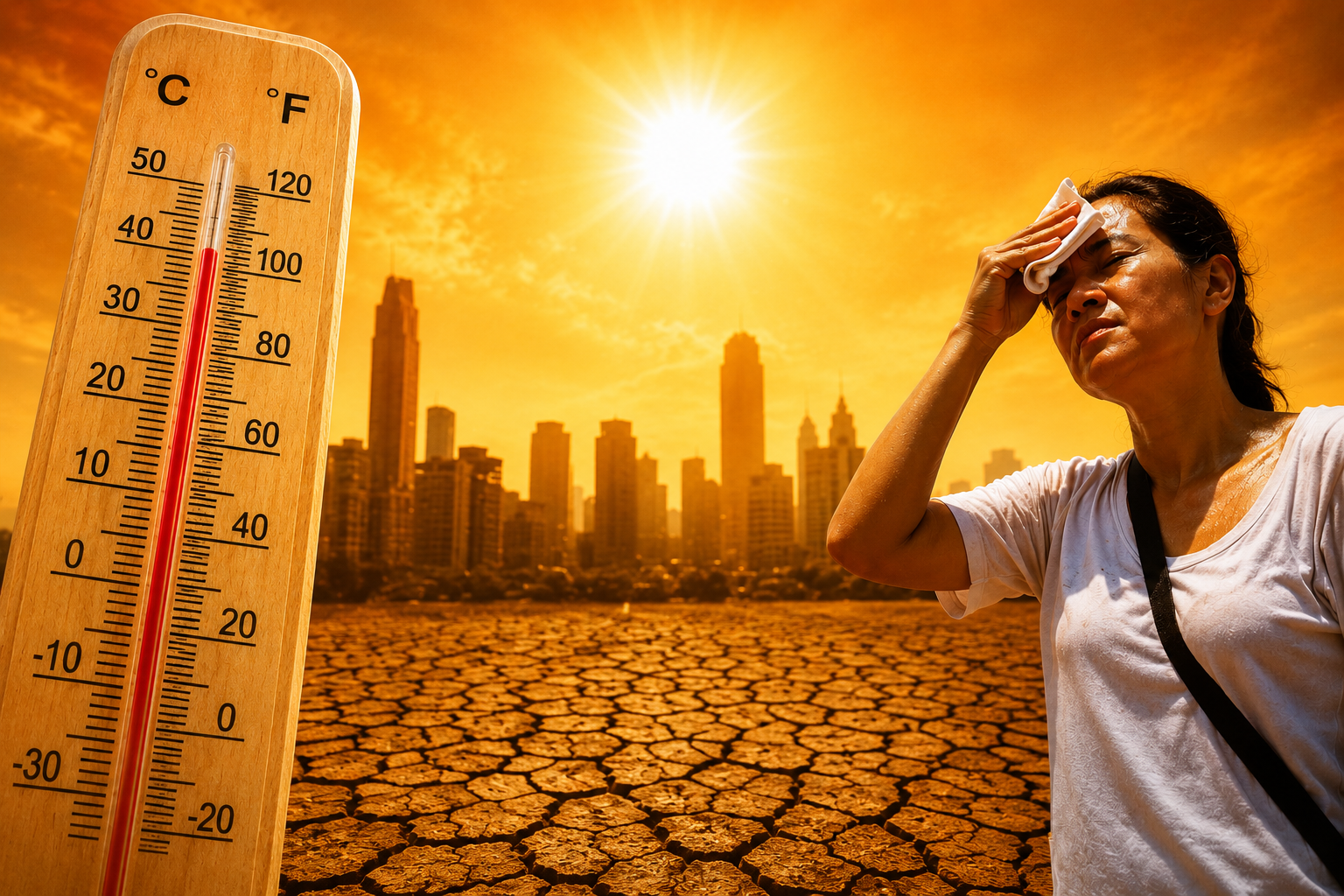
These may be physical risks such as droughts, floods, heat, changing rainfall patterns and damage to infrastructure.
They may also be transition risks, such as new environmental regulations, carbon-related costs, changing customer expectations, pressure from lenders, or the shift towards cleaner energy.
In other words, a company can no longer pretend that climate change is far away. If its supply chain can be disrupted by floods, if its production depends on water, if its energy costs are rising, or if global buyers are demanding cleaner products, then climate is already a business issue.
This matters because Kenya is not discussing climate from a distance. We have seen drought affect food prices. We have seen floods destroy roads, homes, farms, and businesses.
We have seen changing weather patterns disrupt agriculture, transport, energy, and public services.
A company that ignores these realities is not just being careless about the environment; it may also be putting investors, workers, suppliers, and customers at risk.
For the ordinary mwananchi, this may still sound like a Nairobi Securities Exchange problem. It is not.
Many Kenyans are connected to public companies without thinking about it. If you save through a pension scheme, your money may be invested in listed firms.
If you have insurance, your insurer may invest in the market. If you buy shares, work for a large company, bank with a major institution, or depend on goods and services from big businesses, then the strength or weakness of those companies affects you.
When companies hide or ignore serious risks, ordinary people eventually pay.
They pay through job losses, poor pension returns, higher prices, reduced dividends, unstable services, and weakened confidence in the market.
Better disclosure will not solve everything, but it gives Kenyans better visibility. It allows investors, analysts, regulators, and even ordinary citizens to ask better questions.
Is this company prepared for drought? Is it exposed to high energy costs? Does it understand its supply chain risks? Is its board paying attention? Is it only profitable today, or is it resilient enough for tomorrow?
That is the real value of these new standards. They make the future harder to hide.
Of course, implementation will not be easy.
Many Kenyan companies are not fully prepared. Some have never collected sustainability data seriously.
Others have treated environmental and social information as a public relations exercise rather than a financial reporting matter. Now they will need proper systems.
They will need to know who collects the data, who verifies it, how climate risks are measured, and how those risks affect strategy and financial planning.
This will require new skills. Boards will need training. Finance teams will have to work closely with sustainability, risk, procurement, and operations teams. Auditors and assurance providers will have to adjust.
Companies may need software, consultants, emissions tracking systems and climate risk assessments. For large firms, this will be demanding.
For smaller companies, especially those coming later in the roadmap, it may feel even heavier.
There is also the risk of polished but empty reporting. Some companies may be tempted to produce beautiful documents full of safe language and vague commitments.
That will not be enough. Investors and regulators will increasingly look for substance.
The real test will be whether companies can connect their sustainability and climate disclosures to actual decisions: capital allocation, risk management, governance, supply chain planning, energy choices, and long-term strategy.
Still, this shift is good for Kenya.
It forces companies to think beyond the next financial year. It strengthens market discipline. It gives investors a fuller picture.
It also aligns Kenya with global reporting expectations at a time when international capital is becoming more sensitive to climate and sustainability risks.
For Kenyans, the first few years may be messy. Some reports will be too technical. Some will be too shallow. Some companies will do better than others.
But over time, the quality should improve.
The mwananchi should look forward to a market where annual reports tell a more complete story: not just profit and loss, but risk and readiness; not just dividends, but resilience; not just what a company earned, but what could threaten or strengthen its future.
IFRS S1 and S2 may have arrived through the language of accounting, but their meaning is bigger than accounting.They are about honesty in the marketplace.
They are about whether companies can face the realities of a changing climate and a changing economy.
They are about giving Kenyans clearer information before decisions are made with their money, their jobs, their savings and their future.
The clock is ticking for public companies. But in truth, it is ticking for all of us.
The companies that prepare early will not only comply with the new standards; they may earn deeper trust.
And in a market where trust is often more valuable than a polished annual report, that may become the biggest advantage of all.