

For
millions of Kenyans, the latest fuel prices have become unbearable. These prices quickly translate
into higher food, transport and electricity costs. Public frustration is
understandable and justified. But before assigning blame, it is important to
understand where this crisis truly began.
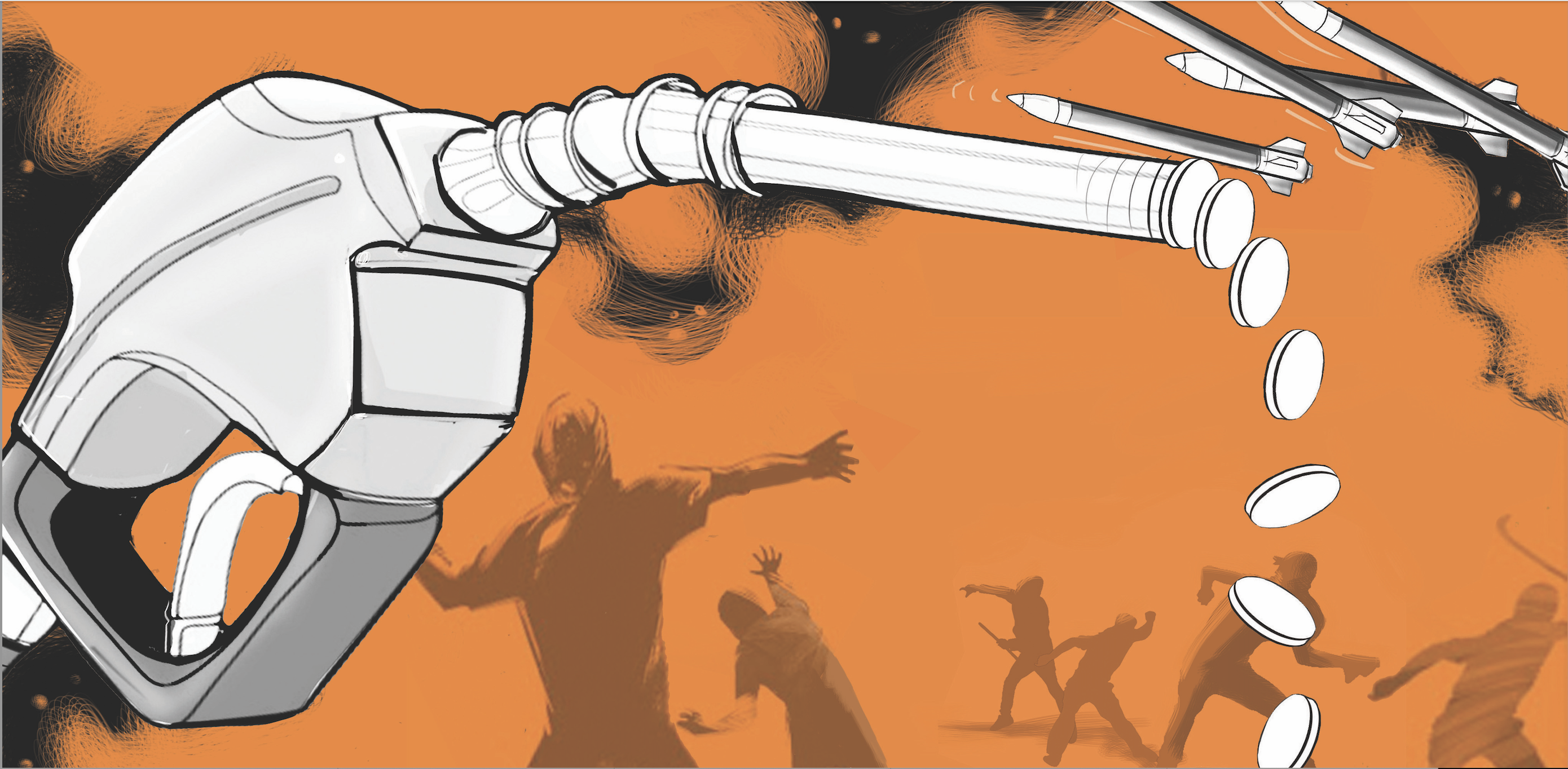
The current fuel shock is not a uniquely Kenyan creation. It is largely the result of renewed instability in the Middle East. Escalating tensions between the United States and Iran, coupled with disruptions around the Strait of Hormuz, through which nearly 20 per cent of global oil supply passes, have pushed crude oil prices above $100 per barrel. At the same time, production cuts by the Organization of the Petroleum Exporting Countries and its allies, commonly known as OPEC+, have tightened global supply.
Like many developing economies, Kenya is a price taker in the global energy market. The country imports almost all its petroleum products and has limited influence over international pricing. The landed cost of diesel in Mombasa rose sharply within weeks, inevitably pushing pump prices upward. This is fundamentally a global economic shock rather than a purely local policy failure.
That said, governments are judged not only by global circumstances but by how effectively they cushion citizens from hardship. The government has initiated several interventions. During the May-June 2026 pricing cycle, the government released Sh5 billion from the Petroleum Development Levy Fund, in addition to Sh6.5 billion disbursed earlier in April. Without those subsidies, diesel prices would reportedly have exceeded Sh260 per litre.
Parliament had earlier reduced VAT on fuel from 16 per cent to eight per cent, lowering the burden on consumers. The government-to-government fuel import arrangement has also helped contain speculative pricing premiums that could have pushed prices even higher. These interventions may not have eliminated the pain, but they have prevented a worse outcome.
Still, more can and should be done. Parliament could propose reducing the Road Maintenance Levy from Sh25 per litre back to Sh18 or lower. Legislators could also consider extending the reduced eight per cent VAT rate beyond its current expiry date or exploring a temporary exemption during periods of extreme volatility.
Kenya should also put in place Strategic Petroleum Reserve measures. Currently, the country depends largely on commercial reserves sufficient for only a few weeks. A properly funded national reserve capable of sustaining the country for at least three months would help stabilise supply during international disruptions and reduce panic-driven price spikes.
The
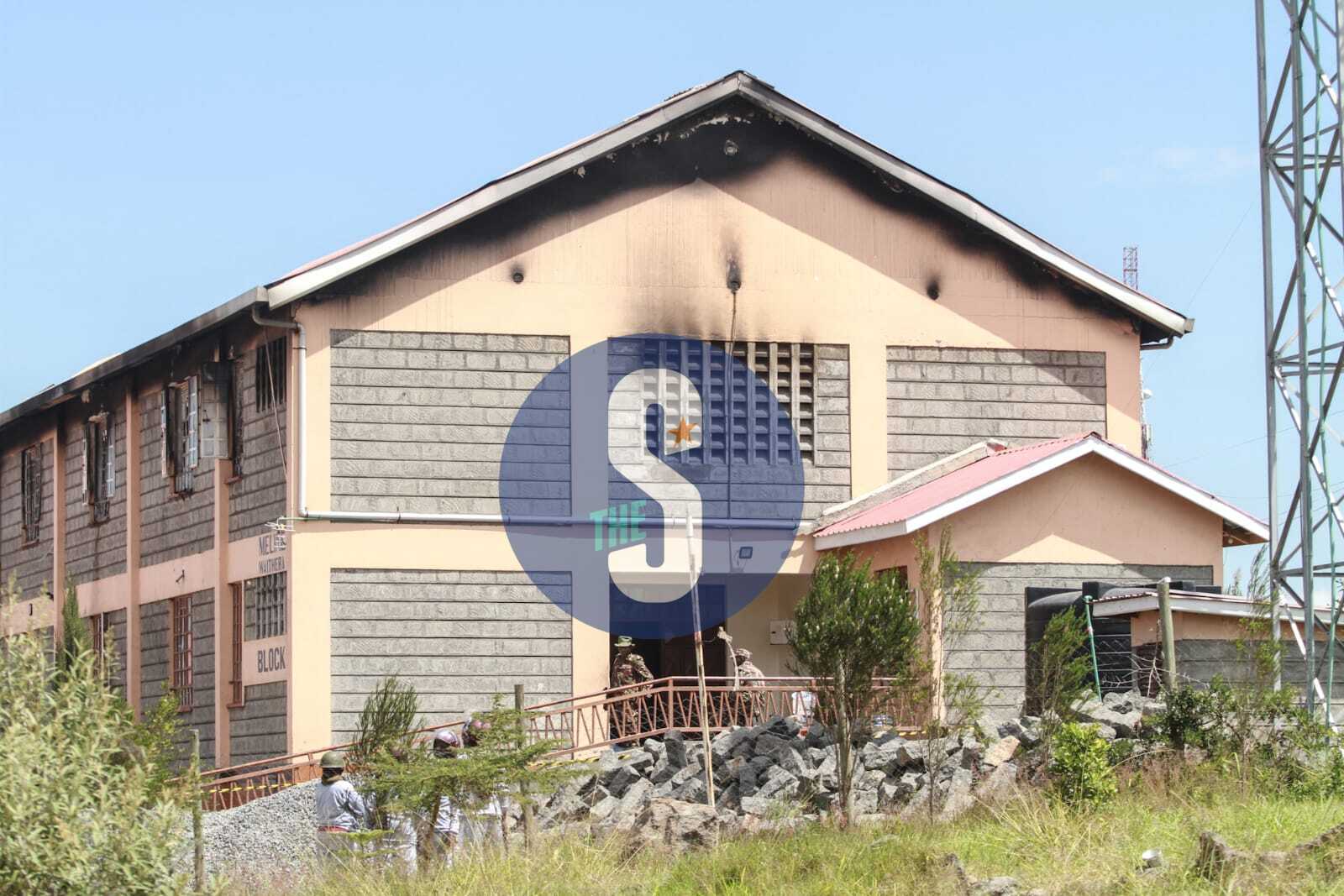
ongoing protests against fuel prices are increasingly taking a dangerous turn.
In several places, criminal groups have hijacked genuine public frustration to
loot businesses, torch vehicles and intimidate innocent citizens. What began
as civic pressure is, in some instances, degenerating into economic sabotage.
Protests will not lower global oil prices or influence OPEC production decisions. Instead, destroyed property and disrupted transport networks only deepen the suffering of ordinary Kenyans already struggling with the high cost of living. A blocked highway or burnt vehicle ultimately raises costs for everyone.
Responsibility should not rest with the government alone. Opposition leaders also have an opportunity to present practical and costed alternatives rather than relying solely on street mobilisation. If taxes and levies are to be reduced further, Kenyans deserve clarity on how public services and infrastructure projects would still be financed.
Industry players, including oil marketers and transport operators, must equally play a constructive role. Oil firms can review excessive storage and distribution margins, while transport operators should ensure subsidy benefits are reflected in commuter fares. Longer-term investments in strategic reserves and energy infrastructure will also require strong public-private cooperation.
Ultimately,
the relief Kenyans seek will come from a combination of global price
stabilisation and sound domestic policy. Street protests cannot calm tensions
in the Middle East or persuade oil producers to increase supply. Sustainable
solutions will come through legislation, fiscal adjustments, conservation
measures, and honest national dialogue.
Strategic adviser and expert in leadership and governance