

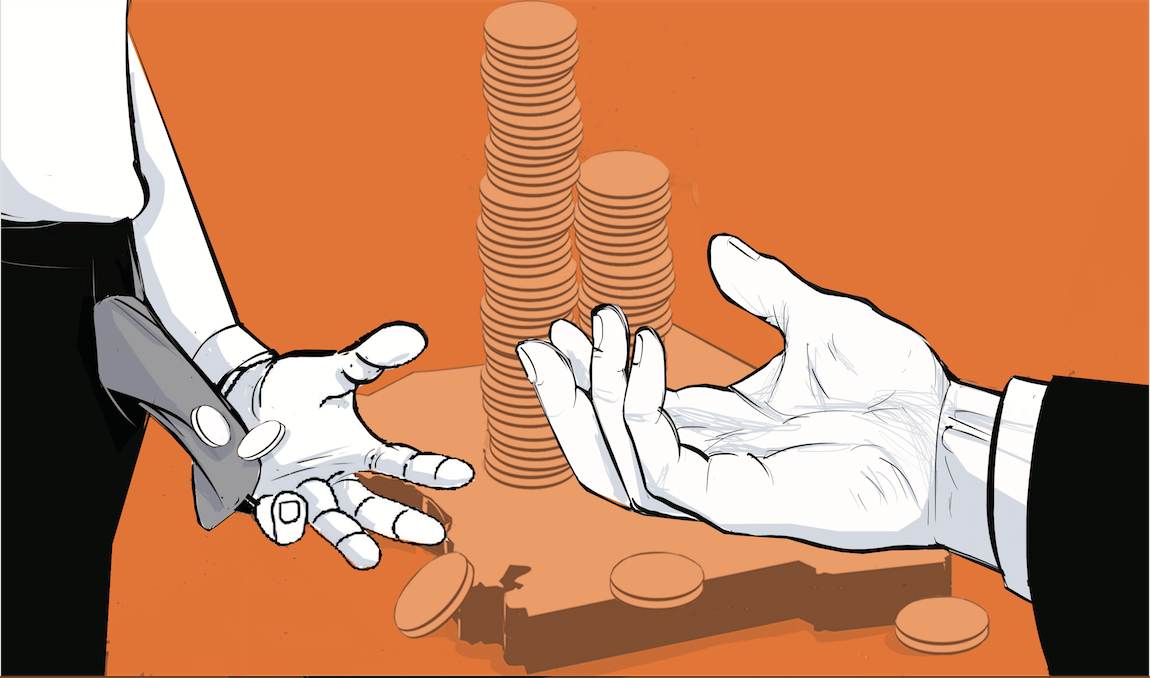
On Monday, thousands of Kenyans walked to work after matatu operators withdrew services from major routes in protest against rising fuel prices, as announced on May 15, where super petrol in Nairobi rose from Sh197.60 to Sh214.25 per litre, while diesel increased from Sh196.63 to Sh242.92 per litre.
Globally, crude oil prices rose by about 10.7 per cent following tensions in the Middle East. Kenya’s diesel prices jumped by nearly 46 per cent, adding the burden of taxes, levies and regulatory charges on consumers
Diesel powers matatus, trucks, farm tractors, factories, generators and construction sites. Once diesel prices rise, the effects spread rapidly through the economy as food prices rise, transport fares increase, construction slows and businesses struggle.
Every additional shilling spent on transport is a shilling removed from food, school fees or rent, and for many Kenyans already stretched to the limit, the latest fuel hikes feel more like punishment.
But why does Kenya repeatedly finance its economic survival on the backs of ordinary citizens? Part of the answer lies in the country’s shrinking fiscal space. Kenya’s public debt obligations consume a significant share of government revenue, leaving little room to cushion citizens during economic shocks.
Kenya’s tax-to-GDP ratio stands at about 14.1 per cent, far below the Organisation for Economic Co-operation and Development average of 34 per cent, even as taxes on fuel, mobile money transfers, salaries and household consumption continue rising.
The result is a tax system that punishes us. Indirect taxes such as VAT and fuel levies are regressive by nature. A billionaire and a boda boda rider may buy fuel at the same pump, but the burden falls far more heavily on the struggling worker earning a few hundred shillings a day, and it is this imbalance that has reignited calls for wealth taxation.
Wealth taxation targets accumulated wealth. It includes taxes on luxury property, high-value capital gains, inheritance, idle land and offshore holdings. The principle is that those who benefit most from Kenya’s economy should contribute more. Kenya’s levels of inequality make this debate unavoidable.
According to the Henley and Partners Africa Wealth Report 2024, Kenya has approximately 6,800 dollar millionaires, including 16 centi-millionaires worth more than Sh13 billion each. Nearly 4,400 of these wealthy individuals live in Nairobi, with around 60 per cent of their wealth tied to real estate.
Meanwhile, Oxfam estimates that the wealth held by Kenya’s richest elite exceeds that of the bottom 99.9 percent of the population combined. However, despite repeated political promises to “tax the rich,” Kenya still lacks a coherent wealth taxation framework.
Critics argue that the Finance Bill, 2026 could deepen inequality. Clause 20(b) proposes exempting transfers of property into Real Estate Investment Trusts from the 15 per cent Capital Gains Tax. Combined with existing tax exemptions and the proposed removal of anti-avoidance safeguards, wealthy investors could legally dispose of appreciated properties with minimal taxation.
As Parliament debates the Finance Bill, 2026, Kenyans must be
aware that our country cannot continue financing its future through taxes that
punish ordinary survival while concentrated wealth in the hands of a few enjoys
exemptions.
When citizens are forced to walk to work because transport has become unaffordable, while the wealthy continue to walk through tax loopholes, the crisis will no longer be merely about the economy but also about morality politics, and deep humanity.
Parliament must pursue a fairer tax system that protects vulnerable households, closes loopholes exploited by elites and restores public trust that economic sacrifice is shared fairly by all.
Programme Manager for Political Accountability in State Institutions
at the Kenya Human Rights Commission