

As Kenya commemorates the second
anniversary of the June 25 protests today, the country is once again reflecting
on one of the defining moments in its recent history. That day, thousands of
young people transformed online outrage over the Finance Bill into a nationwide
movement that challenged those in power and demonstrated the strength of
citizen action.
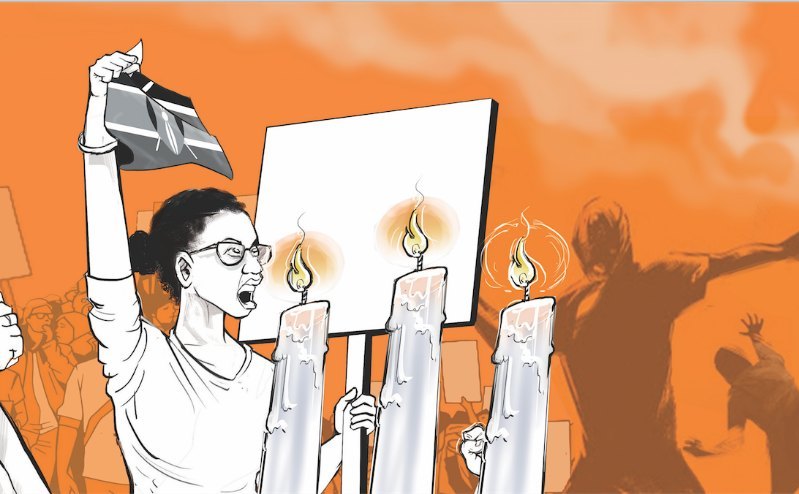
It was a reflection of the growing frustration with economic hardship, governance failures and a sense among many young people that their concerns were not being heard. Armed with smartphones, placards and Kenyan flags, they demanded accountability and a greater voice in decisions affecting their future, redefining civic participation for a generation often dismissed as politically disengaged
But what should have been remembered as a defining moment of civic engagement became a national tragedy. Despite deliberate attempts to hide the true magnitude of the violence, investigations by human rights organisations revealed hundreds of people could have been killed during this protest. Hundreds more disappeared and thousands were injured and arbitrarily arrested. Behind these figures are families still seeking answers and accountability.
The events of June 2024 and its first anniversary also tested Kenya’s commitment to the rights and freedoms guaranteed by the constitution. Article 37 protects the right of every citizen to assemble, demonstrate, picket and petition peacefully. These are not privileges granted by the regime, but rights protected by law: and the responsibility of law enforcement is therefore not only to maintain public order, but also to safeguard the exercise of these freedoms.
If these events exposed institutional failures, what followed suggests those failures were not adequately addressed. The first anniversary of the Gen Z protests in June 2025 was again marked by deaths and injuries during demonstrations. Barely two weeks later, the Saba Saba protests descended into further bloodshed, with the Kenya National Commission on Human Rights documenting 38 deaths and at least 130 injuries by July 11.
The recurrence of violence raises an uncomfortable but necessary question: what has changed since June 2024? For the families who lost loved ones and for citizens concerned about the future of democratic freedoms, the issue is not simply how these events are remembered, but whether meaningful steps have been taken to prevent their repetition.
Genuine accountability requires more than acknowledging harm; it requires confronting the institutional weaknesses exposed by these events and strengthening safeguards against their recurrence.
This is why justice cannot be measured solely by compensation, memorials or public apologies. While such measures may acknowledge harm and provide redress, lasting accountability requires reforms that address the conditions that made the violations possible and reduce the likelihood of their recurrence.
This principle is reflected in KNCHR's 2026 Framework for Compensation and Reparations for Victims of Human Rights Violations, which recognises that justice extends beyond financial compensation to include truth-telling, accountability, rehabilitation, institutional reform and measures designed to prevent future violations.
Such reforms include strengthening oversight within security agencies, ensuring prompt and independent investigations into allegations of excessive use of force, improving crowd-management practices and enhancing transparency in policing operations. Equally important is creating meaningful channels for young people to participate in public decision-making so that grievances are addressed.
The most meaningful tribute to those who lost their lives is not remembrance alone, but a commitment to ensuring that constitutional rights are protected, accountability is upheld and future generations never have to pay the same price for demanding to be heard.
Programme Manager for Political Accountability at the Kenya Human Rights Commission