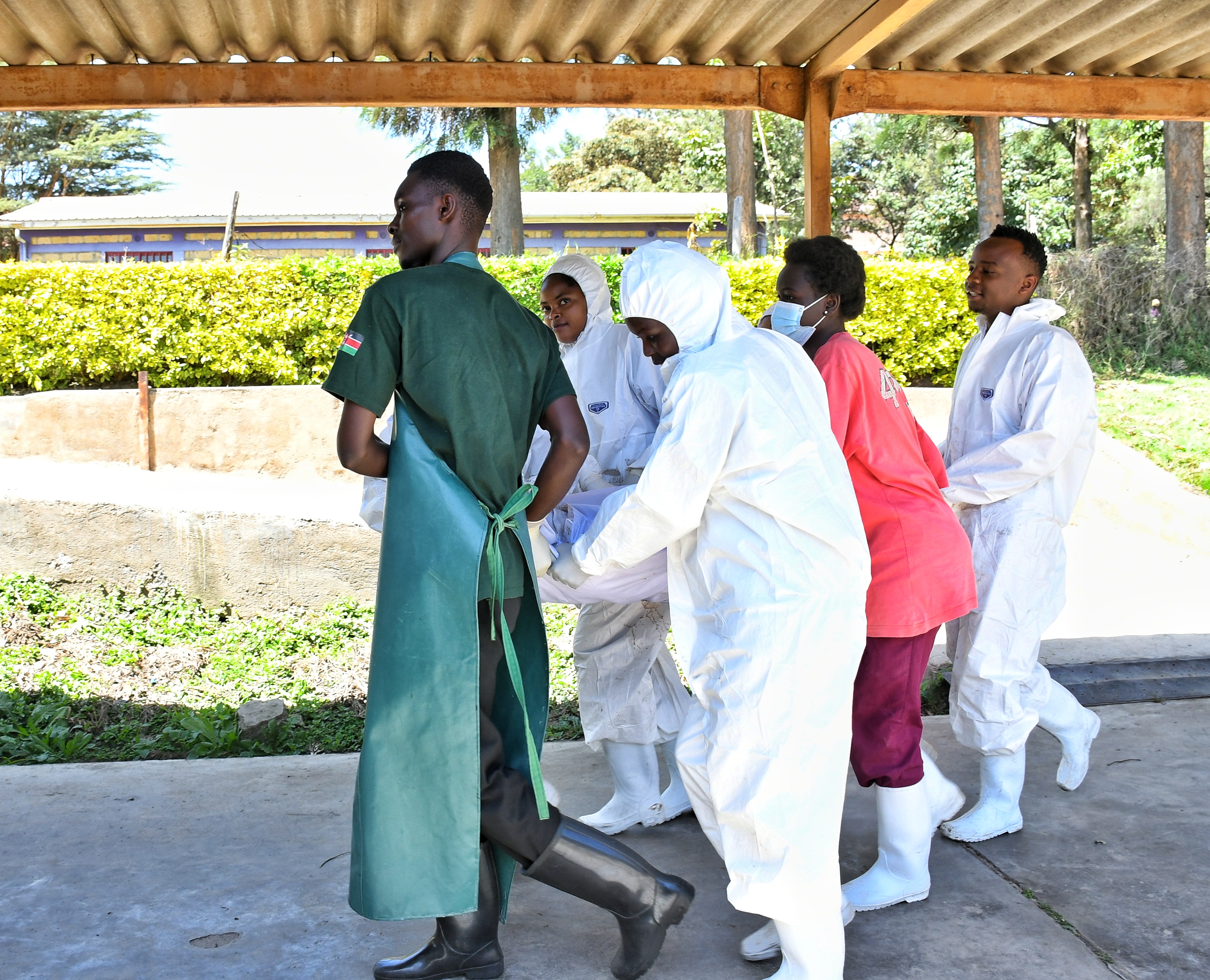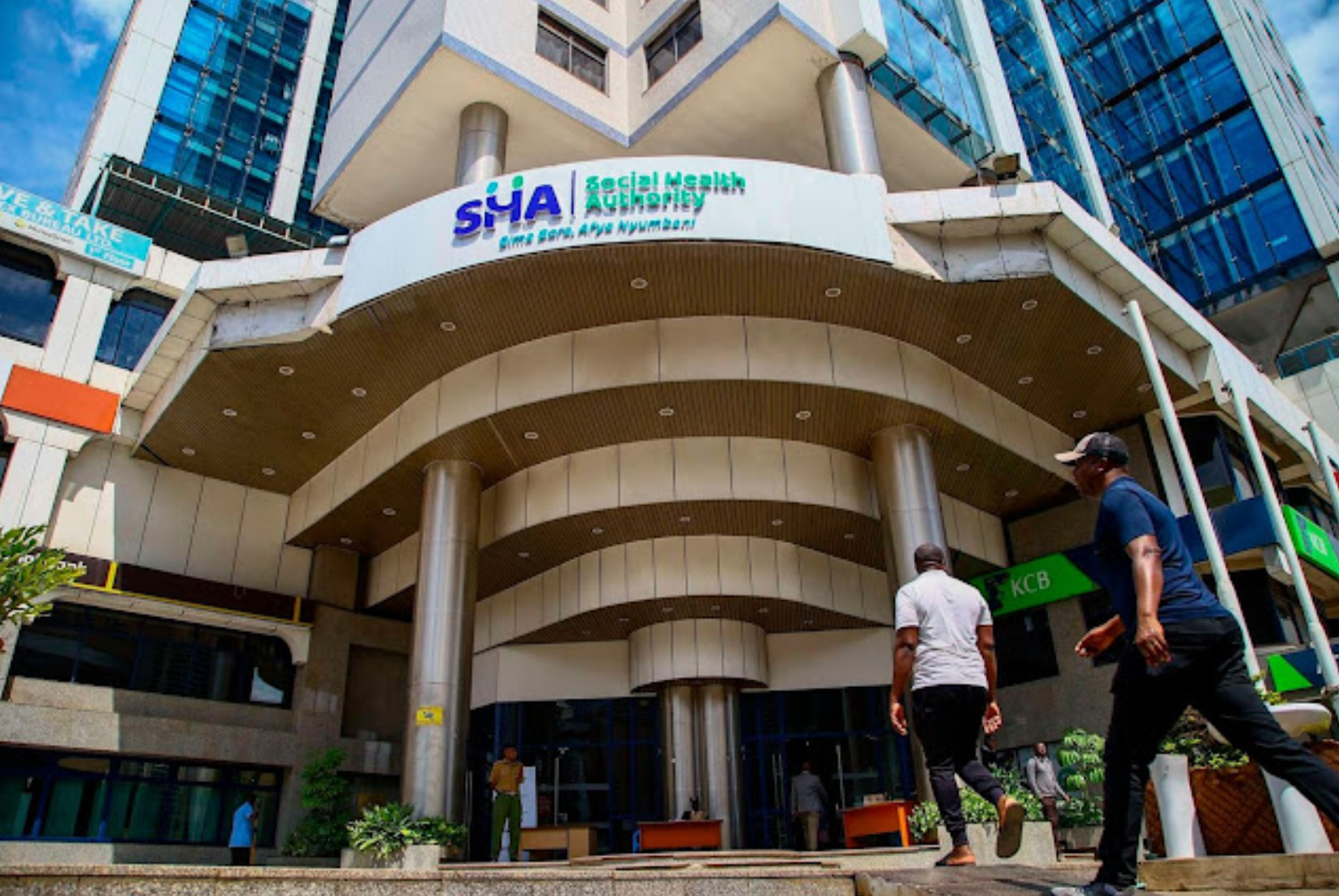


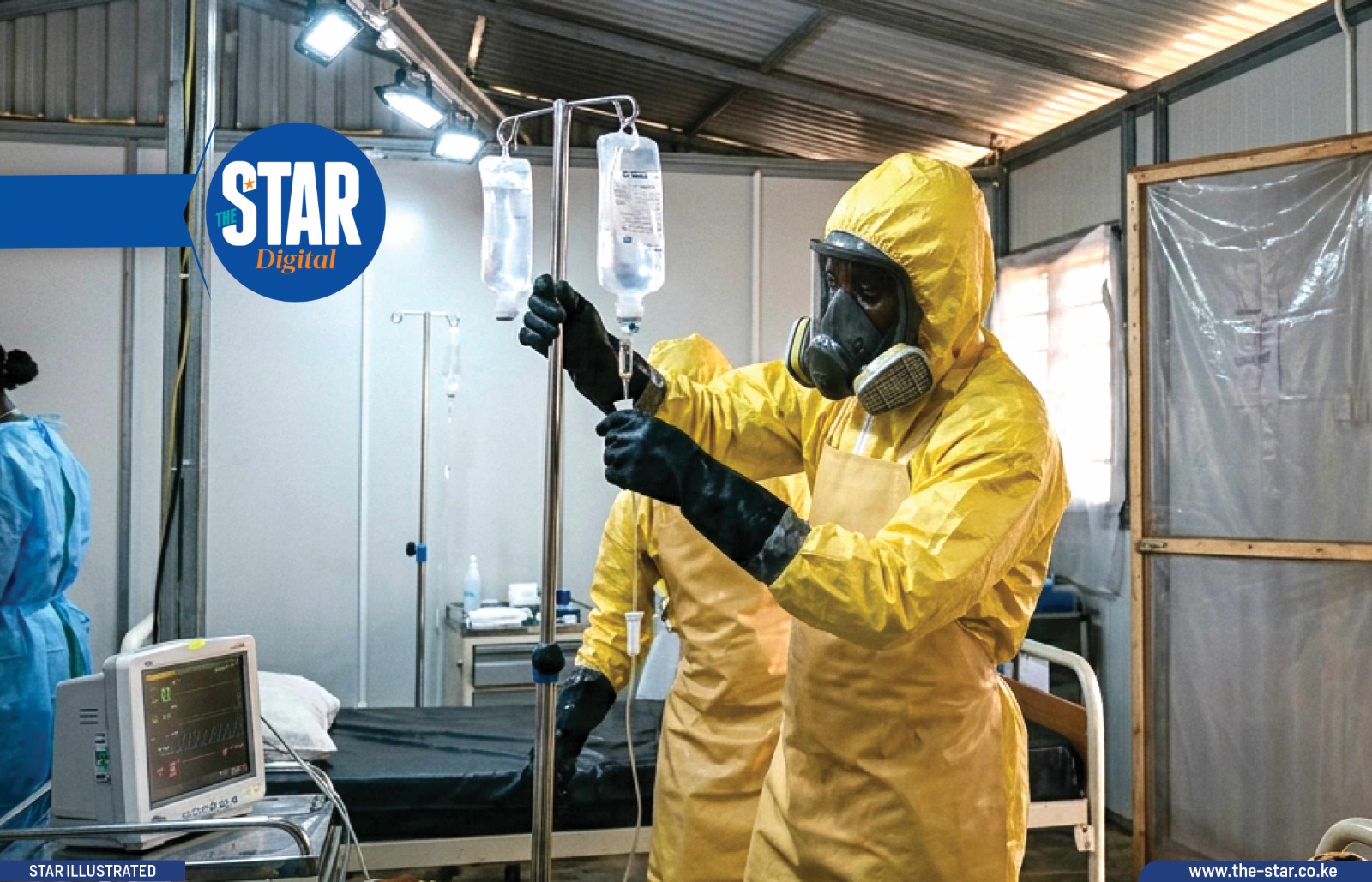
The government's decision to identify quarantine and isolation sites in more than 10 high-risk border counties is a prudent step that deserves careful consideration rather than alarm.
Ebola is among the world's deadliest infectious diseases, with outbreaks capable of overwhelming health systems if countries are caught unprepared. Kenya's position as a regional transport and trade hub means it cannot afford to rely solely on border screening and hope that cases never arrive.
Experience from previous outbreaks in West Africa, the Democratic Republic of Congo and Uganda has shown that preparedness before the first case is detected is far more effective than scrambling to respond after local transmission begins.
The establishment of dedicated facilities at Kenyatta National Hospital, Moi Teaching and Referral Hospital and other locations reflects a lesson learned from Covid-19: investments in emergency preparedness often continue to strengthen healthcare systems long after a crisis has passed.
However, buildings alone do not stop outbreaks. The success of any preparedness plan will depend on adequate staffing, continuous training of healthcare workers, sufficient protective equipment, strong laboratory capacity and clear communication with the public. Communities near designated facilities must also be engaged openly to prevent misinformation and fear.
Ebola preparedness is ultimately an investment in national security. The cost of readiness may seem high, but the cost of being unprepared is almost always far greater.
Quote of the day: “To ‘learn from experience’ is to make a backward and forward connection between what we do to things and what we enjoy or suffer from things in consequence.” —American philosopher John Dewey died on June 1, 1952