

For the longest time, Kenya's development initiative has been faced with a myriad of challenges of how to grow rapidly without draining the very natural systems that sustain that growth.
From shrinking forests to growing urban centres, Kenya is among the countries that have been trying to balance between industrial expansion and environmental recovery to enable it to be at par with a country like China, which, despite it still being considered a developing country, has transformed itself into a world manufacturing hub and still remained a champion of environmental restoration.
Although Kenya and China differ in size, history, and economic structure, they are increasingly being united by common goals such as the need to pursue growth without destroying the natural foundations that sustain it.
In a period defined by climate change, resource scarcity, and rapid urbanisation, both countries are discovering that green transformation is no longer optional, but it is central to their future stability and prosperity.
Today, China, which has undergone rapid industrialisation, urban expansion, and population growth and leads the world in renewable energy investment, electric transport, has proven that it is possible to harmonise development with sustainability.
The emerging partnership between Kenya and China has seen Kenya leveraging China's green environment, which has made it possible to transform the environment such that it becomes a source of livelihood.
One area of shared interest is clean energy where on hand Kenya has already positioned itself as a leader in renewable energy, with geothermal power forming the backbone of its electricity mix while China, on the other hand, has become a global powerhouse in solar, wind, and battery technologies.
By combining Kenya’s natural endowments with China’s technological expertise, the two countries can accelerate the transition to a low-carbon economy, a move that will go a long way in enhancing energy security and create new economic opportunities.
Another area where the two countries have shared common goals includes urbanisation, as both countries' cities have seen a rapid growth in population, which has had an impact on the environment.
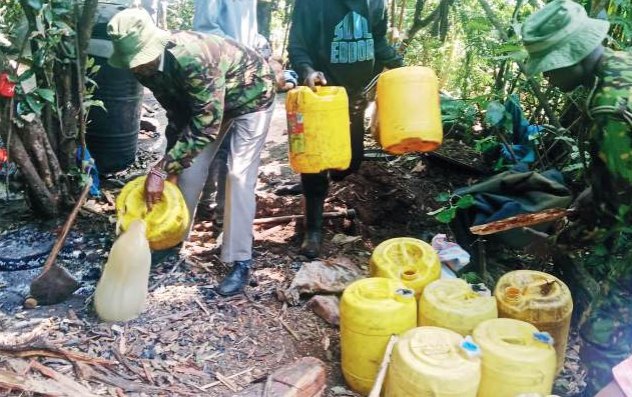
For Kenya, its urban centres are growing quickly. Informal settlements are expanding without adequate sewer systems, and industries are discharging waste to the extent that this growth is slowly overtaking infrastructure and planning.
To deal with this, Kenya can draw valuable lessons from China, which in the past faced similar challenges but has managed to turn around the situation due to its decisive, state-led interventions, which include massive investments in wastewater treatment, strict pollution controls, and long-term urban planning frameworks.
Projects like the rehabilitation of the Dandora Estate Sewage Treatment Works are an example of how modern technology can meet local needs, as such initiatives could redefine how Kenyan cities grow, as they will become cleaner, more efficient, and more resilient.
The Dandora’s transformation is a quiet lesson in what Kenya can achieve when it embraces global partnerships and adapts proven solutions.
The collaboration with China’s Jiangxi Zhongmei Engineering Group has shown that even the most degraded infrastructure can be rehabilitated into something both functional and ecologically valuable.
What was once a failing “kidney” of the city is now a semi-natural sanctuary where wildlife coexists with modern waste treatment systems.
The Dandora upgrade not only proves that technology must be embraced and not feared because the automated systems installed at the site have been able to filter out up to 95 per cent of solid waste, which clearly illustrates the power of modern engineering.
Through this innovation, China has demonstrated how digital monitoring, smart grids, and AI-driven environmental management can dramatically improve efficiency.
Apart from the Dandora dumpsite, the decision by the Kenyan government to borrow from China’s Sponge City model and move to construct a Sh47 billion Sponge City Project aimed at tackling floods within Nairobi City is a big step that could redefine how Nairobi interacts with water, turning floods from a destructive force into a managed resource.
The plan, the government said, is a Flood Resilience Masterplan under the Nairobi Rising Program aimed at fixing the deep, structural causes behind Nairobi's deadly and recurring flooding problem.
China's Sponge City program, which was launched in 2013–2014, is a massive urban infrastructure initiative designed to combat flooding and water shortages by mimicking natural water cycles. It uses green infrastructure wetlands, permeable pavements, and green roofs to absorb, store, and purify rainwater, aiming to manage over 70 per cent of urban runoff.
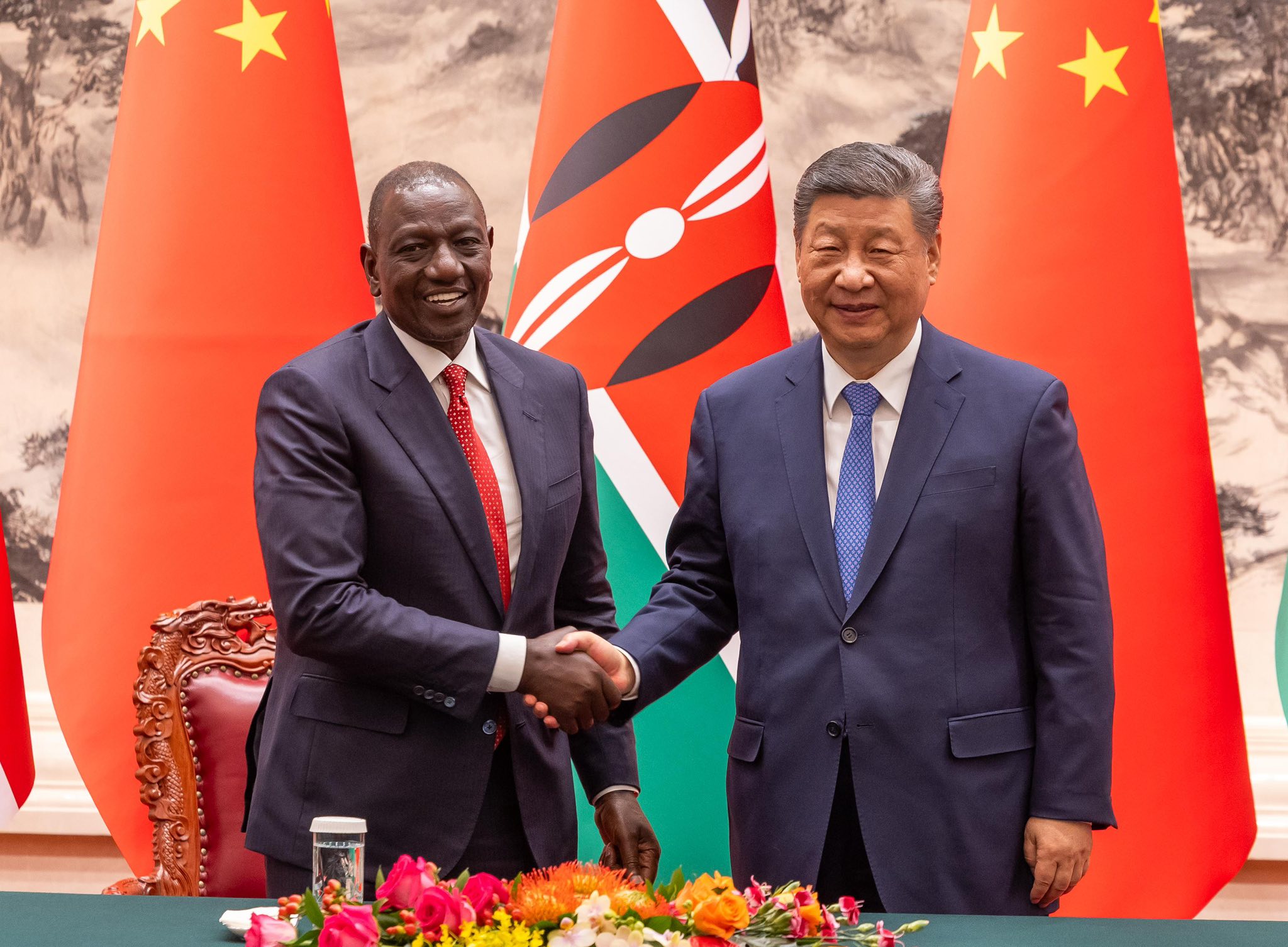
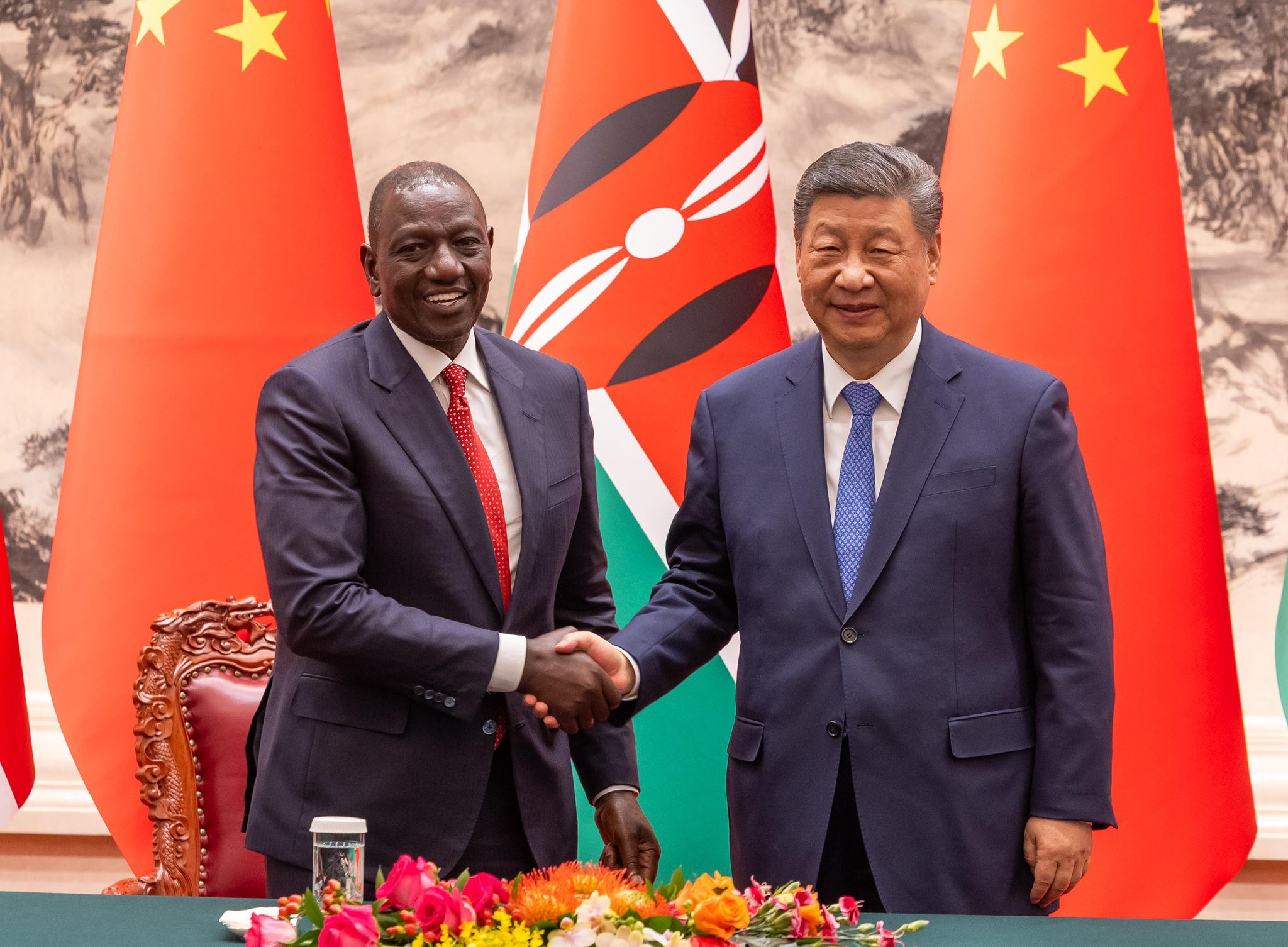
The current partnerships and initiatives between Kenya and China are in line with President Xi Jinping's commitment, as contained in his book ‘The Governance of China’, where a whole chapter titled A Better Environment for a Beautiful China has been dedicated to issues to do with the environment.
In the book XI has called for a balance between economic growth and environmental protection, bearing in mind that protecting the environment equates to developing productivity.
Says Xi in the book: “We will be more conscientious in promoting green, circular and low-carbon development. We will never again seek economic growth at the cost of the environment.”
To conclude on this, it is important to note that the Kenya-China collaboration has helped expand access to affordable technology and financing as well as accelerate the transition away from fossil fuels without placing excessive strain on public finances.
![[Understanding China] Feeding a nation: Insights into China's government-led food security strategy](https://cdn.radioafrica.digital/image/2026/04/0aa81c8e-4135-4b21-bb93-4c0d19488b30.jpg)