


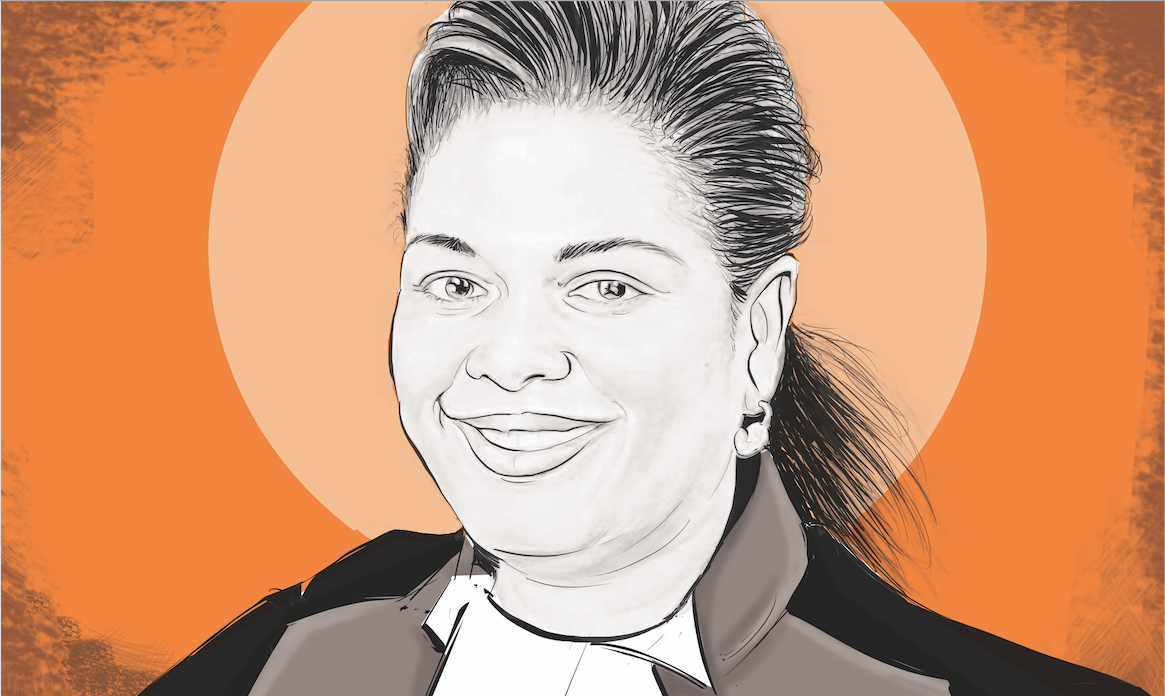
Kenya’s campaign for Justice Njoki Ndung’u to join the International Criminal Court bench should not be seen as an ordinary legal nomination. It is a major foreign policy effort that calls for tact, timing, strategy and serious diplomatic lobbying.
ICC judges are elected by the
Assembly of States Parties. The formal process looks at merit, legal
experience, gender balance and regional representation. But in practice,
winning such a seat also depends on how well a country builds support, reaches
out to allies and turns goodwill into actual votes.
There are useful lessons from countries such as Canada, Switzerland, Ghana and Uganda. Canada and Switzerland have often relied on quiet, merit-based campaigns through their permanent missions, legal networks and civil society contacts.
Ghana and Uganda have shown the importance of African Union backing and regional consensus. The lesson is simple: countries that win start early, lobby consistently and present their candidates in line with the priorities of the Court.
For Kenya, the first step should be to secure the African Union endorsement. A united African position would give Justice Ndung’u’s candidature stronger legitimacy and reduce the risk of divided support within the continent. In multilateral elections, regional backing is not just ceremonial; it can make a real difference.
Kenya should also draw on the experience of its former ambassadors. Former envoys to The Hague, New York, Geneva and Addis Ababa remain valuable diplomatic assets. They understand how multilateral negotiations work, they still have useful networks and they can quietly engage key missions away from the public eye. In this kind of campaign, quiet diplomacy can be just as important as official state visits.
Major global powers should
also be approached carefully. Although not all permanent members of the UN
Security Council are State Parties to the Rome Statute, they still influence
global conversations around the ICC. Kenya should seek active support from
France and the United Kingdom, while engaging the United States, China and
Russia to avoid any negative diplomatic signals.
High-level political engagement will also matter. Presidential visits, foreign ministerial meetings and side meetings during major forums such as the UN General Assembly, AU Summit and Commonwealth meetings can help Kenya secure support from key voting states. Sometimes, a focused 20-minute conversation on the sidelines of a summit can achieve more than a formal diplomatic note.
Justice Ndung’u’s record on gender justice should be placed at the heart of the campaign. The ICC continues to value experience in sexual and gender-based violence, integrity and judicial independence. Kenya should therefore present her candidature not only as a Kenyan bid, but as a contribution to the strength and credibility of the Court itself.
Civil society should not be left out. International legal organisations and human rights networks often shape how judicial candidates are viewed. Kenya should engage them early, share clear information about Justice Ndung’u’s qualifications and keep the campaign transparent and credible.
I have heard and read about Justice Njoki Ndung’u’s domestic and international experience, and I sincerely wish her the very best of luck. This article is my modest contribution to her success, and to Kenya’s wider diplomatic effort.
At the same time, Kenya must avoid anything that looks like vote-trading. A successful campaign should be built on merit, regional support and principled diplomacy. The goal is not only to win, but to win in a way that strengthens Kenya’s reputation in international justice.
Winning an ICC judgeship requires more than legal excellence. It requires diplomatic momentum. If Kenya carefully combines African Union endorsement, bilateral outreach, former ambassador engagement, selective major-power diplomacy and high-level lobbying, Justice Njoki Ndung’u’s candidature can become a strong and credible campaign.
For Kenya, this is not just about one seat on the ICC bench. It is about influence, reputation and the country’s place in shaping international justice. A well-run campaign would show that Kenya understands global diplomacy — and knows how to use tact and strategy to advance national interests.
Tact and strategy expert