

 Abdullahı Maalim, a governance and policy expert with 25+ years of experience in public administration, devolution, and institutional reform. /HANDOUT
“A school dormitory should be a place where dreams sleep, not where lives end.”
As Kenya stands on the threshold of commemorating the Day of the African Child (16 June), a sobering reality confronts the nation. Instead of marking steady progress in safeguarding children, the country is once again grappling with grief, uncertainty, and unsettling incidents in its boarding schools.
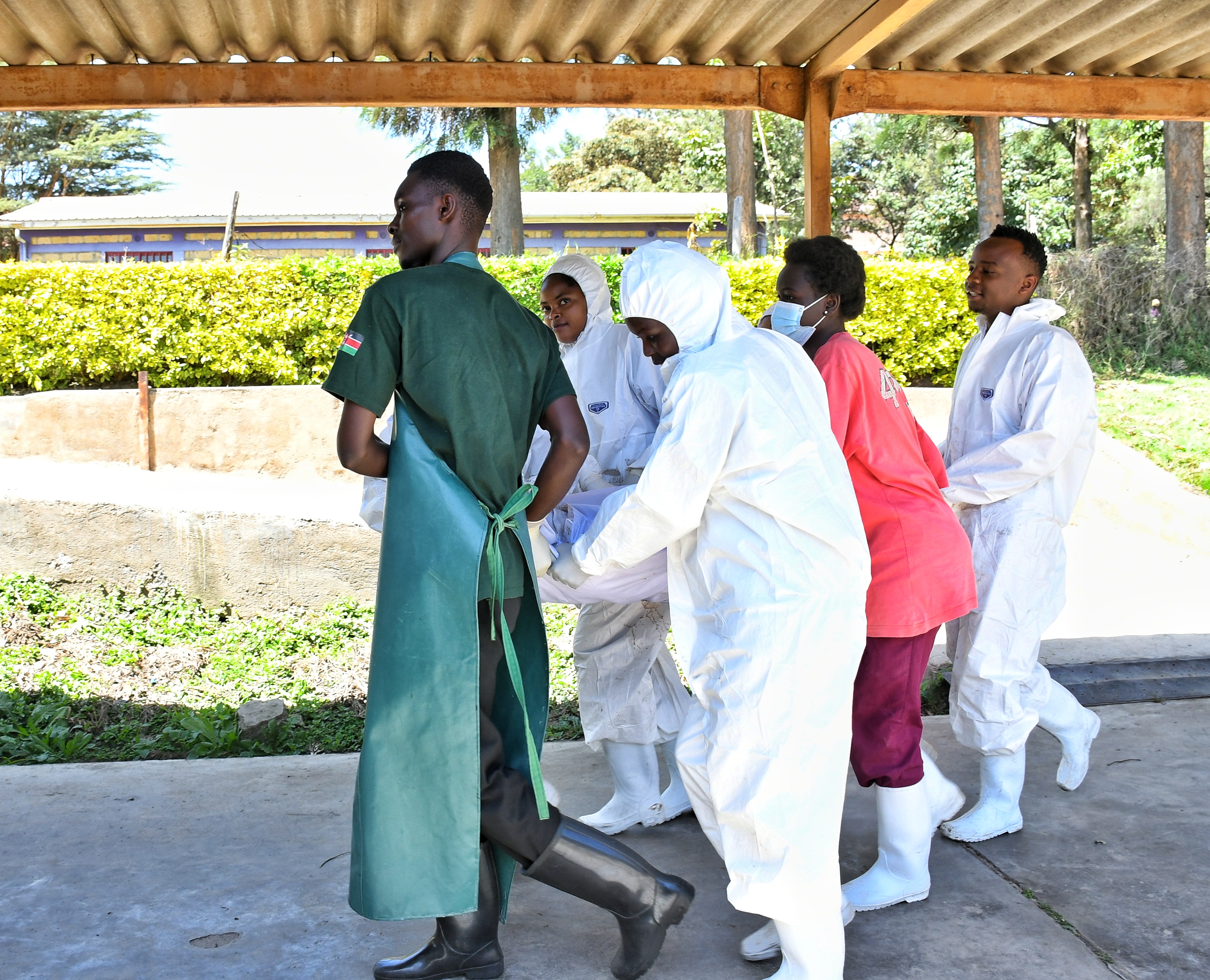
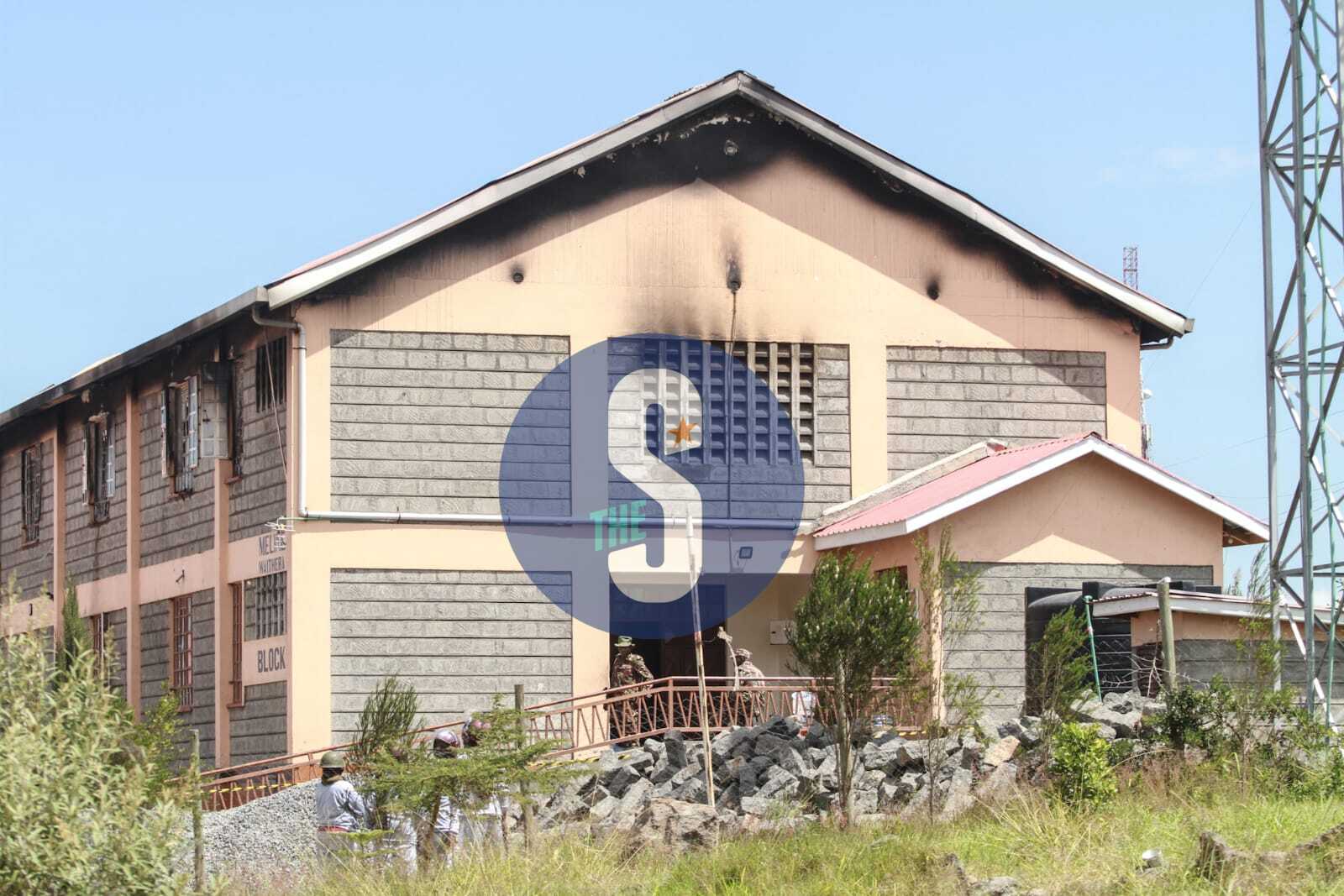
The tragedy at Utumishi Girls Academy in Gilgil, where 16 students lost their lives, remains a painful reminder of how quickly school environments can turn into scenes of devastation. Even as the nation continues to mourn, reports of another dormitory fire at Sameta Boys High School in Kisii County, where nine students were injured, have deepened public concern. Though no fatalities were recorded in Sameta, the incident has added urgency to growing questions about safety in boarding schools.
At the same time, Moi Forces Academy in Lanet, St. Joseph Seminary in Molo Sub-County, Naivasha Girls, and Lenana School were temporarily closed following concerns about student unrest, raising further questions about learners' well-being, discipline, and the stability of boarding school environments.
Taken individually, these incidents may appear isolated. Taken together, they suggest a system under strain.
Kenya has lived through this before. The memory of the Kyanguli Secondary School fire in 2001, where 67 students lost their lives, remains deeply etched in national memory. More recently, the Hillside Endarasha Academy fire in 2024, which claimed 21 young lives, once again exposed the devastating consequences of dormitory fires in learning institutions. Over the years, other schools have also experienced fire outbreaks and near-miss incidents, each followed by shock, investigations, and renewed promises of reform. Yet the recurrence of such tragedies continues to raise difficult questions about what is not working.
Kenya has developed comprehensive school safety standards and emergency preparedness guidelines under the Ministry of Education. These require schools to maintain accessible emergency exits, conduct regular fire drills, ensure that firefighting equipment is functional, regulate dormitory occupancy levels, train staff and learners in emergency response, and undergo routine safety inspections. On paper, these measures are clear and robust. In practice, however, recurring incidents continue to raise concerns about uneven implementation and enforcement across institutions.
Each new fire incident tends to reveal familiar weaknesses, including delayed response, inadequate evacuation readiness, and challenges related to dormitory design or emergency accessibility. This gap between policy and practice remains one of the most critical issues facing school safety today.
While
investigations into school fires often focus on immediate causes, it is
increasingly evident that prevention requires a broader understanding of institutional
and social dynamics. Boarding schools today operate in a rapidly changing
environment where learners face intense academic pressure, increasing digital
and social media influence, mental health challenges, extended separation from
families, and in some cases, limited access to structured counselling and
psychosocial support.
In such contexts, school climate becomes central to stability. Where learners feel unheard, unsupported, or disconnected from school leadership, tensions may build over time. This does not justify destructive behaviour, but it highlights the importance of prevention strategies that go beyond discipline to include engagement, counselling, and trust-building within school communities.
The recent fire at Sameta Boys High School is part of a worrying pattern of recurring school emergencies across the country. While not all incidents result in loss of life, each one disrupts learning, damages property, and exposes gaps in preparedness. Together with earlier tragedies and recent unrest in some institutions, these events point to a growing need to strengthen school safety systems, early warning mechanisms, and student wellbeing frameworks.
Kenya does not lack policies on school safety. The more difficult question is whether those policies are consistently enforced. Concerns often raised by stakeholders include the frequency and quality of safety audits, the timeliness of corrective action, the consistency of compliance across schools, the testing of emergency systems under real conditions, and the transparency of monitoring processes. Without strong enforcement, even the best-designed policies lose their protective value.
As the
nation prepares to commemorate the Day of the African Child, this year’s
reflection carries added weight. It is not only a celebration of children’s
rights but also a reminder of the responsibility to protect those rights in
practice, especially the right to safety and dignity in learning environments.
Let us recognise these tragedies and incidents in our schools not as isolated events, but as urgent demands for unified, immediate action to protect every child. We must now convene a national dialogue on school safety—one that proactively addresses prevention, mandates accountability, and involves all stakeholders in concrete reform. The time to protect our students is now.
Ultimately, the measure of any education system is not only in how many children it educates, but in how safely it protects them while they learn. As Kenya reflects on the Day of the African Child, the call is clear: safeguarding children must move from policy to practice, from promise to enforcement, and from reaction to prevention.
Only then can schools truly remain places where dreams are nurtured—not where they are endangered.
The writer is a governance and policy expert with 25+ years of experience in public administration, devolution, and institutional reform.