


If there is one language that transcends ethnicity, class, religion, geography and generation in Kenya, it is not English. It is not Kiswahili. It is protest.
Long before many Kenyans master the formal languages of the Republic, they learn another civic language, one spoken in markets and villages, in courtrooms and universities, on social media platforms and in the streets. It is the language of questioning authority, resisting injustice, demanding accountability and asserting human dignity. Protest, public participation and speaking truth to power are not merely constitutional rights in Kenya; they are part of the country's political DNA.
This is not to suggest that protest is uniquely Kenyan. Every democracy experiences dissent. The distinction is that few countries demonstrate as clearly as Kenya that major political reforms have historically emerged from organised citizen pressure rather than elite generosity.
From the anti-colonial struggle against British rule to the fight for multiparty democracy, from the Second Liberation to the constitutional reforms that culminated in the 2010 Constitution, nearly every significant democratic advance was secured because citizens insisted upon it.
Rights were not gifted. They were demanded.
Political philosophy offers a useful explanation. The English thinker John Locke argued that government derives legitimacy from the consent of the governed. Centuries later, political theorist Hannah Arendt observed that power ultimately rests not on force alone but on collective public acceptance.
When citizens organise, mobilise and speak with a common voice, they remind leaders of a foundational constitutional truth: sovereignty belongs to the people.
Kenya's Constitution explicitly recognises this principle. Article 1 vests sovereign power in the people. Article 33 protects freedom of expression. Article 37 guarantees the right to assemble, demonstrate, picket and present petitions. Kenyan courts have repeatedly affirmed public participation as a constitutional imperative rather than a ceremonial exercise.
These provisions were not inserted into the Constitution as decorative democratic ornaments. They were designed as safeguards against the excesses of power and as instruments through which citizens continuously shape public affairs.
Yet every generation witnesses the same political misunderstanding. Whenever citizens exercise these rights, sections of the political establishment portray dissent as disorder. Protesters are labelled sponsored actors. Critics are accused of sabotaging development. Citizens demanding accountability are cast as enemies of stability.
Such claims fundamentally misunderstand the nature of constitutional democracy.
A democracy should not be measured by the silence of its citizens but by their willingness to speak. Silence may reflect satisfaction, but it may equally reflect fear. History is littered with governments that appeared stable until suppressed grievances exploded into crises. Genuine stability emerges not from the absence of criticism but from the existence of legitimate channels through which citizens can express it.
Critics often argue that protests sometimes descend into violence. This is true. Yet the existence of criminal conduct within a demonstration does not invalidate the constitutional right itself.
Rights are judged by their legitimacy, not by the misconduct of those who occasionally abuse them. The answer to unlawful behaviour is law enforcement, not the criminalisation of constitutional freedoms.
Others insist that governments must maintain order. Indeed, they must. But constitutional republics are built upon a balance between liberty and order. The state's duty to preserve public safety does not extinguish the citizen's right to challenge state decisions. The question is not whether order should exist, but whether the language of order is being used to shield power from accountability.
This is particularly important in Kenya, a nation of extraordinary diversity. We differ in ethnicity, religion, political affiliation and economic circumstance. Yet when fundamental questions of justice arise, Kenyans display a remarkable capacity for unity. Whether confronting corruption, excessive taxation, police misconduct, electoral disputes or the rising cost of living, citizens repeatedly converge around a simple demand: respect for their rights, dignity and voice.
That convergence is what makes protest Kenya's true national language.
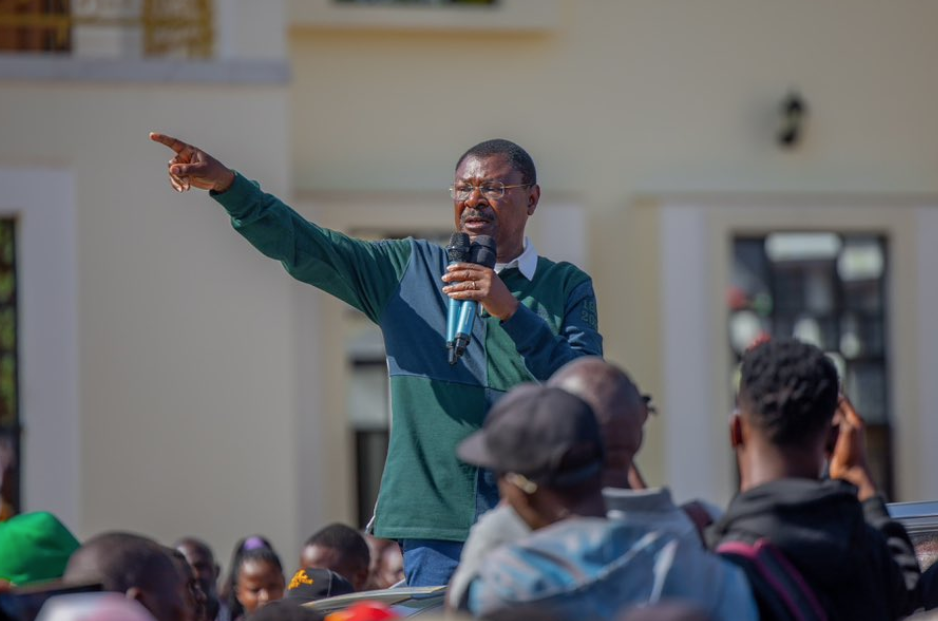
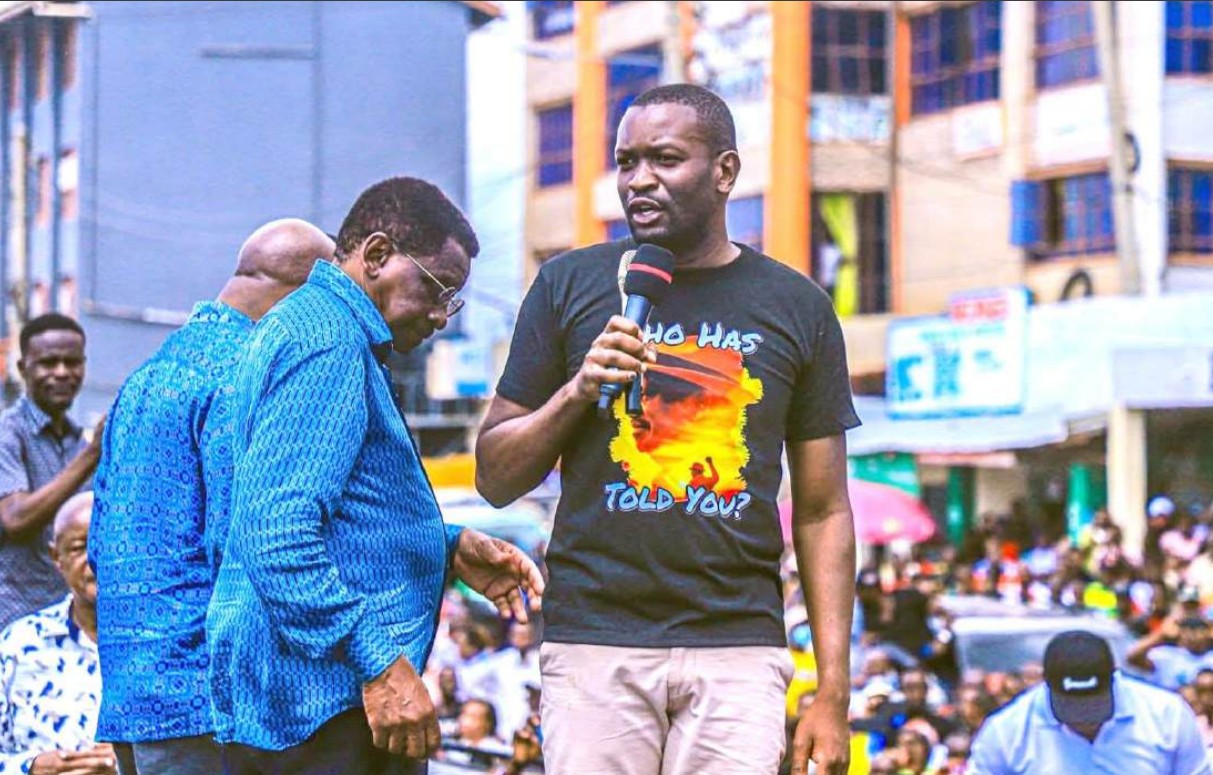
When young people mobilise online to challenge public policy, they are speaking that language. When communities submit memoranda during public participation forums, they are speaking that language. When journalists expose abuse of power, activists file constitutional petitions, trade unions organise, or citizens peacefully assemble to demand accountability, they are all participating in the same national conversation.
The greatest threat to democracy is not protest. It is indifference. A silent population may signify resignation rather than contentment. Public dissent, by contrast, often reflects democratic faith—the belief that institutions can still be compelled to honour their constitutional obligations.
Kenya's future will not be secured by suppressing criticism but by listening to it. Protest is not a foreign intrusion into our politics. It is a constitutional expression of popular sovereignty, a democratic instrument of accountability and a civic tradition woven into the fabric of the Republic itself.
In that sense, protest is more than a right.
It is Kenya's most universal national language.
Maliba Arnold Nyajayi is the Executive Director of Open Future Hub (OFH). X: @MalibaArnold.