

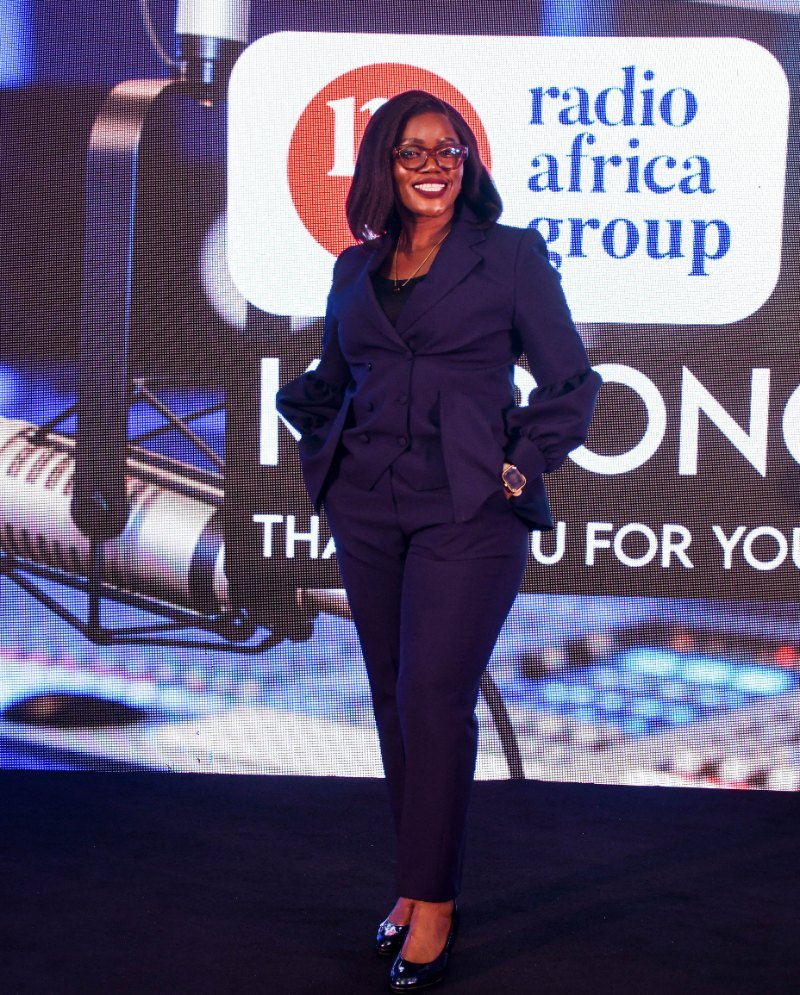
Radio Africa Group HR Manager, Jemima Ngode CHRP (K)
Let me start with a confession.
I once walked into a board meeting in a hurry — mismatched energy, creased jacket, one earring missing. I thought nobody would notice. They noticed. Not because people are cruel, but because human beings are wired to read each other in seconds. Before I said a single word about strategy, retention figures, or organisational culture, the room had already formed an impression.
That day taught me something that no HR textbook ever did: your outfit is your opening statement.
And if we are serious about showing up as strategic business partners — not just the people who onboard staff and plan team building — then it is time we had an honest, fun, and slightly overdue conversation about fashion, dressing well, and why it belongs at the centre of our wellness and culture agenda.
Buckle up. This is the HR op-ed nobody asked for but everyone needed.
First, Let Us Address the Elephant in the Boardroom
There is a peculiar myth that floats around professional spaces — the idea that caring about how you look is somehow shallow. That the truly serious, truly intellectual, truly strategic people are above such superficialities.
Some of the most influential leaders in history have understood the power of personal presentation. They understood that image is not separate from substance — it amplifies substance. You can have the best ideas in the room, but if you walk in looking like you got dressed in the dark, you are already fighting an uphill battle for credibility before you have said a word.
In HR, we understand people. We study behaviour. We craft culture. So surely, surely, we of all people should understand that perception matters — and that we have the power to shape it deliberately.
Science Has Entered the Chat
Let us get nerdy for a moment, because this is not just a feeling — it is backed by research.
Psychologists at Northwestern University coined the term enclothed cognition to describe the systematic influence that clothes have on the wearer's psychological processes. In plain language: what you wear changes how you think, how you feel, and how you perform.
Participants in studies who wore a doctor's lab coat performed significantly better on attention-related tasks than those who did not — even when their actual intelligence was identical. The coat did not make them smarter. It made them feel smarter. And that feeling translated into sharper performance.
Now replace the lab coat with your most polished, well-fitted, intentionally chosen outfit. What does that do for you before a disciplinary hearing? Before a salary negotiation? Before you walk into the CEO's office to present a people strategy?
It tells your brain: I came prepared. I mean business. I am ready.
That is not vanity. That is performance psychology. And HR people, of all people, should be leveraging it every single day.
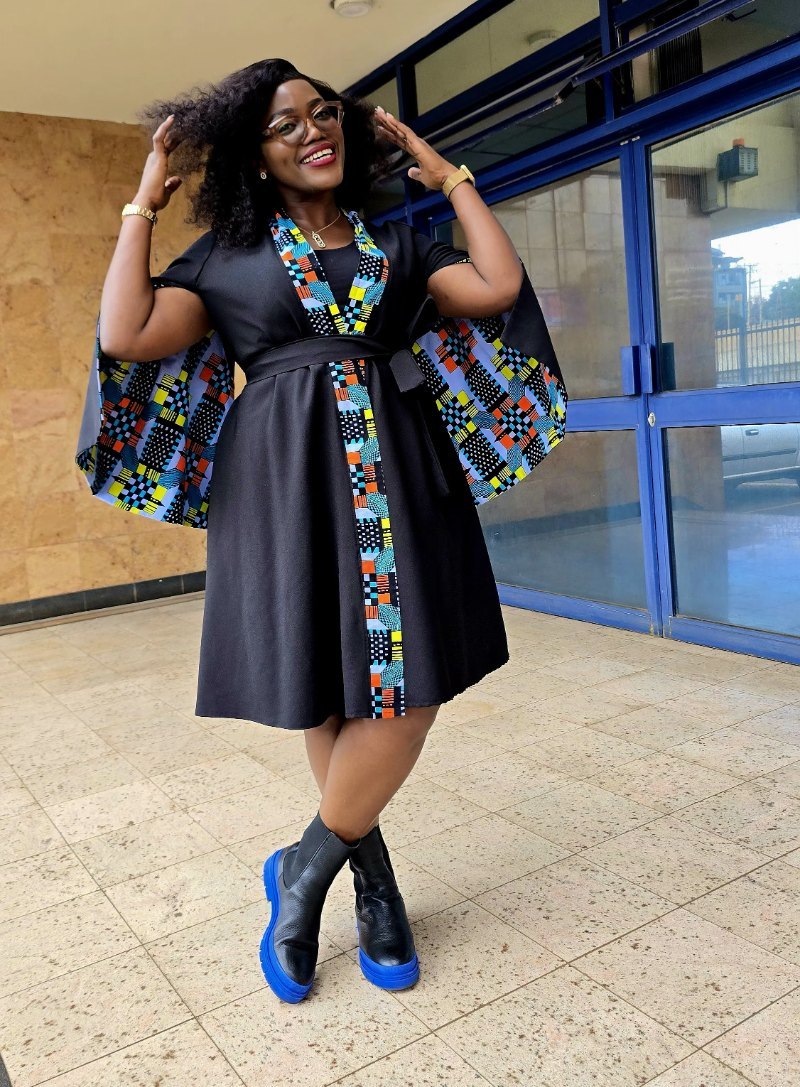
Radio Africa Group HR Manager, Jemima Ngode CHRP (K)
We champion wellness like it is our love language. And rightly so. We push for mental health days, flexible working arrangements, hydration challenges, meditation apps, and fruit baskets in the kitchen. We get wellness.
But here is what we rarely include in the wellness conversation: how we dress affects how we feel, and how we feel affects everything else.
Think about it. When you are going through a rough patch — tired, overwhelmed, uninspired — what happens to your wardrobe choices? You reach for whatever is easiest. The comfortable but shapeless. The clean but uninspiring. And then you arrive at the office already one step behind yourself.
Now flip it. On the days you make the effort — when the outfit is right, the shoes match the energy, and you actually looked in the mirror and liked what you saw — how do those days go? You walk differently. You speak with more conviction. You sit at the table, not hover near the door.
Dressing with intention is an act of self-care. It says: I matter enough to invest in how I present myself to the world. That is wellness. Quiet, powerful, wearable wellness.
The Great Debate: Official Wear vs. Casual Wear — Do We Really Have to Choose?
Ah, here we are. The conversation that has divided office floors, sparked whispered debates in lifts, and caused at least three strongly worded emails to HR every quarter.
Can I wear this on a Friday? Is this too casual for a Monday? What exactly does smart casual mean?
Let us settle this — once and for all — with both honesty and grace.
Official wear is the non-negotiable foundation of professional dressing. The tailored suit. The crisp shirt. The well-structured dress or skirt suit. The polished shoes that say, without a shadow of doubt, I am here to do serious work. Official wear is your armour for board presentations, client meetings, interviews, and any occasion where the organisation's reputation walks in the room with you. It commands respect. It communicates authority. It signals that you understand the weight of the moment.
There is something deeply powerful about a well-worn official outfit. It is not restrictive — it is liberating. When you are dressed for the room, you are not thinking about how you look. You are thinking about what you came to say. That is the gift of dressing with intention.
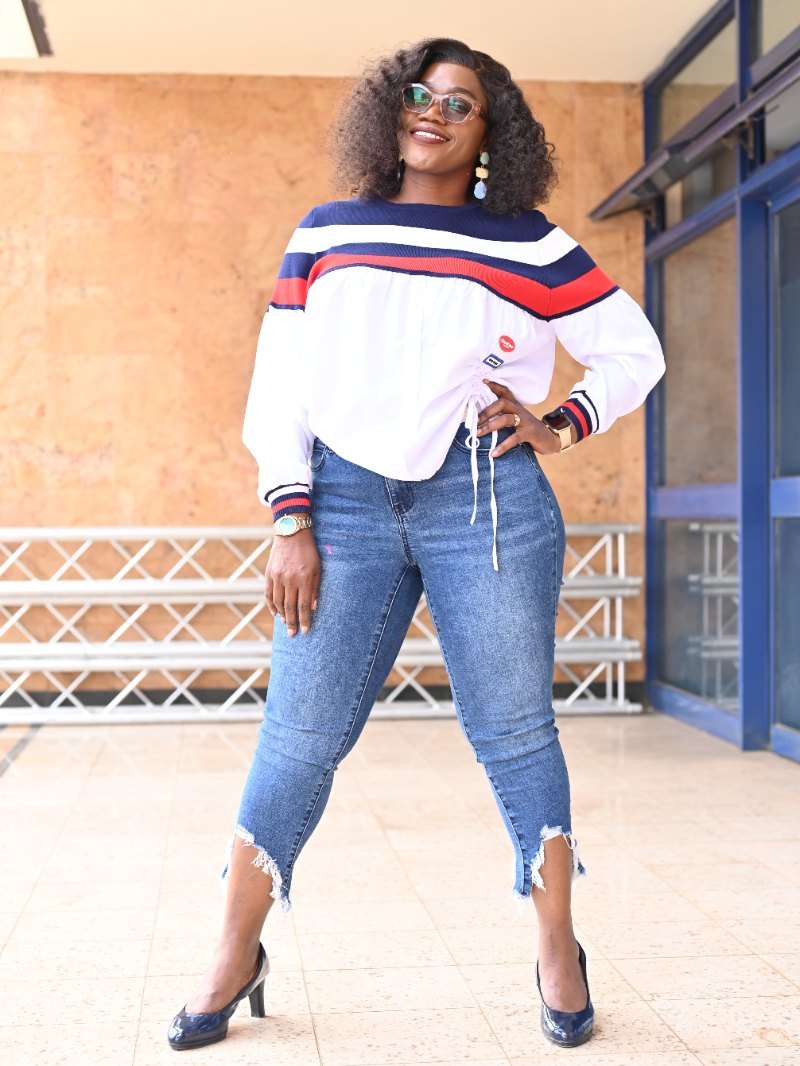
Casual wear, on the other hand, is where personality gets to speak. And
in the modern workplace — particularly on designated casual days — it is an
opportunity that far too many people either take too far or do not take
seriously enough.
Casual does not mean careless. This bears repeating.
Casual does not mean careless.
The ripped jeans that have seen better days, the oversized t-shirt from a music festival in 2019, the flip flops — unless you work at an actual beach resort — are not casual wear.
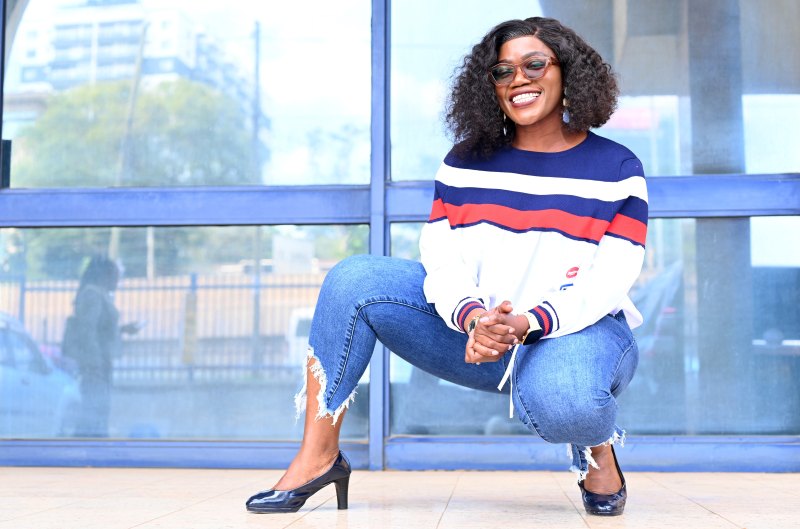
They are a missed opportunity. True smart casual is an art form: the well-fitted chinos paired with a clean polo or blouse, the stylish sneakers that complement rather than clash, the dress that is relaxed in cut but sharp in finish. It says: I am comfortable AND I still came to play.
The magic of casual Friday — or any casual day — is not permission to abandon standards. It is an invitation to show the organisation a different dimension of who you are. Your style. Your personality. Your creative eye. Done well, casual dressing can be just as powerful a professional statement as a three-piece suit.
Knowing Your Moment: The Art of Reading the Room — and the Dress Code
Here is where strategy truly enters the wardrobe.
The most stylish professionals are not necessarily those who spend the most on clothes. They are those who understand context. They know that a client visit calls for official wear, even on a casual Friday. They know that a town hall with the CEO is not the day to test how far the dress code stretches. They know that the office party is still a work event — fun, yes, but professional boundaries still apply.
Reading the room with your outfit is a skill. And like all skills, it gets sharper with practice and intention.
Ask yourself before you get dressed each morning:
- What is on my calendar today?
- Who will I be in front of?
- What impression do I want to leave?
- Does this outfit represent the professional I am
working to become?
These are not shallow questions. They are the questions of someone who takes their career seriously enough to think about every tool at their disposal — including the one hanging in their wardrobe.
The Strategic HR Professional and the Wardrobe That Works
HR professionals are often battling a perception problem. We are seen as the rule enforcers, the policy police, the people who send the emails nobody wants to receive. Breaking through that perception requires deliberate effort — and your personal brand, including your visual brand, is part of that effort.
When you dress with intention and style — whether officially or casually — you signal something important: I am not just administrative. I am executive. You signal that you belong in strategic conversations. That you are a business partner, not a back-office function.
This is not about dressing like someone else. It is about dressing like the most powerful, intentional version of yourself — at every level of the dress code spectrum.
Smart Dressing Is Not a Bank Statement — It Is a Mindset
Before anyone starts calculating wardrobe budgets and panicking, let us be absolutely clear: dressing well has nothing to do with spending a fortune.
Whether official or casual, the most elegant people in any room are rarely wearing the most expensive clothes. They are wearing clothes that fit. Clothes that are clean and pressed. Clothes that have been chosen with thought rather than grabbed in a panic at 7am.
A well-fitted dress from a local market will carry you further than an expensive ill-fitting designer piece ever will. Knowing your colours is your superpower. Understanding what works for your body, your role, and the specific day ahead — whether it is a board day or a casual Friday — is the real luxury.
Dressing well is accessible at every price point. It just requires attention — and that costs nothing.
What Does This Mean for Our Organisations?
When an organisation fosters an environment where people take pride in their appearance — across both official and casual settings — something powerful happens. Pride becomes contagious. People who feel good about how they look tend to feel good about where they work. They carry themselves differently in client meetings. They represent the brand more confidently in every setting.
A well-crafted dress code that honours both official and casual wear is not about control — it is about creating shared standards of excellence that flex with the moment. It says: we value professionalism AND we value you as a whole person. That balance, when struck well, is the hallmark of a truly great workplace culture.
The Bottom Line
Can HR even dress?
Darling, we invented the dress code.
The real question is not whether HR can dress. It is whether we are dressing strategically — with intention, with confidence, and with the full understanding that every outfit — official or casual — is a professional statement.
Fashion is not frivolous. Whether it is a tailored blazer on a Monday or your most stylish smart-casual look on a Friday, how you dress is the armour you choose every morning when you decide what kind of day you are going to have, what impression you are going to make, and what story you are going to tell before you open your mouth.
Dress like you belong everywhere. Because you do.
And press your clothes the night before. Both the official ones and the casual ones. Please.
 Radio Africa Group HR Manager, Jemima Ngode CHRP (K)