The Global South finds itself on the frontline of two
defining challenges of our time: climate change and energy insecurity.
From
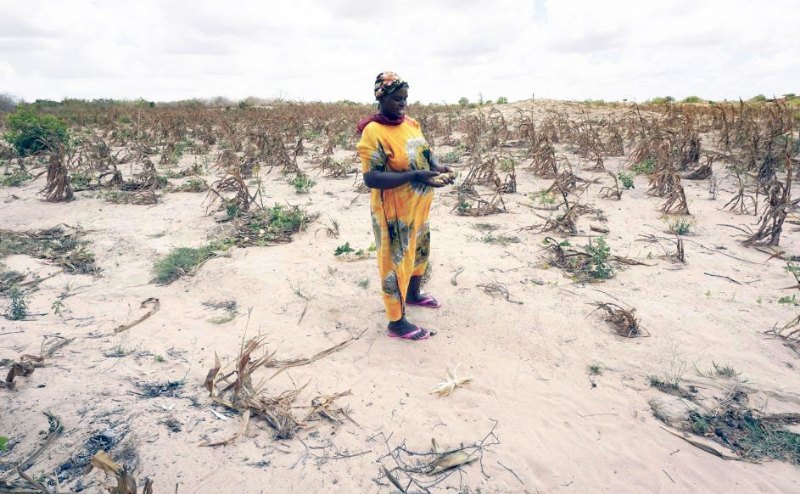
prolonged droughts in East Africa and devastating floods in Asia to recurring
fuel shocks that strain economies and raise the cost of living, developing
countries are bearing burdens they did little to create.
Yet amid these crises
lies an opportunity to reshape the future through multilateralism, South-South
cooperation and a commitment to shared prosperity.
Climate change has emerged as one of the greatest threats to
sustainable development. Extreme weather events are destroying crops,
displacing communities and placing enormous pressure on public finances.
At the
same time, disruptions in global energy markets have exposed the
vulnerabilities associated with dependence on imported fuels, triggering
inflation and undermining economic growth.
For many developing countries, these
interconnected challenges have highlighted the need for more resilient and
diversified pathways to development.
No nation, regardless of size or wealth, can tackle these
issues alone. Climate change knows no borders, and energy insecurity affects
economies far beyond national boundaries.
This reality underscores the
importance of multilateralism. In an increasingly interconnected world,
cooperation rather than confrontation offers the most effective means of
addressing common challenges.
Multilateralism provides a platform for dialogue,
inclusiveness and collective action. It allows countries to pool resources,
coordinate policies and pursue solutions that benefit all parties.
More
importantly, it gives developing nations greater opportunities to amplify their
voices and ensure that international governance reflects the needs and
aspirations of a broader community of nations.
Equally important is the growing role of South-South
cooperation. Countries across Africa, Asia, Latin America and the Pacific share
many common experiences and development priorities.
By strengthening
partnerships among themselves, they can exchange knowledge, technologies and
best practices while reducing vulnerabilities to external shocks.
The principle of mutual benefit should remain at the heart of
these efforts. Cooperation among developing countries is not about dependency
but about partnership.
It is about recognising that progress achieved by one
nation can create opportunities for others. Through win-win collaboration,
countries can harness their collective strengths to build resilience and foster
sustainable growth.
Energy transition presents one area where such cooperation
can deliver substantial benefits. Developing nations possess abundant renewable
resources, including solar, wind and geothermal potential.
Through joint
investments, technology exchanges and capacity-building initiatives, countries
can accelerate the shift toward cleaner and more affordable energy systems.
Such efforts would not only reduce exposure to volatile fuel markets but also
contribute to climate goals while creating jobs and expanding economic
opportunities.
Food security is another area where solidarity can make a
meaningful difference. Climate-smart agriculture, improved irrigation
techniques and the exchange of scientific expertise can help communities adapt
to changing environmental conditions.
Sharing successful experiences and
innovations among developing countries can strengthen resilience and ensure
that no nation faces these challenges alone.
Regional connectivity and infrastructure development are
equally critical. Enhanced transportation networks, digital infrastructure and
cross-border trade corridors can stimulate industrialisation and deepen
economic integration.
Greater connectivity within the Global South can help
diversify markets and strengthen supply chains, making economies more resilient
in the face of external disruptions.
Importantly, the pursuit of development should not be viewed
through the lens of zero-sum competition. Prosperity need not come at the
expense of others.
A world characterised by openness, inclusiveness and mutual
respect offers greater opportunities for all. Win-win cooperation provides a
foundation for addressing shared challenges while promoting common development
and lasting stability.
The international community also has a responsibility to
support climate action and sustainable development. Developed countries should
fulfil their commitments and contribute to creating a fair and equitable
framework for global cooperation.
However, developing nations need not wait
passively for solutions to emerge elsewhere. They possess vast resources,
youthful populations and immense innovative potential that can be harnessed
through stronger partnerships and collective action.
The resilience displayed by countries across the Global
South demonstrates that adversity can become a catalyst for transformation.
Crises often expose weaknesses, but they also reveal opportunities for
innovation and cooperation. B
y embracing multilateralism and strengthening
South-South ties, developing nations can turn vulnerability into strength and
uncertainty into progress.
At a time when the world faces growing fragmentation and
complex global challenges, solidarity remains more important than ever. The
future should not be defined by division or narrow interests but by a shared
commitment to peace, development and common prosperity.
Through dialogue,
mutual trust and win-win cooperation, the Global South can chart a path toward
sustainable modernisation and contribute to building a more inclusive and
balanced international order.
In confronting climate change and energy insecurity, the
lesson is clear: shared challenges require shared solutions.
By working
together and upholding the principles of multilateralism and South-South
cooperation, developing countries can not only weather the storms of today but
also lay the foundations for a more resilient and prosperous tomorrow.
Journalist and communication consultant