


 Maasai
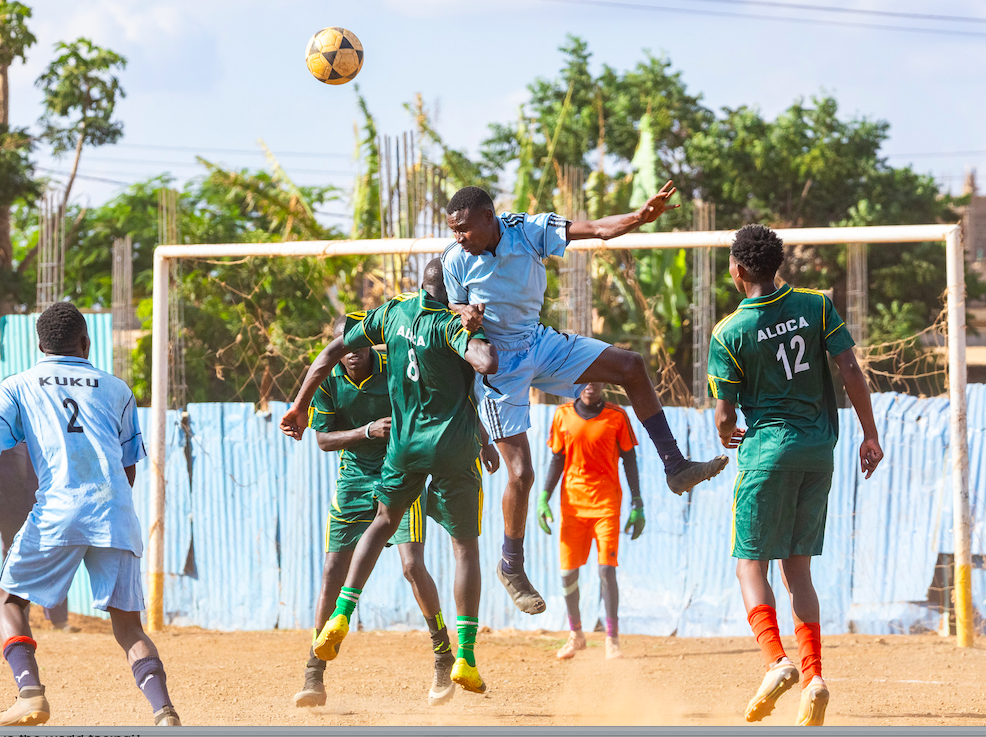
morans during
a football
tournament
/GILBERT KOECH
Maasai
morans during
a football
tournament
/GILBERT KOECHMany years ago, young Maasai morans
poured their strength, pride and bravado into hunting lions — a centuries-old
rite of passage that defined courage.
Today, the same energy is being
channelled into something very different – football.
What started as a cultural shift
driven by conservation has now evolved into a powerful movement, with football
emerging as the newest frontier.
Last weekend, four teams from the
greater Amboseli landscape — Rombo, Kuku, Eselenkei and Aloca — battled for
glory in the finals of the 2025 Maasai Football League.
The fast-rising community league,
created by Big Life Foundation as an extension of the Maasai Olympics, is
transforming how young men interact with wildlife and conservation.
Launched in 2019 as an experiment
in behaviour change, the league has grown into one of Amboseli’s most effective
tools for reducing human–wildlife conflict.
As the matches played out this
year, they did so against a backdrop of stunning conservation gains. Lion
killing across the ecosystem has fallen to near zero.
Lion numbers, once on the brink of
collapse — just 20 or so two decades ago — have rebounded to an estimated 250.
Elders and conservationists credit
the shift to deeply rooted, culturally relevant programmes such as the Maasai
Football League and the Predator Compensation Fund, which reward coexistence
and provide alternatives to retaliatory killings.
“This is an incredible day, and we
have a lot to celebrate,” said Big Life Foundation Executive chairman Richard
Bonham. “The Maasai Olympics was created to change the mindset of warriors and
discourage killing of lions, and it has been incredibly successful. In 2002,
there were only about 25 lions left in the entire Amboseli ecosystem. Today
they are between 250 and 300 — largely because of these young men, the morans,
who have chosen to stop killing lions. To see them embrace conservation like
this is inspiring.”
For generations, morans were the
first responders whenever lions attacked livestock — often with fatal
consequences for the predators.
Today, the football league is
shifting that narrative, offering a structured, competitive outlet that keeps
youth engaged while reinforcing positive conservation behaviour.
It has also become an important
social tool, helping steer young people away from drugs, crime and destructive
lifestyles.
“Many of these young morans once
viewed lion hunting as a mark of bravery,” said Samuel Kaanki, Maasai Olympics
and Moran Education Coordinator at Big Life Foundation.
“Now, they stand on the pitch as
conservation champions. Through football, we teach them about land use,
respecting grazing plans and understanding the ecosystem that supports both
people and wildlife.”
In the end, it was Kuku who lifted
the title, edging out Aloca with a lone goal at the finals held at Christ the
King playground in Kimana, Loitokitok District.
Captain David Suyianka said the
lessons learned went far beyond football. “Big Life supported us fully and
ensured we could travel and participate.
Through this tournament, we now
understand that the lions and elephants on our land are part of our shared
resources, not enemies to be hunted. Football has taught us that wildlife
deserve protection just like our cattle. We are proud to be champions on the
field and champions for conservation.”
As the league draws more teams and
supporters each year, it is quickly becoming a model of how community-led,
culturally grounded initiatives can drive long-term conservation success.
By replacing lion hunting with organised sport, Big Life Foundation and its partners are not only safeguarding Amboseli’s wildlife but also creating new opportunities and new identities for young Maasai men — turning former hunters into guardians of the ecosystem they once fought.