Grandmas who stayed: Raising kids the world tried to reject
For many families, a child born with a cleft lip or palate faces more than a medical condition
by FAITH MATETE
Audio By Vocalize
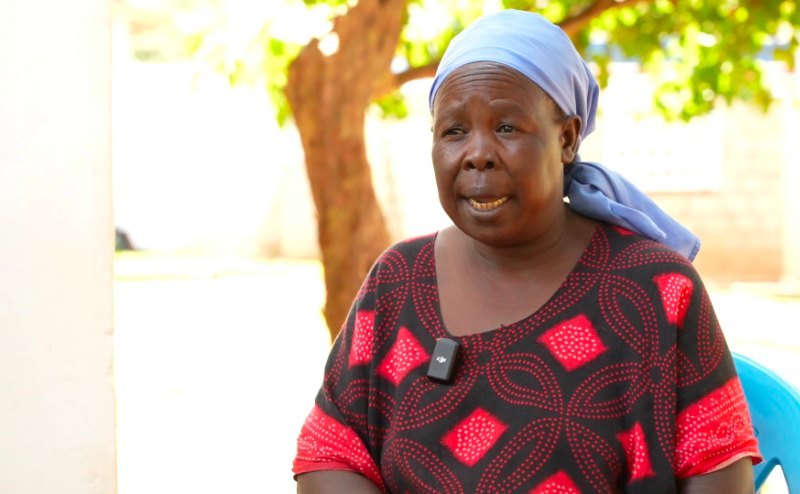
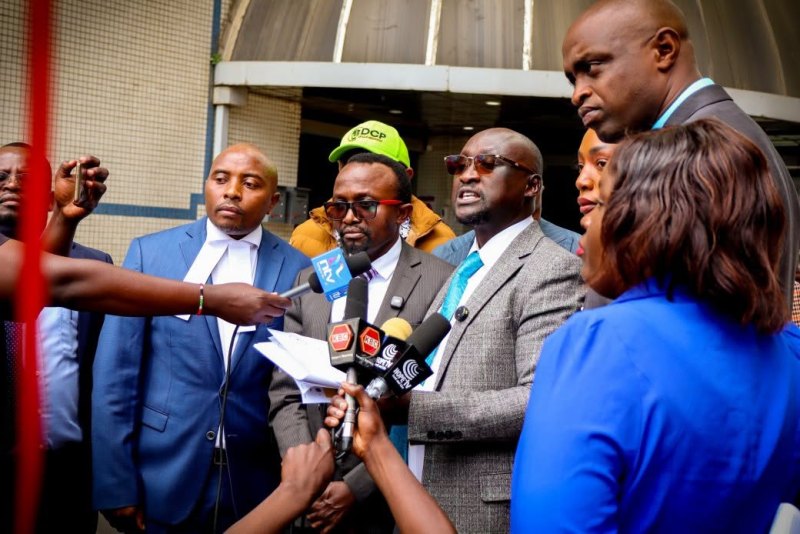
Eunice Nanjala addressing the media at IcFEM Dreamland mission hospital in Bungoma/Faith Matete
The first thing Eunice Nanjala remembers is the silence.
Moments after her granddaughter was born, the room that should have been filled with joy grew quiet.
Relatives exchanged uneasy glances. The baby had been born with a severe cleft lip and palate.
Instead of congratulations, there were whispers. Then came something even harder to bear. The child's mother rejected her.
Today, seated beside 12-year-old Esther Nekesa at the Inter-Christian Fellowships Evangelical Missions (IcFEM) Mission Hospital for treatment, Eunice reflects on a journey marked by heartbreak, stigma and resilience.
To Esther, the grandmother from Chwele in Bungoma county is more than family.
She is the woman who became a mother when others walked away.
"When Esther was born, even her mother did not want her," Eunice says quietly, adding that people were shocked.
They didn't know what had happened.
For many families across Kenya, a child born with a cleft lip or palate faces more than a medical condition.
The birth often triggers fear, blame and stigma rooted in myths that have survived for generations.
Mothers are accused of wrongdoing. Families search for explanations in curses, witchcraft or divine punishment. Some children are hidden from visitors. Others are abandoned before they have a chance to experience the love every child deserves.
Eunice understands that reality better. This was not the first time she watched a family struggle to accept a child born with cleft.
More than three decades ago, she gave birth to a son with the same condition.
The experience nearly tore her family apart.
"My husband rejected him.He had never seen a child like that. He could not understand what happened," she recalls
The rejection she says was painful and public. Neighbours talked. Relatives offered opinions. Some suggested explanations that made little sense. Others simply kept their distance.
At a time when she needed support, Eunice found herself defending her child and herself.
"It was very difficult," she says.
"I cried a lot."
The tension in her home became so severe that elders were forced to intervene.
They reminded her husband that another member of the extended family had once been born with the condition.
Slowly, understanding replaced fear and the family eventually accepted the child. Life moved on or so Eunice thought.
Years later, history returned to her doorstep.
When Esther was born with cleft, old memories resurfaced.
The same fear, same confusion, same judgement.
Then another grandchild, Enos, was born with the condition. The children's parents struggled to cope. Eventually, they left.
"Their mother rejected them. Their father also left, rarely visits", Eunice says.
Suddenly, she found herself starting over. At an age when many women are looking forward to enjoying time with their grandchildren, Eunice became a mother once again.
She fed them, clothed them, comforted them through illness and accompanied them to countless hospital appointments.
She learned about surgeries, feeding techniques and follow-up care. Most importantly, she stayed.
The burden was not only financial. It was emotional.
Recently, Esther told a friend she could never love her mother because she had abandoned her and her younger brother. The words cut deeply.
For Eunice, it was a painful reminder that while surgery can repair a cleft, it cannot easily heal the wounds left by abandonment.
"It hurt me when I heard her say that," Eunice admits, adding that she understood why she felt that way."
Despite everything, Esther is determined not to let her past define her future. She enjoys school and dreams of building a successful life.
When asked about her grandmother, she smiles shyly.
"She takes care of us," she says.
"She has always been there for us." Now growing in confidence, Esther says she wants to build a future that will make her grandmother proud.
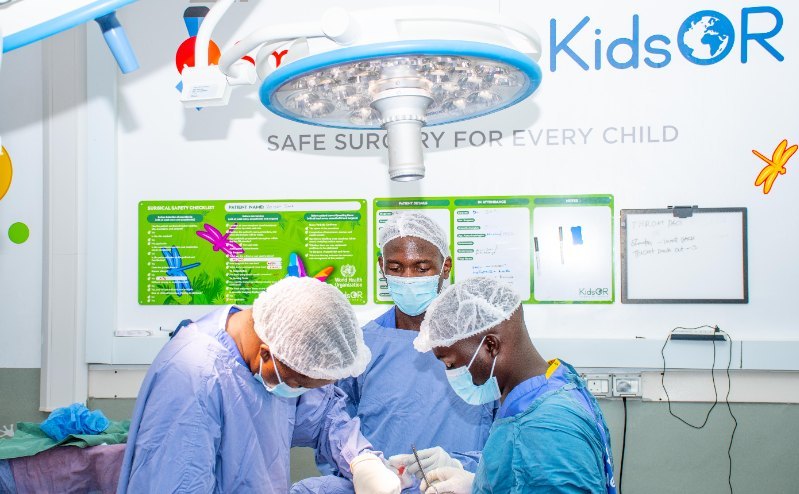
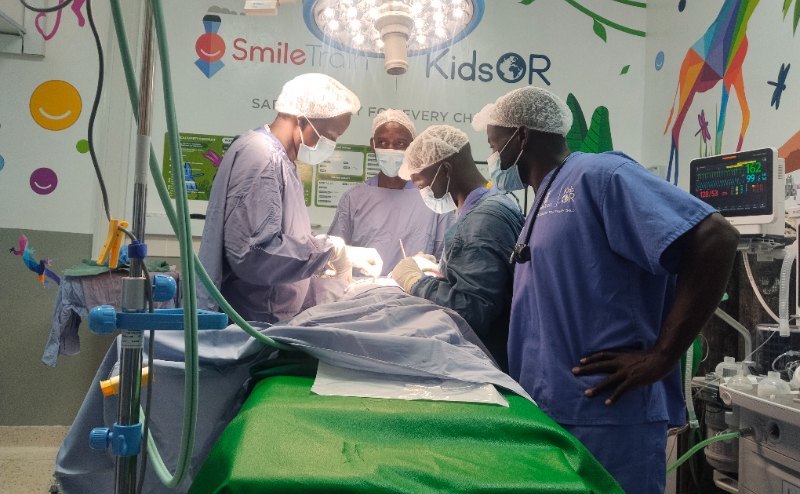
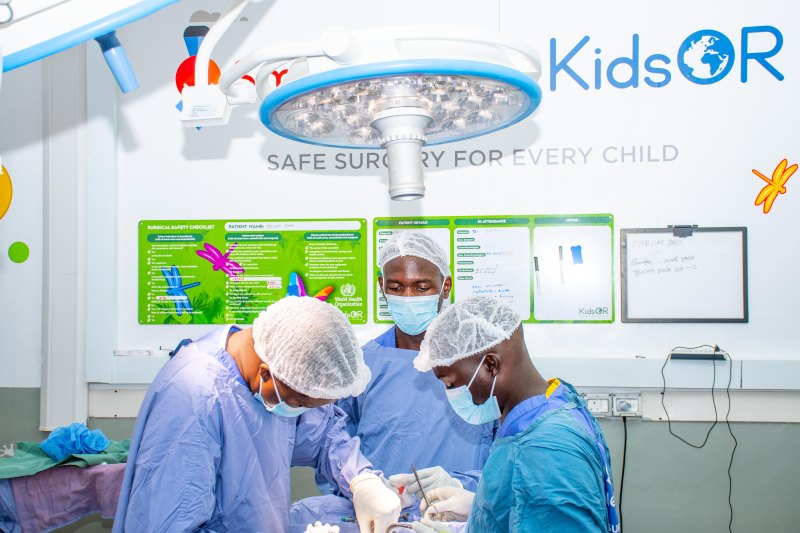
Ongoing cleft palate surgery at IcFEM Dreamland mission hospital in Bungoma /Faith Matete
A few metres away at the same hospital, another grandmother tells a story that sounds strikingly familiar.
When Violet Osang'ir's grandson Luis was born, she remembers feeling confused and frightened.
She had never seen a child born with cleft before. Neither had many people in her village.
The reaction was immediate. Neighbours came to look at the baby. Some whispered. Others openly questioned what kind of child he was.
"It felt like everyone was staring," Violet recalls.
Even inside her own home, acceptance did not come easily.
"My husband rejected him at first," she says.
The strain placed enormous pressure on the family. The child's mother eventually left. Like Eunice, Violet suddenly found herself carrying responsibilities she never expected.
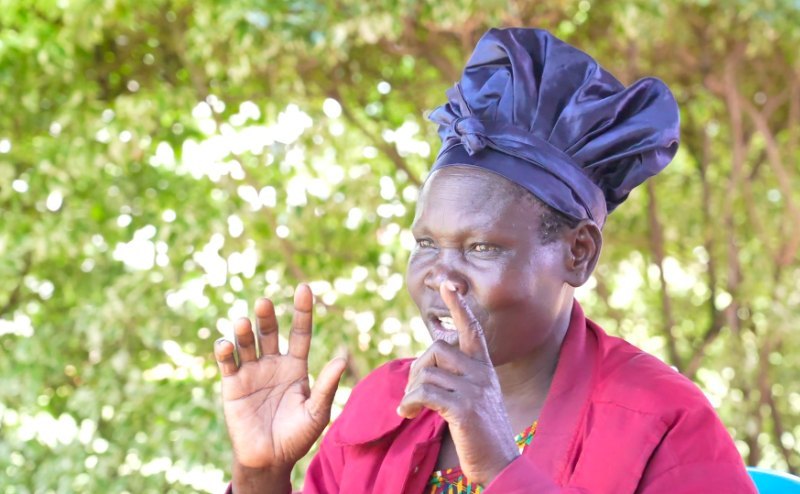
Violet Osang'ir whose grandson was operated on at the IcFEM Dreamland Mission Hospital in Bungoma/FAITH MATETE
For months, she covered the baby's face whenever they went out in public.
She was trying to shield him from the stares and comments that followed them wherever they went.
"People would keep looking at him. Sometimes they would ask things that hurt."
Yet she refused to give up.
"I kept telling everyone that this child would become somebody important one day," she says.
Her determination carried the family through surgeries, recovery and countless hospital visits.
Today, Luis is an energetic two-year-old who spends most of his time running around and exploring everything within reach.
"The face is okay now," Violet says proudly.
"He is a handsome boy."
Stories like those of Eunice and Violet reveal a reality that often goes unnoticed.
According to Smile Train, an estimated 200,000 babies are born with cleft conditions globally every year, and a child is born with a cleft lip or palate every three minutes somewhere in the world.
In Kenya, an estimated 1,200 children are born with clefts annually, making the condition one of the country's most common birth defects.
Yet despite advances in treatment, many families continue to face stigma, misinformation and barriers to accessing care.
Ongoing cleft palate surgery at IcFEM Dreamland Mission Hospital in Bungoma /Faith Matete
Since 2002, Smile Train’s scalable ‘teach a person to fish’ model has transformed the lives of more than 14,000 cleft-affected individuals.
The organisation has also invested in strengthening Kenya's health system through training health workers, supporting infrastructure development and helping patients access free cleft treatment closer to their communities.
Smile Train’s model of partnerships has brought safe and high-quality comprehensive cleft care including surgery, nutrition, speech therapy and orthodontics closer to vulnerable communities in need of cleft care.
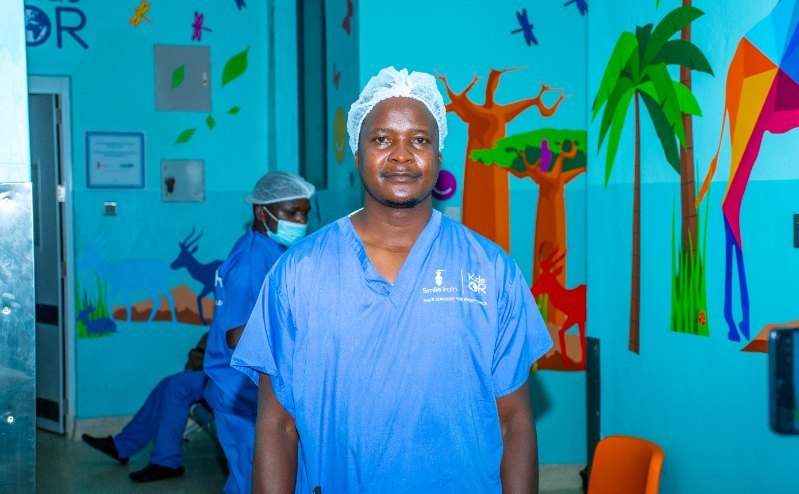
Dr Stephen Bati, a maxillofacial surgeon at IcFEM Dreamland Mission Hospital in Bungoma /Faith Matete
Despite this progress, experts say many children are still diagnosed late, particularly in rural areas where awareness remains low and myths surrounding the condition persist.
Dr Stephen Bati, a cleft surgeon, says misinformation remains one of the biggest obstacles to treatment.
“We need to demystify myths, because in our society, many people still think being born with a birth defect could be as a result of witchcraft or as a result of other men. And in that case, we've seen a number of marriages break because a child is born with cleft lip and palate,” he said.
Bati said they have seen women or mothers run away, leaving children with their grandmothers to take care of.
“I think we need to mention that cleft lip and palate is not witchcraft, it's not a bad omen, it's not bad luck, it's just like any other birth defect that can come."
"And the pleasure of it all is that it can be corrected. So, one does not need to lose hope or become too dejected when they give birth to such children, because those children can live normal lives with other food, and can be productive in the society, just like any other children”.
Bati said the most important, when one gives birth to such children, then they should take them to the hospital and then be guided how they can be corrected.
In society, almost 10 children in around 1,000 live births we see with the cleft lip or cleft palate, especially in low socioeconomic groups.
“So here we are at Dreamland hospital, where we offer the service of cleft lip or cleft palate, sponsored by Smile Train. This is one of their centres among many other centres in the country and beyond”.
He said they are glad to receive those children and offer a range of treatment.
“It's not only surgery. These children need nutritional advice, which they get from our nutritionists. These children sometimes can't speak well. They need speech therapists and we have a speech therapist with us that trains them how to talk or articulate certain words properly before and after surgery. So, we are glad to have the opportunity to offer this to our society”.
He explains that cleft occurs when parts of the lip or palate fail to join properly during pregnancy.
Genetics may play a role in some cases, while nutritional and environmental factors can contribute in others.
For many children, the greatest challenge is not the condition itself but society's response to it.
Some parents hide children at home because they fear being judged. Others postpone seeking medical help because they believe the condition is supernatural.
The result is that children who could be treated early often wait months or years before receiving help.
For caregivers, the emotional burden can be overwhelming.
"It hurts when people look at the child and see a problem instead of a person," Eunice says.
Yet amid the hardship, stories of resilience continue to emerge.
Both Eunice and Violet have spent years proving that children born with cleft deserve the same opportunities as every others.
Today, Esther talks confidently about her future. Enos is growing stronger and healthier.
Luis runs through hospital corridors laughing, unaware of the fears that surrounded his birth.
Watching them, becomes clear that their stories are about much more than surgery.
They are about acceptance. They are about family. They are about the extraordinary strength of women who refuse to abandon children when circumstances become difficult.
Eunice now spends much of her time encouraging other parents not to hide children born with cleft.
"Take them to the hospital. Give them a chance. They are just children like any other," she says.
Violet agrees saying children born with cleft should never be thrown away.
"People wanted to throw this one away, but I stood my ground."
As afternoon sunlight filters through the ward, Esther joins a group of children playing nearby.
Across the room, Luis plays with a toy, his laughter filling the space.
Neither child seems burdened by the labels that once threatened to define them.
And perhaps that is because they were fortunate enough to have someone who stayed. Someone who chose love over shame. Someone who looked beyond the scar and saw the child. When others walked away, their grandmothers remained.
And in staying, they changed the course of their lives.
This is premium content
Subscribe to Continue Reading
Help us continue bringing you unbiased news, in-depth investigations, and diverse perspectives. Your subscription keeps our mission alive and empowers us to provide high-quality, trustworthy journalism. Join us today to make a difference!