
UN secretary-general Antonio Guterres’ Personal Envoy for Sudan, Pekka Haavisto, has defended Kenya’s continued role in efforts to end the Sudan conflict.
This is despite accusations from Sudan’s military leadership that Nairobi has tilted towards the Rapid Support Forces, which it hosted in Nairobi in February last year.
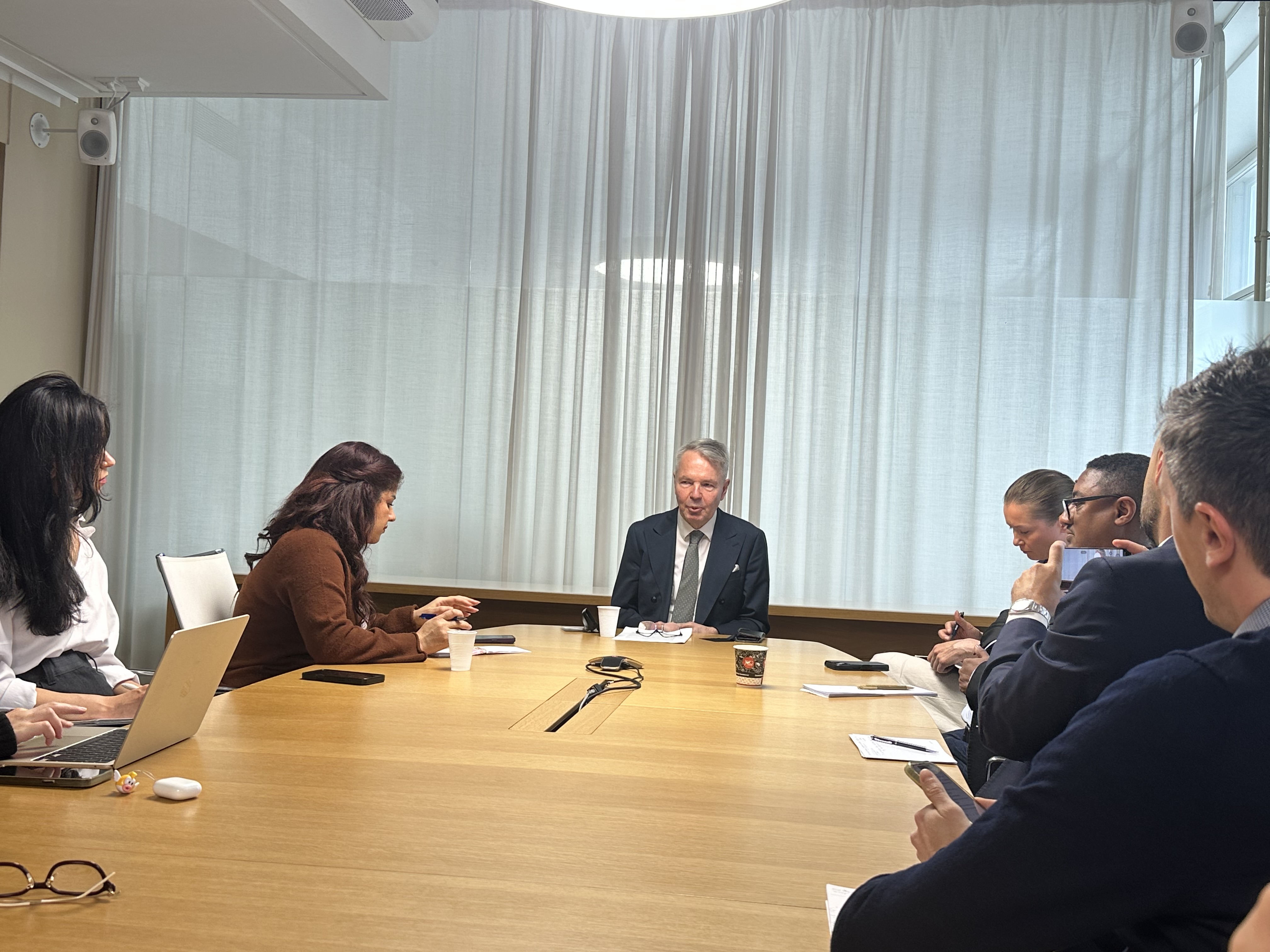
Speaking during an interview in Helsinki, Haavisto acknowledged the growing controversy surrounding Kenya’s involvement in Sudan mediation efforts but insisted Nairobi and the Intergovernmental Authority on Development could still play a constructive role in peace negotiations.
The remarks come amid sustained criticism from Sudan Armed Forces leader General Abdel Fattah al-Burhan, who has previously accused President William Ruto’s administration of being sympathetic to the RSF and facilitating meetings linked to the paramilitary group in Nairobi.
The tensions contributed to strains in the Igad-led mediation process, with Sudan at one point expressing reservations about Kenya’s role.
However, Haavisto said Kenya remained an important diplomatic and logistical hub for Sudanese political actors, refugees and peace engagements.
“I think Igad and these countries surely could have a positive role also in the peace efforts,” he said.
The Finnish diplomat revealed he had held several meetings in Nairobi with Sudanese political actors and armed groups, including leaders from the Sudan Liberation Movement.
Haavisto also noted that Kenya and South Sudan continue hosting significant numbers of Sudanese refugees and political activists displaced by the war.
The UN envoy further stressed that neighbouring countries must remain part of the peace process because of the regional impact of the conflict, including refugee flows, insecurity and cross-border instability.
His remarks are likely to revive debate over Kenya’s regional diplomacy and Ruto’s role in the Sudan crisis at a time when Nairobi is increasingly positioning itself as a regional mediator in African conflicts.
Below are excerpts of the interview.
Q: The United States and the international community have repeatedly said the Sudan war has been complicated by foreign involvement. What role are neighbouring countries playing?
Neighbouring countries are playing a key role. On one hand, they are victims of the conflict because they are carrying huge refugee burdens. On the other hand, neighbouring countries can also become routes for trafficking, whether weapons trafficking or illegal economic activities. That is why it is important that neighbouring countries are part of the peace talks and part of the solution.
Q: Reports have accused Kenya and the UAE of facilitating the RSF. How are you dealing with these allegations?
We follow reports produced by UN fact-finding missions and other credible sources. Regarding Igad, I have been in regular contact with its executive secretary. Kenya and South Sudan have previously played important roles in Sudan peace efforts and could still play constructive roles.
Both Kenya and South Sudan are hosting large numbers of Sudanese refugees and political actors. I have met many Sudanese groups in Nairobi, including Abdelaziz al-Hilu and Abdel Wahid al-Nur of the Sudan Liberation Movement.
Q: Do you have evidence of foreign weapons trafficking into Sudan?
We follow media reports and information from governments and other sources, but I cannot go into details because we are receivers of information rather than investigators ourselves. Other UN bodies monitor issues such as the Darfur arms embargo and atrocities committed during the conflict.
Q: The Quartet has at times been accused of bias by both sides. Should it be expanded?
What I tell Quartet members is that they are among the powers that can guarantee Sudan’s future security arrangements. From the UN perspective, when the Quartet and Quintet cooperate effectively, it becomes easier to advance the peace process.
Q: Can there still be peace if the RSF continues to operate?
One thing many parties agree on is that Sudan should transition from military rule to civilian rule. That is why we are trying to strengthen the civilian component through meetings involving civil society and political parties.
I have discussed directly with both General Burhan and General Hemedti the need to move towards civilian government.
Q: Why does the United Nations seem unable to resolve major conflicts today?
The UN can only act effectively when there is a clear Security Council mandate. That said, I must defend the UN because there are many highly capable and dynamic people working on Sudan. I still believe that, sooner or later, solutions can be found.