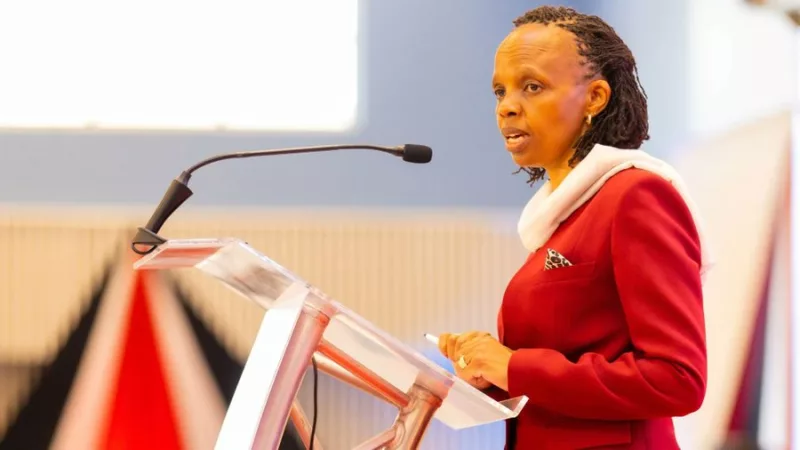
Controller of Budget Margaret Nyakang’o has revealed that
the pattern plays out across ministries, departments and agencies.
In her latest report covering the first nine months of the
2025-26 financial year, Nyakang’o said the mandatory adoption of the Electronic
Government Procurement System (e-GP) has posed operational and technical
challenges.
She says in the report, which covers the period between July
1, 2025 and March 31, 2026, that the system has hampered procurement processes
and affected budget execution
The Controller of Budget says delays in the
procurement of goods and services were among the key factors that undermined
budget implementation during the review period.
"A review of key performance indicators from financial
and non-financial reports submitted to the office by MDAs as at March 31, 2026
indicates that some budgeted activities were lagging," the report states.
The delays were largely linked to the government's directive
requiring all ministries, departments and agencies to use the e-GP platform
from July 1, 2025.
The electronic procurement platform was introduced as part
of reforms aimed at enhancing transparency, efficiency and accountability in
government spending by moving tendering and contract management processes
online.
However, while the system is expected to streamline
procurement and reduce opportunities for corruption, Nyakang’o notes that its
implementation has not been without challenges.
Among the major concerns raised by ministries and agencies
is inadequate technical capacity among users and a steep learning curve for
both government officers and suppliers.
Many procurement officers and suppliers are still struggling
to navigate the new platform, resulting in delays at various stages of the
procurement cycle.
The Controller of Budget also highlighted a critical gap in
the integration of the system.
It emerged that the e-GP platform has not yet been fully integrated
with the Integrated Financial Management Information System (IFMIS), which
manages government finances.
As a result, procurement transactions initiated through the
e-GP platform are not automatically linked to budget commitments.
"For example, once a Local Purchase Order has been
created, the e-GP system does not commit funds because it is not integrated
with IFMIS," the report says.
The disconnect between the two systems has created
additional administrative hurdles and slowed the processing of procurement
transactions.
The report further identifies delays in approvals within the
procurement workflow as another bottleneck.
Users reported that approvals at different stages of
procurement often take longer than expected, slowing the award of tenders,
contract signing and the acquisition of goods and services.
Low supplier participation on the platform has also emerged
as a challenge.
The report says some government entities have
reported weak responsiveness from suppliers to tenders and requests for
quotations published through the e-GP system.
This has affected competition and delayed the conclusion of
procurement processes in some institutions.
In addition, intermittent network outages and system
performance challenges have affected accessibility and disrupted transaction
processing.
The Controller of Budget says users have also complained
about delays in resolving technical issues once they are reported, further
affecting procurement timelines.
The findings come at a time when the government is pushing
for greater digitisation of public services and tighter controls on public
spending.
Procurement remains one of the largest areas of government
expenditure and has historically been vulnerable to inefficiencies, wastage and
corruption.
The challenges associated with the e-GP rollout have
contributed to broader concerns over budget implementation during the financial
year.
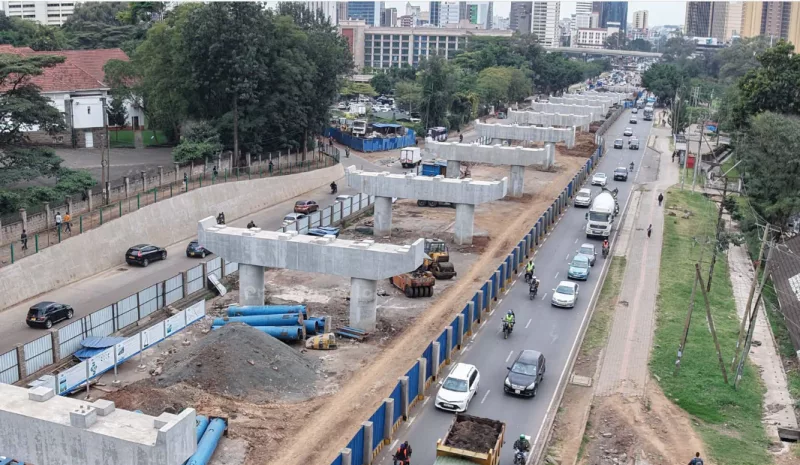
Nyakang’o identified delays in procurement, stalled
multi-year projects, accumulation of pending bills and increased use of
supplementary budgets among the major issues affecting implementation of
government programmes.
To address the procurement challenges, the Controller of
Budget has recommended targeted capacity-building programmes for public
officers involved in procurement.
She said training should focus on critical stages of the
procurement process, including opening of quotations and tenders, evaluation,
contract preparation and receipt of goods and services.
Nyakang’o also called for intensified sensitisation of
suppliers to improve participation and responsiveness on the digital platform.
"Training should also focus on change management to
curb resistance from key stakeholders," the report states.
The Controller of Budget further urged the National Treasury
to provide continuous technical support and fast-track measures aimed at
ensuring full implementation of the e-GP system.
According to the report, addressing the current challenges
will improve procurement efficiency, reduce delays and support timely
implementation of government programmes and development projects.
"The National Treasury should offer
continuous technical support to ensure the full implementation of the system.
This will enhance procurement efficiency, enabling the timely implementation of
planned activities," Nyakang’o said.













![[PHOTOS] UHC staff protest contract renewal delays](https://cdn.radioafrica.digital/image/2026/07/24d38f7f-4dbd-42e5-8810-61f3c56490b3.webp)