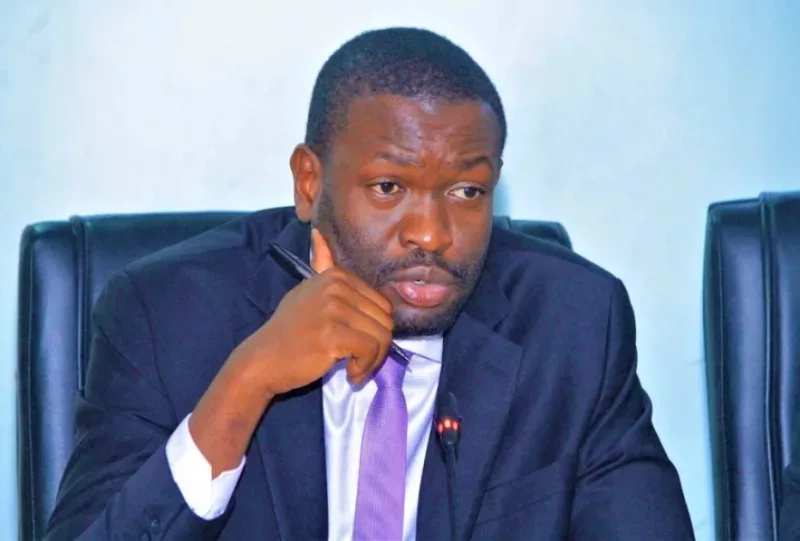
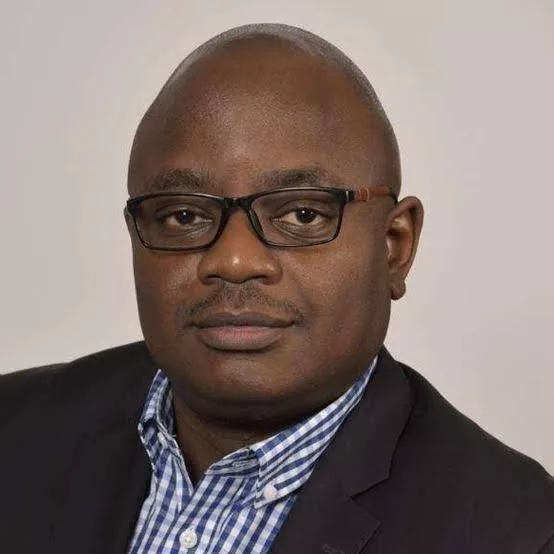
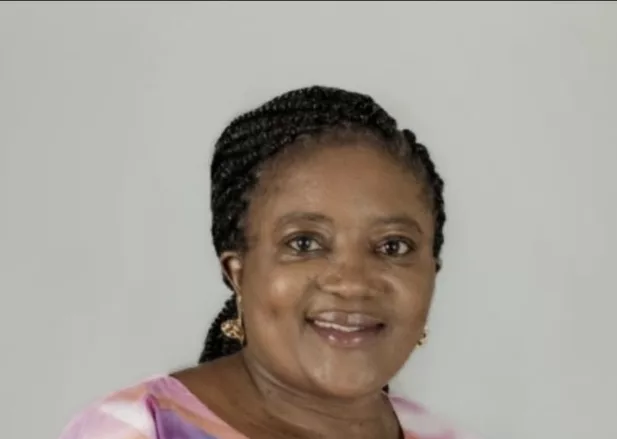
DCP candidate Sammy Douglas Kamau Waweru won the seat with 35,440 votes, trouncing United Democratic Alliance (UDA) candidate Samuel Muchina Nyagah, who garnered 5,450 votes.
The remaining seven candidates each received fewer than 200 votes in a contest that recorded a voter turnout of 57 per cent.
For Gachagua and his allies, the landslide victory was more than just another by-election win. It was presented as evidence that he has tightened his grip on the politically influential Mt Kenya region, whose overwhelming support propelled Ruto to the presidency in 2022.
UDA, however, insists the result should not be mistaken for a forecast of the next General Election, arguing that one constituency cannot outweigh broader national voting trends.
The contrasting interpretations have raised a key political question: can Gachagua convert his dominance in Ol Kalou into a nationwide coalition capable of denying Ruto a second term?
Why the Ol Kalou victory matters
The Ol Kalou victory was significant for DCP for several reasons.
Besides delivering the party its first parliamentary seat, the result came in Nyandarua county, part of the vote-rich Mt Kenya region where Gachagua has invested heavily in consolidating political support since his fallout with Ruto.
The victory also reinforced Gachagua's argument that he remains the region's most influential political figure despite his removal from government and the sustained campaign by UDA to retain its dominance in central Kenya.
Celebrating the victory, Gachagua described the result as another milestone in building a formidable opposition movement.
"I have been struggling with 18 soldiers but with great results; now I have 19. Things will be much better," he said, referring to lawmakers allied to the united opposition.
He later thanked Ol Kalou voters for what he termed an emphatic endorsement.
"I feel proud and elated to be the leader of such patriotic people who remain loyal to their rights and dignity," he said.
The by-election also handed Gachagua a symbolic victory over his former political ally, with DCP defeating the ruling party by nearly 30,000 votes despite an intensive UDA campaign to retain the seat.
Mt Kenya's importance in 2027
The significance of the Ol Kalou outcome extends beyond the constituency itself.
In the 2022 General Election, Mt Kenya emerged as one of the decisive battlegrounds in the presidential race.
The region delivered about 3.5 million votes to Ruto, accounting for nearly half of the 7.17 million votes that secured his victory.
Much of that support was attributed to Ruto's alliance with Gachagua, who served as his running mate and became the face of the Kenya Kwanza campaign across much of the region.
Should Gachagua retain significant influence in Mt Kenya while leading the opposition into the next election, Ruto could face the challenge of replacing a substantial portion of those votes elsewhere in the country.
The Ol Kalou outcome has therefore strengthened claims by Gachagua's allies that the political tide in the region is shifting.
Nyandarua Senator John Methu argued that the result reflected more than dissatisfaction with UDA, saying even the votes secured by the ruling party's candidate were influenced by local considerations rather than party popularity.
"It was just because he is our son. If you want to know, call for another by-election and we will show you who we are. If it were you on the ballot, you'd have gotten zero. The people of Mt Kenya have spoken," Methu said.
For DCP supporters, the Ol Kalou victory provides fresh evidence that Gachagua retains the ability to mobilise voters in a region that remains central to any successful presidential campaign.
Whether that regional strength can be translated into a national victory, however, is a far more complex question.
One constituency versus a national election
Despite the emphatic victory in Ol Kalou, DCP's broader electoral record suggests the road to State House remains steep.
Of the 10 parliamentary and senatorial by-elections held across the country in recent months, DCP has won only one seat — Ol Kalou.
UDA secured six victories, capturing the Baringo senatorial seat and the parliamentary seats for Malava, Banissa, Mbeere North, Isiolo South and Emurua Dikir.
Its broad-based government partner, ODM, won the remaining three contests in Ugunja, Magarini and Kasipul.
The results suggest that while DCP has demonstrated growing strength in parts of Mt Kenya, UDA continues to enjoy a much wider national electoral footprint.
The contrast also illustrates the difference between a constituency by-election and a presidential election.
Unlike parliamentary contests, presidential races are decided by broad national coalitions, regional voting blocs and constitutional thresholds requiring a candidate to secure more than half of all votes cast and at least 25 per cent of the votes in more than half of Kenya's counties.
That means commanding support in one region, however significant, does not by itself guarantee victory at the ballot.
UDA dismisses DCP's momentum
UDA leaders have as such dismissed suggestions that the Ol Kalou result points to an opposition victory in 2027.
Health Cabinet Secretary Aden Duale said the outcome of the recent by-elections reaffirmed UDA's position as the country's dominant political party.
He noted that winning six of the 10 contests demonstrated continued public confidence in the party despite the defeat in Ol Kalou.
"The outcome of the parliamentary and senatorial by-elections paints a clear picture of the prevailing political landscape in Kenya," Duale said.
He added that the combined victories by UDA and ODM also reflected the political strength of the broad-based government, arguing that the cooperation between the two parties had strengthened national unity and political stability.
Duale further said the by-elections were conducted in a competitive environment despite allegations of voter bribery, intimidation and the use of state machinery by rival camps during the campaigns.
The changing political equation
The 2027 contest is also likely to be shaped by political alliances that differ significantly from those seen in 2022.
One of the biggest changes is the cooperation between UDA and ODM following Raila Odinga's decision to work with the Kenya Kwanza administration.
In the last presidential election, Raila secured about 1.2 million votes in the larger Mt Kenya region while Ruto dominated the area with Gachagua as his running mate.
The evolving relationship between UDA and ODM could alter voting patterns in several regions, potentially reducing the impact of DCP's dominance in parts of Mt Kenya.
At the same time, Gachagua has continued to consolidate support among leaders who have since aligned themselves with the opposition, strengthening his campaign machinery ahead of the next General Election.
Political analyst Ahmednasir Abdullahi argued that the Ol Kalou result underscored the challenge Ruto faces in reclaiming support in Mt Kenya.
"Moi tried to buy Kikuyu votes in the 1990s with Central Kenya Development Group and spent billions in vain. In Mt Kenya, it's the people that show where their leaders must take them," he said.
While that view reflects growing confidence within sections of the opposition, whether it accurately captures the mood across the entire region will only become clearer in future elections.
A symbolic victory, but not a verdict
The Ol Kalou by-election has undoubtedly handed Gachagua an important political victory.
It has given DCP its first parliamentary seat, reinforced the former Deputy President's influence in a region that was instrumental in Ruto's rise to power and injected fresh momentum into the opposition's campaign ahead of 2027.
But the result also comes with important caveats.
DCP's national electoral record remains modest compared with UDA's performance in recent by-elections.
The dynamics of a presidential election are also considerably more complex than those of a single constituency contest.
For now, Ol Kalou has strengthened Gachagua's claim that he remains a formidable political force in Mt Kenya.
But whether he can transform that regional dominance into a nationwide coalition capable of unseating Ruto in 2027 will depend not only on retaining Mt Kenya, but also on building support across the rest of the country.
Overall, the Ol Kalou triumph may have reshaped the political conversation, but the battle for State House will ultimately be decided on a much larger national stage, including overcoming the electoral advantages enjoyed by an incumbent backed by an expanded governing coalition.



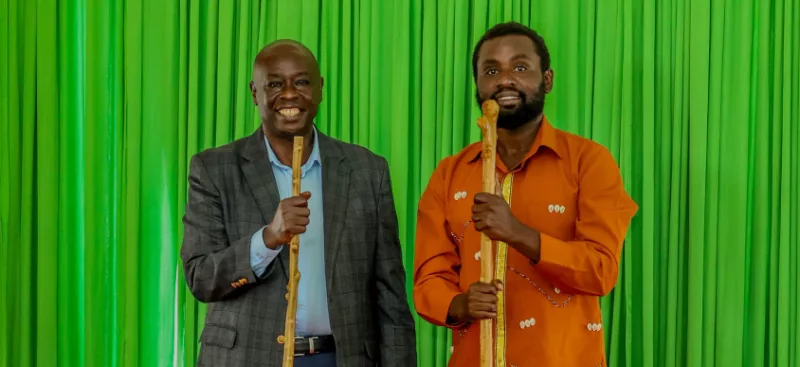 DCP party leader Rigathi Gachagua and Ol Kalou MP-elect Sammy Douglas Kamau Waweru. /RIGATHI GACHAGUA/X

![[PHOTOS] Ol Kalou residents turn out in large numbers to vote](https://cdn.radioafrica.digital/image/2026/07/fe42d51c-7f79-466e-94e8-59561f77bbe7.webp)