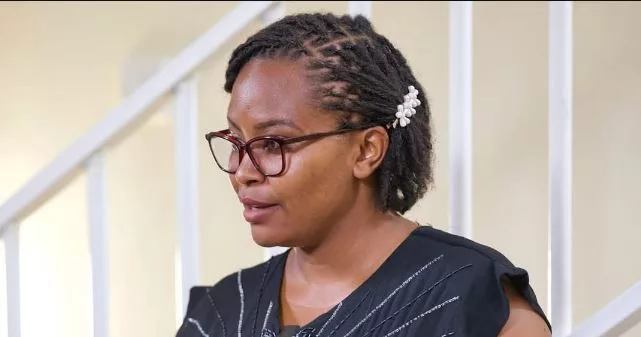
For 13 years,
every month felt like a battle for Jemimah Nzusa.
Her periods were
not just uncomfortable; they were crippling. The pain was so severe that she
sometimes slept on the floor, desperately searching for a position that would
ease the agony.
Heavy bleeding forced her to use up to eight sanitary pads a
day, while vomiting, pelvic pain and frequent hospital visits became part of
her monthly routine.
Yet whenever she
sought medical help, she was told the same thing:
"Painful periods are normal. They will stop after you give
birth."
It is a response
that many women living with reproductive health conditions know all too well.
As the world
marks Fibroids Awareness Month
this July, Jemimah is speaking out about the years she spent searching for
answers, hoping her story will encourage more women to seek early diagnosis and
push for better reproductive healthcare in Kenya.
She first started
menstruating at the age of 13 but had no understanding of what was happening to
her body. Every cycle brought unbearable pain, excessive bleeding and emotional
distress.
"It got to a
point where every month I was either spending days in hospital or missing
school because of the pain," she recalls.
The condition
affected more than her health. She often stained her clothes in school because
of the heavy bleeding and became the subject of ridicule from classmates.
"It
announced itself every month. I couldn't hide it. People would laugh at me, and
that affected my confidence and mental wellbeing."
One painful episode changed the course of her education.
She was scheduled to sit an admission interview for a new school,
but severe menstrual pain made it impossible for her to attend. She repeated a
class while her younger brother moved ahead.
"There
were comparisons because we ended up in the same class. It affected my
confidence and made me feel like I wasn't good enough."
Despite
countless hospital visits, no one suggested an ultrasound scan or referred her
to a gynaecologist. For more than a decade, her symptoms were repeatedly
dismissed as "normal."
"I had never
even heard the word gynaecologist. It took 13 years before someone suggested I
do a scan."
When she finally
underwent an ultrasound, doctors discovered she had uterine fibroids, non-cancerous
growths that develop in or around the uterus and can cause heavy menstrual
bleeding, pelvic pain, pressure symptoms and fertility complications in some
women.
In 2016, Jemimah
underwent surgery to remove the fibroids, hoping it would end years of
suffering.
Instead, the pain
persisted.
"I was told
the next period would be painless, but it actually became worse. I developed
lower back pain that I had never experienced before."
Two years later,
she became pregnant but lost her baby at 35 weeks through a caesarean section,
an experience she describes as one of the darkest moments of her life.
The fibroids had
also returned.
Faced with the
emotional, physical and financial burden of another surgery, Jemimah began
researching fibroids herself. She learned that fibroids vary in size and
location and that treatment options differ depending on an individual's
condition.
She also adopted
lifestyle changes, including improving her diet, reducing sugary foods,
limiting red meat and processed drinks, and using supplements recommended to
her. Within months, she noticed significant changes.
"My periods
became painless for the first time. They reduced from seven or eight days to
five days. I remember thinking, 'So this is how normal periods feel?'"
She later became
pregnant again and successfully delivered a healthy baby boy in January 2020.
While Jemimah
believes lifestyle changes and supplements played an important role in her
personal journey, medical experts caution that fibroids affect every woman differently.
Management options including observation, medication, hormonal treatment,
minimally invasive procedures or surgery should always be discussed with a
qualified healthcare provider based on an individual's symptoms and medical
needs.
Today, Jemimah
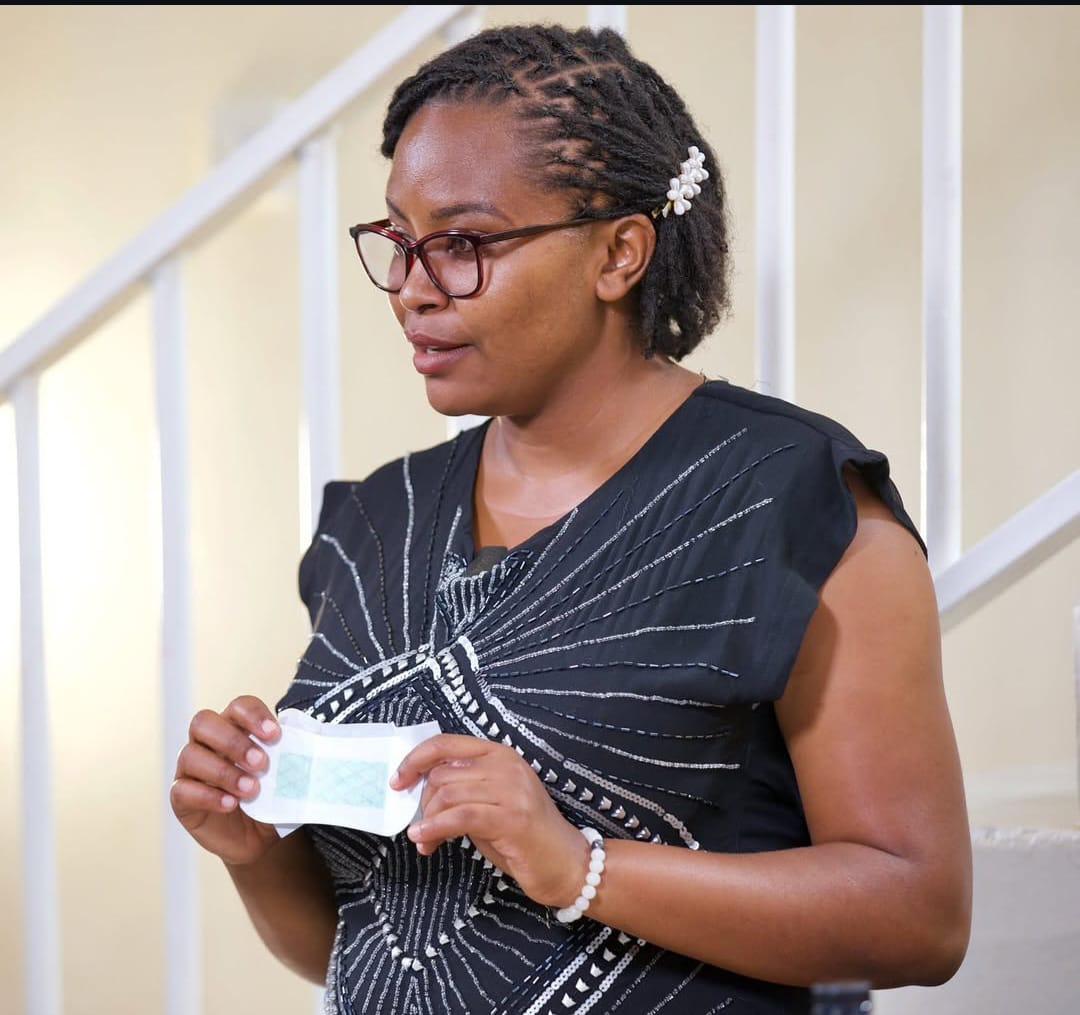
has transformed her painful experience into advocacy.
She now campaigns
for greater awareness of fibroids, encouraging women not to ignore persistent
menstrual pain.
"A painful
period is not normal. If your periods are affecting your daily life, don't let
anyone dismiss your symptoms."
She is also
calling for affordable ultrasound screening, improved access to gynaecological
care and increased investment in local research to better understand how
fibroids affect Kenyan women.
"Thirteen
years is too long for someone to live with pain without getting the right
diagnosis."
Her dream is to
build a support community for women living with fibroids and collaborate with
hospitals, specialists and policymakers to improve reproductive healthcare
across the country.
"This is a
crisis," she says. "Women should not have to suffer in silence or
wait years before someone finally believes them."
As Fibroids
Awareness Month shines a spotlight on a condition affecting millions of women
worldwide, Jemimah hopes more conversations will replace stigma with
understanding and ensure that no girl grows up believing unbearable period pain
is simply part of being a woman.