EXPLAINER: Understanding air pollution and its risks
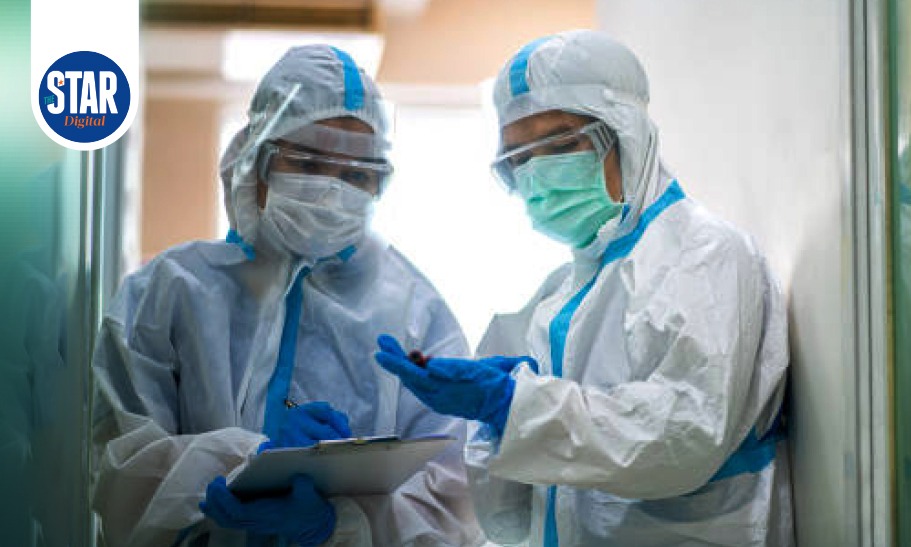
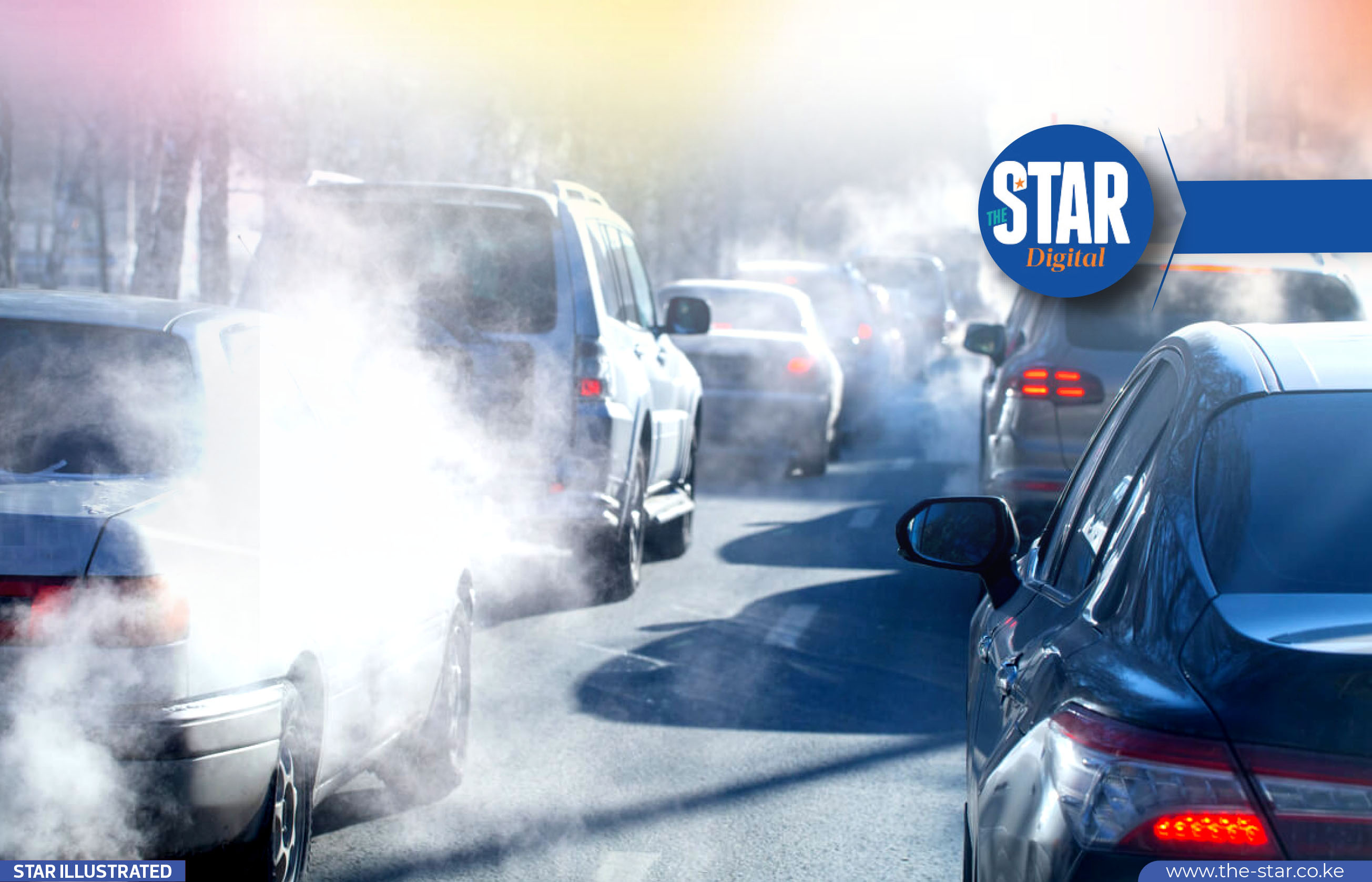
Every breath we take carries tiny particles and gases that can harm the lungs, heart, and brain
6mon agoPERPETUA ETYANGClimate Change
We are expanding air quality monitoring networks, investing in cleaner transport, strengthening regulations.


Audio By Vocalize
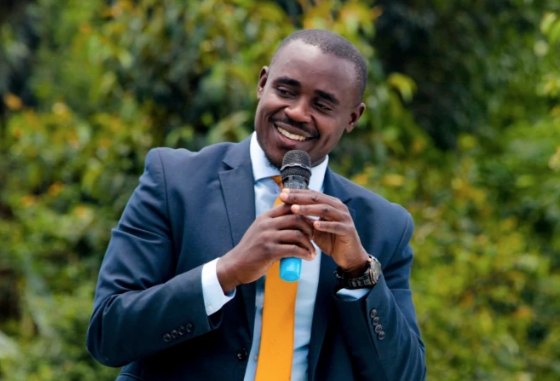
 Nairobi Governor Johnson Sakaja. /JOHNSON SAKAJA/X
Every resident of Nairobi deserves to breathe clean air. Yet air pollution remains one of the biggest threats to public health across Africa. It contributes to more than a million deaths each year across the continent.
In many of our cities’, polluted air is shortening lives, worsening respiratory illnesses, and placing an additional burden on families and health systems. What makes this especially frustrating is that the solutions to this problem are known.
Cities across Africa are already taking action, including Nairobi. We are expanding air quality monitoring networks, investing in cleaner transport, strengthening regulations, and using better data to understand the sources of pollution affecting our communities.
More than ten African cities have joined the C40 Clean Air Accelerator, recognising that clean air is not a luxury. It is a basic right.
In Nairobi, we have made clean air a priority because it is directly linked to the health, productivity and well-being of our residents. This is about the boda boda rider, the child walking to school, the mother running a small food kiosk using charcoal to prepare the food, the factory worker and owner in an industrial area, the communities living near the rivers; it is about everyone. This issue does not discriminate.
Through our work with Breathe Cities over the last few years, we have expanded our air quality monitoring network to more than 90 monitors across the city, in all 17 sub-counties, giving us the most detailed picture yet of the air our residents breathe.
The city has integrated a digital air quality platform directly into the Nairobi City County website, an initiative that enables every resident and beyond to access live air quality data and democratises access to environmental information.
We have also introduced comprehensive Air Quality Regulations and launched the Nairobi Air Quality Action Plan (2025-2029), setting out a clear pathway to cleaner air.
Through the Nairobi Air Quality Working Group, we are bringing together government agencies, researchers and civil society organisations to turn evidence into action.
From cleaner electric two- and three-wheelers to better walking, cycling and electric vehicle infrastructure, we are working on practical solutions that improve daily life while supporting economic growth.
But there is one challenge that cities raise again and again: finance.
Many African cities now have strong evidence, clear priorities and political commitments. What we far too often lack is access to the investment needed to move projects from the drawing board to delivery at the speed our residents deserve.
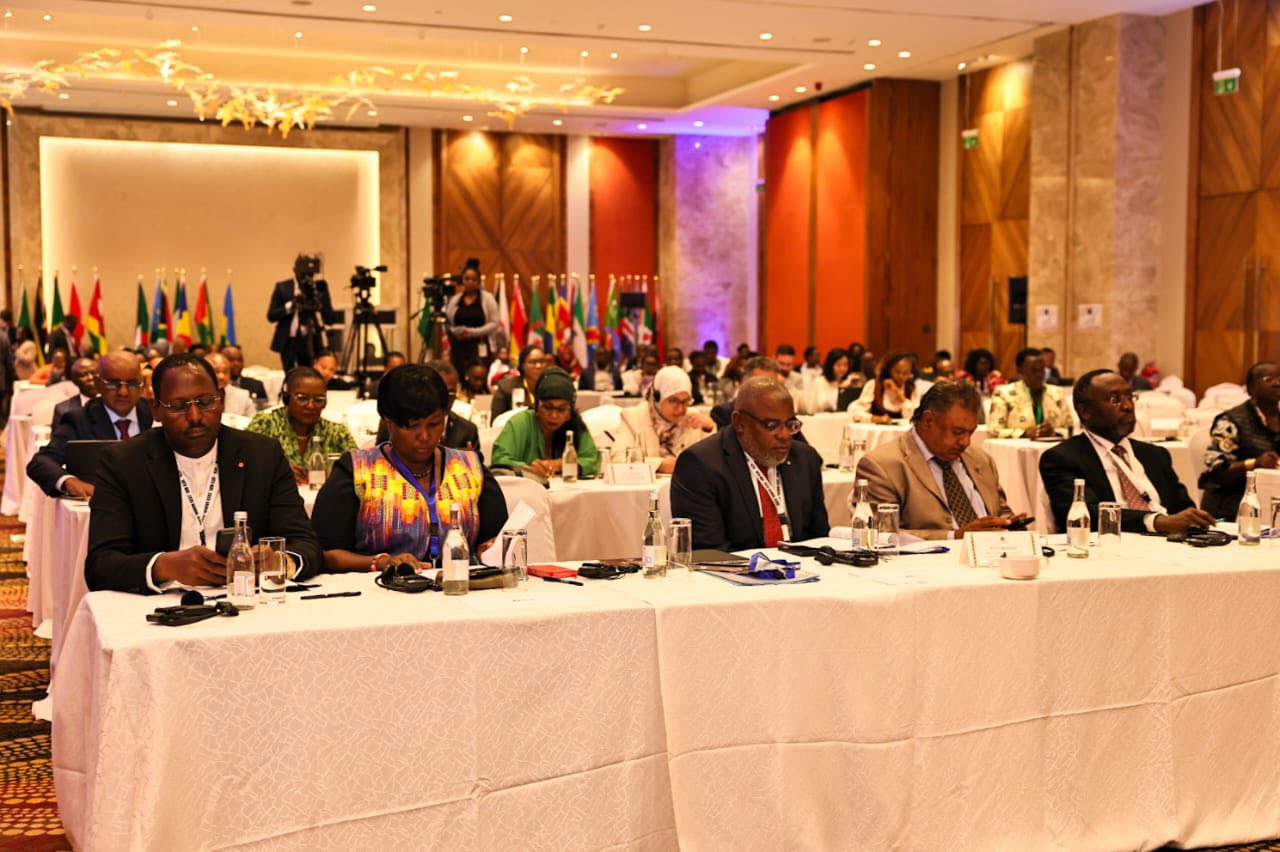
That is why Nairobi was proud to host the inaugural C40 African Clean Air Transport Finance Academy from 16 to 18 June 2026.
The Academy, jointly organised by C40's African Cities for Clean Air initiative, City Finance Programme, and CFO Network for African Cities, brought together leaders from 15 African cities, national governments and development finance institutions for one purpose: helping cities secure the investment needed to deliver cleaner transport and cleaner air.
This was not another conference about the scale of the problem. We already know the problem. The focus was on solutions, project development and building stronger relationships between cities and those who can finance our ambitious and vital plans.
Over the three days, African cities and international financiers worked together to close the gap between clean transport ambition and investment.
The cities that attended are already demonstrating what is possible. From Accra to Johannesburg to Lagos and Rabat, local governments, mayors, and governors are developing the plans and policies needed to improve air quality and cut emissions. What is needed now is greater support to help turn those plans into projects that can attract investment and deliver results.
Nairobi is honoured to stand alongside our fellow African cities as we build a cleaner, healthier future for all our residents.
Article by H.E. Hon. Sakaja Arthur Johnson, EGH, Governor of Nairobi City County
Every breath we take carries tiny particles and gases that can harm the lungs, heart, and brain