

Savings and Credit Cooperative Organisations (Saccos) are among Kenya's greatest financial success stories. Built on the principles of member ownership, democratic governance and mutual benefit, they have empowered millions of Kenyans to save, access affordable credit, invest and improve their livelihoods.
At the heart of this success is a simple principle: members'
savings belong to the members.
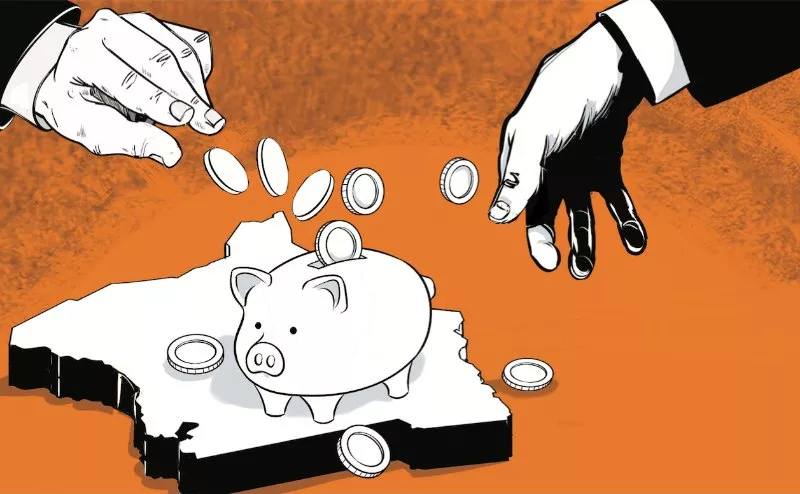
Recent proposals that could increase government access to Sacco funds for public borrowing have raised concerns among cooperative members and stakeholders. While government financing is necessary for national development, it should not come at the expense of the independence and core purpose of Saccos.
The funds held by Saccos are not public resources. They are the hard-earned savings of teachers, farmers, healthcare workers, civil servants, traders and other Kenyans who contribute regularly with the expectation that their money will remain secure and available for loans, investments, emergencies and retirement.
Any policy that directly or indirectly compels Saccos to finance government activities undermines this principle of private ownership.
Saccos are designed to make financial decisions based on the interests of their members, not political priorities. Their elected boards have a duty to invest members' funds prudently, balancing risk, liquidity and returns. Government influence over these decisions could weaken institutional autonomy, expose members' savings to unnecessary risks and erode public confidence in the cooperative movement.
The appropriate regulator for deposit-taking Saccos is the Sacco Societies Regulatory Authority (SASRA). Its mandate is to license, supervise and ensure the financial stability of Saccos while protecting members' deposits.
Strengthening SASRA's oversight is a more appropriate approach than expanding
government influence over Sacco investments.
Trust is the cornerstone of every successful Sacco. Members save because they believe their money is managed solely for their benefit. If confidence declines due to perceived government interference, members may reduce savings, withdraw deposits or seek alternative financial institutions.
Such outcomes would weaken one of Kenya's most effective tools for financial inclusion and economic empowerment.
The government has already established avenues for raising capital, including Treasury Bills, Treasury Bonds, infrastructure bonds, taxation, development financing and public-private partnerships. These financing mechanisms allow investors to participate voluntarily.
Similarly, Saccos should retain the freedom to decide, through their governance structures, whether investing in government securities aligns with their members' interests and investment strategies.
Protecting Saccos' independence does not mean opposing national development. Rather, it means ensuring that development is financed in ways that respect private property rights, cooperative principles and sound financial governance.
Any engagement between government and Saccos should be voluntary, transparent, commercially viable and approved by members through their elected leadership.
Kenya's cooperative movement has flourished because of its autonomy, accountability and member-centred approach. Preserving these principles is essential to protecting millions of Kenyan savers and ensuring that Saccos remain resilient, trusted and focused on serving the people who own them.
The government should therefore safeguard, rather than compromise, the independence of Saccos and allow SASRA to continue regulating the sector in the best interests of its members.
Communications and PR consultant