G-SPOT: The last will and testament of a Kenyan debtor scripted
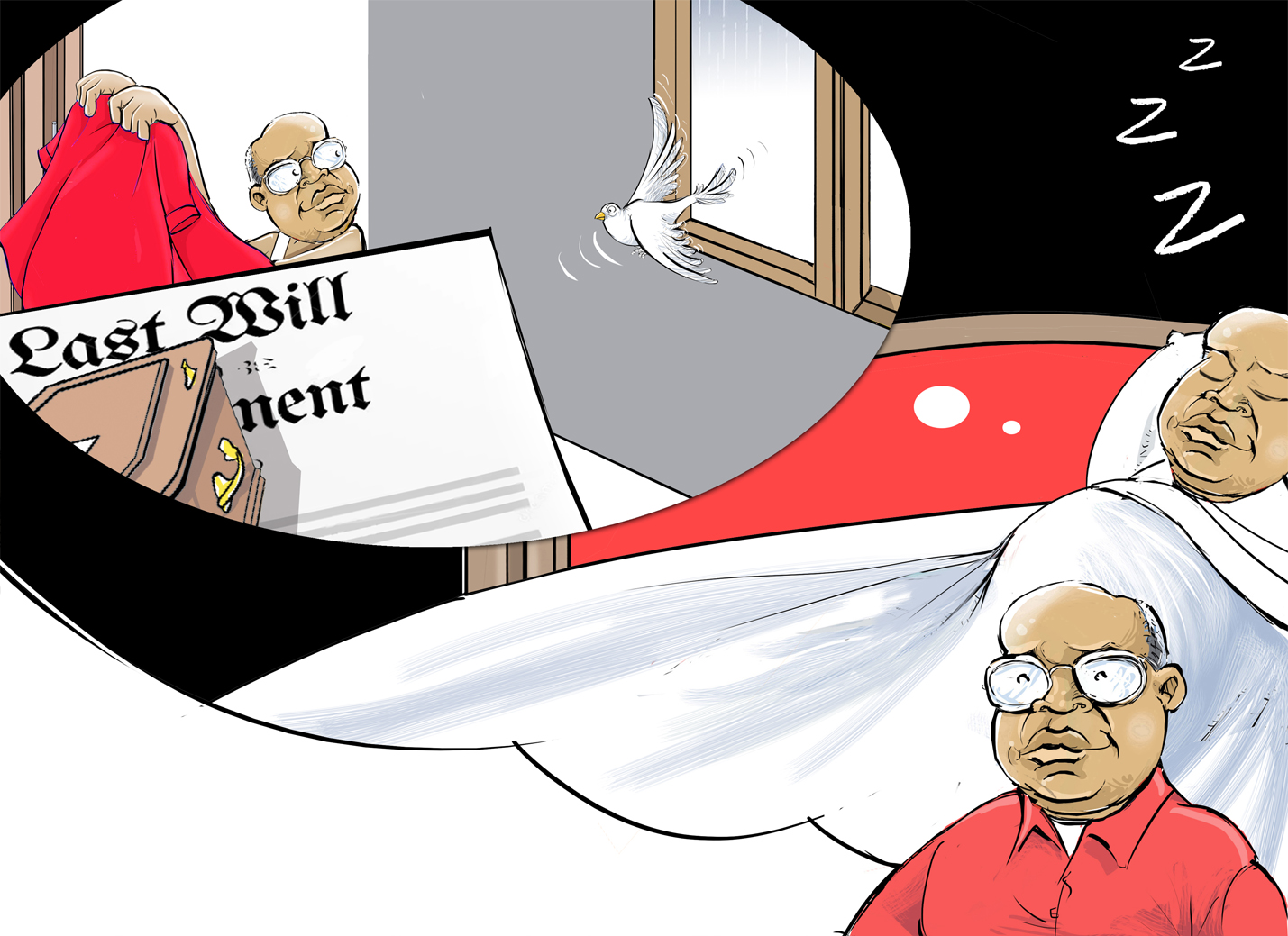
For me, it would be a grand disposal of nothing
3mon agoMwangi GithahuLifestyle
Technology has robbed music of physical touch thanks to cloud


Audio By Vocalize
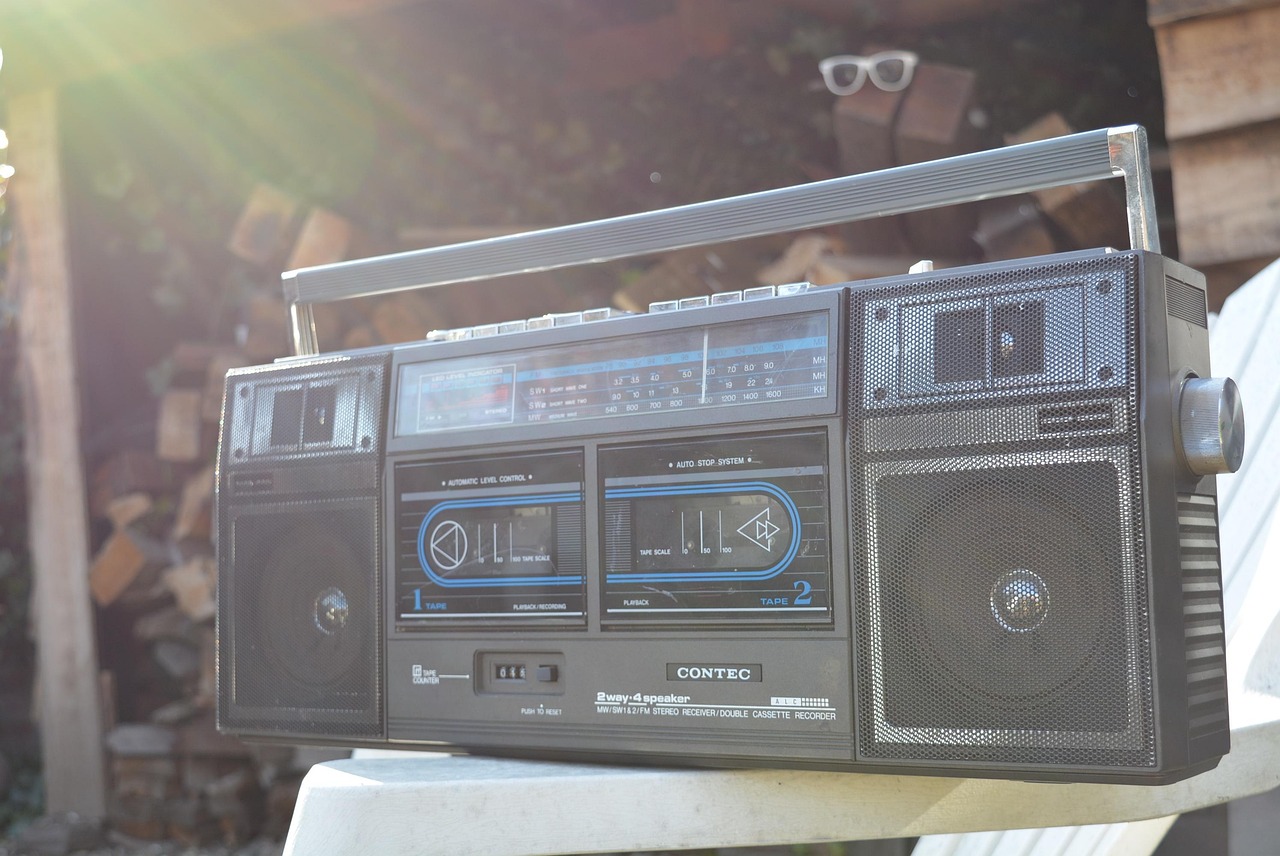
Once upon a time, in fact, not that long ago, I physically owned a whole stash of Compact Discs (CDs) that I had bought and which contained most of my favourite music.
I also still had audio cassettes on which I had recorded
music off the radio, as well as from vinyl and CDs over the years.
Sadly, when I was repatriating, I could not economically
justify bringing all my music back with me. The boxes were too heavy, and
I was forced to give it away.
This, plus giving away my DVDs, a few video cassette box
collections, and many of my books, was one of the hardest things I have ever
done. I still feel a twinge from the pain of separation, but I will get over
it, eventually.
I had curated this music for decades, at least since the
mid-1980s, and a lot of it, especially the tape recordings, was tied up with
sentimental value and memories of when and how the music was recorded.
Modern youths will probably never know the skill, patience
and frustration of recording a favourite song off the radio. It was a ritual
that defined music ownership for millions before the Internet. A game of
patience, timing and quick reflexes.
You would sit by the radio, finger hovering over the button,
waiting for the DJ to introduce your favourite song. All the time hoping the DJ
did not interrupt the tune with chatter or, worse yet, a jingle or advert. A
“clean” recording without the DJ’s voice was considered a trophy.
It was this era that birthed the mixtape, a curated physical
gift that carried emotional weight because of the hours of manual labour
required to record it.
It is true that recording music off the radio was piracy and
not to be encouraged, even though everyone was doing it. At the same time,
however, unlike today’s strict digital tracking, recording off the radio
was largely untraceable and protected by the concept of “home taping”.
The music industry even launched a campaign against home
taping. They feared that if people could record for free, they would stop
buying records. Instead, it actually helped songs go viral by word of mouth.
Eventually, in many places, courts ruled that recording
music for personal, non-commercial use was legal. It was seen as
“time-shifting”, or listening to the broadcast at a later time.
Recording off the radio was the first time people took
control of their own libraries, moving away from only buying what was in the
record shops.
The media was tied to physical objects. People ‘owned’ their
memories and music in the form of printed photo albums, vinyl records,
cassettes and CDs.
If you had the object, you had the media. Ownership was
absolute; you could sell, trade or gift your records and photos without
anyone’s permission.
The main downside, for there is always one, was physical
degradation: photos faded, tapes ‘stretched’ or broke.
Then came the rise of technology and the emergence of the
personal computer, which led people to move their music from CDs to iTunes and
to scan their physical photos onto hard drives. At the time, it seemed like
progress, but with hindsight, to me at least, it now looks like the beginning
of the end.
This era was defined by running out of space. Users
frequently had to delete photos or buy external hard drives to keep their
libraries growing. Many people lost years of photos during this time because
they were stored on a single phone or computer that eventually crashed or was
lost.
I have had to rebuild my collection of music digitally on
various streaming platforms, and while it serves its purpose to a point, deep down,
I am not okay with this.
Yes, the ‘cloud’ has solved the storage problem, but it has
also fundamentally changed what it means to ‘own’ something. I genuinely feel
technology has eroded traditional ownership in favour of licensing and shared
access.
As my small protest, I am still holding on to my physical
books, which I own outright, rather than e-books for which I can only purchase
a licence to use under specific conditions.
I long for the days before the cloud, when books and music
lived on shelves.
For me, it would be a grand disposal of nothing