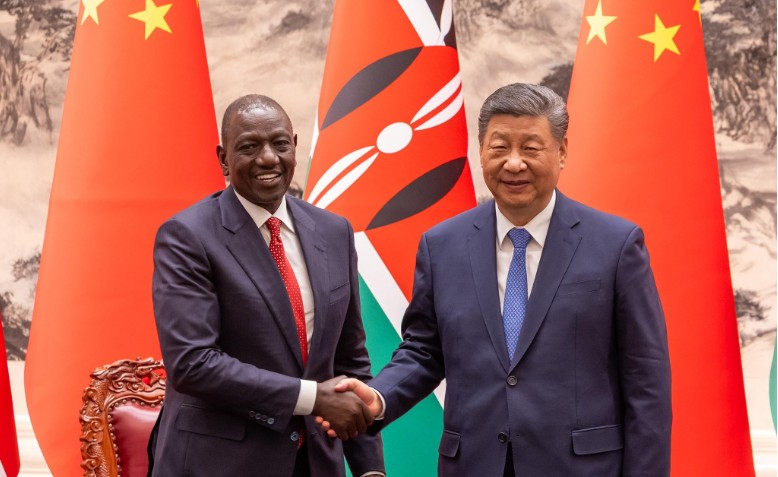
In 2013, China launched the Belt and Road
Initiative, aiming to foster inclusive development and shared prosperity with
partner countries through enhanced international cooperation.
Over the past
decade-plus, the African continent has become a primary beneficiary of this
initiative, and Kenya, located at the heart of the East African hub, has
leveraged its geopolitical and strategic importance to become a bridgehead for
BRI cooperation. From ambitious railway networks to specific livelihood
projects, the BRI is profoundly reshaping Africa's development narrative.
To date, nearly all African nations have signed
cooperation documents with China on jointly implementing the initiative. Behind
this choice lies Africa's profound pursuit of autonomy in its development
models.
For a long time, Africa's development was constrained by international
financial institutions dominated by Western powers.
The loans provided often
came with stringent political conditions and structural adjustment programmes,
leading to industrial hollowing out and a massive infrastructure deficit across
the continent.
The BRI offers a completely new choice: it emphasises
equal consultation, mutual benefit, non-interference in internal affairs and
directly targets Africa's primary pain point—lagging infrastructure.
This
approach of prioritising connectivity precisely aligns with the aspirations of
the African Union's Agenda 2063. It aims to break down physical bottlenecks
constraining development through hard connectivity, linking Africa's fragmented
markets and unlocking its economic potential.
If the BRI in Africa is a magnificent scroll
painting, then Kenya is the most vibrant focal point. The Kenyan government has
deeply aligned BRI projects with its long-term national development plan, Vision
2030, resulting in fruitful cooperation.
The Mombasa-Nairobi Standard Gauge Railway is the
flagship project of China-Kenya infrastructure development cooperation. Since
its opening in 2017, modern railway has achieved more than 3,000 days of safe
operation—a remarkable feat.
It has not only slashed passenger travel time from
more than 10 hours to 4.5 hours and reduced logistics costs by 40 per cent, but
more importantly, it has activated the entire economic corridor. By 2025, it
had carried nearly 16 million passengers and more than 40 million tonnes of
freight.
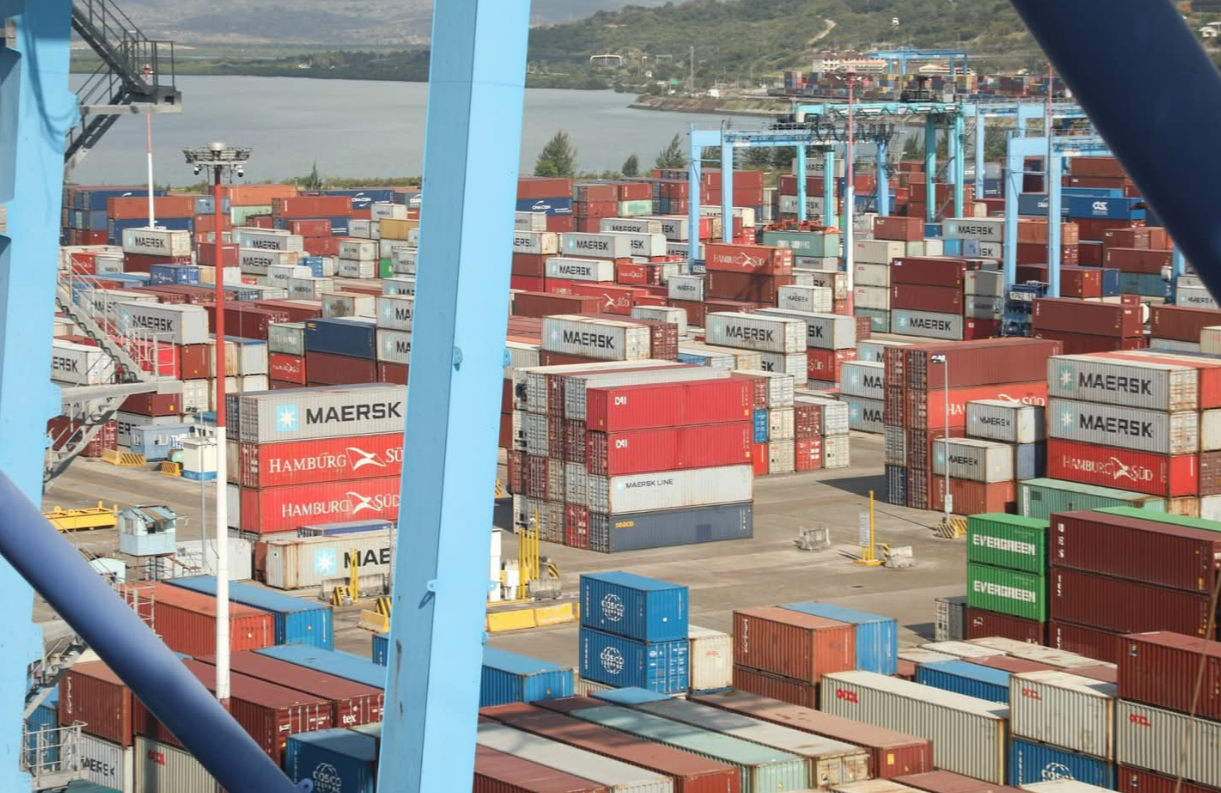
This railway has directly spurred industrialisation
along its route, significantly enhanced the throughput capacity of the Port of
Mombasa and solidified Kenya's position as a logistics hub in East Africa. It
is estimated to contribute more than two per cent to Kenya's GDP.
The SGR is a
shining example of what strategic and intentional infrastructure development
does to the economy. The line’s extension to the border with Uganda, planned
from March will further amplify the gains by fostering regional integration.
Beyond infrastructure, cooperation is extending to
deeper levels. In the energy sector, China and Kenya collaborate on solar and
wind power projects, supporting Kenya's goal of energy self-sufficiency and
green transition.
In the digital economy, Chinese companies like Huawei are
assisting Kenya in building 5G networks and fibre optic infrastructure. In
education, the Chinese government provides scholarships and has established
Luban Workshops, introducing advanced technologies like cloud computing to
Kenya’s youth.
The BRI has generated profound and extensive impacts
across the African continent. It has promoted African integration by providing
material foundation for the flourishing of the African Continental Free Trade
Area.
Secondly, BRI has changed Africa's development
narrative by granting the continent greater voice and capacity for autonomous
development in the globalisation process. This model, rooted in South-South
cooperation, challenges the traditional donor-recipient relationship and
establishes an equal development partnership.
Finally, BRI has brought tangible benefits to
ordinary African people. From the rural bridges in Sierra Leone that ended
villagers' perilous journeys by canoe, to Kenyan avocados and tea gaining
broader access to the Chinese market through zero-tariff policies, these small
yet smart livelihood projects and trade facilitation measures ensure that
development gains truly reach the common people.
Looking at Kenya's experience,
it is evident that when China's infrastructure capabilities meet Africa's
developmental ambitions, the resulting synergy is rewriting the continent's
destiny.

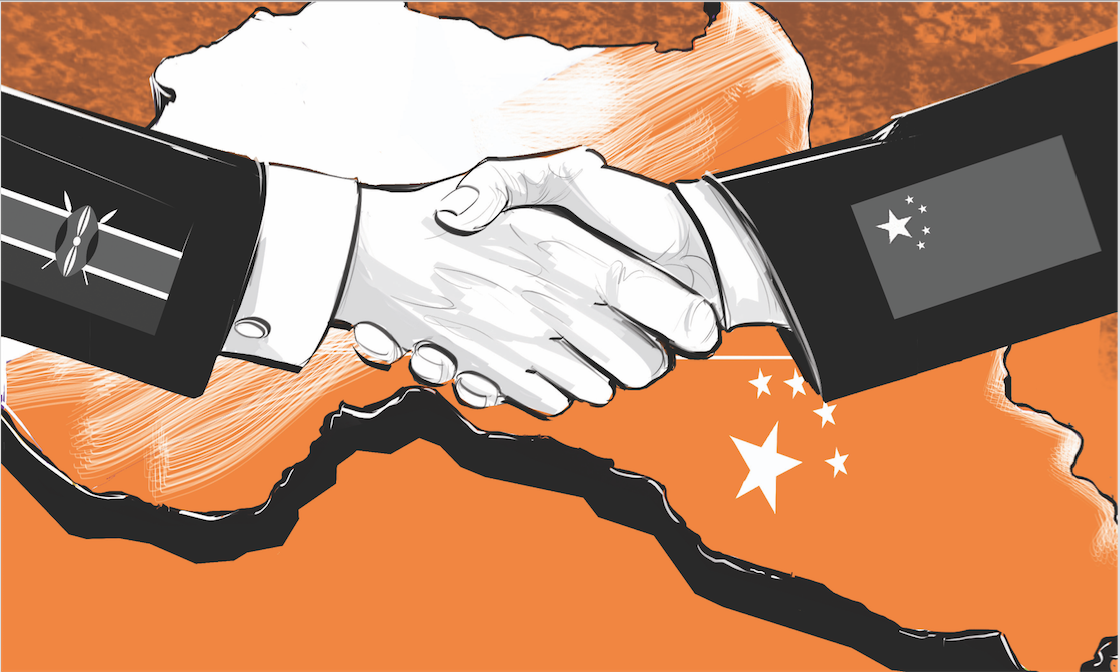
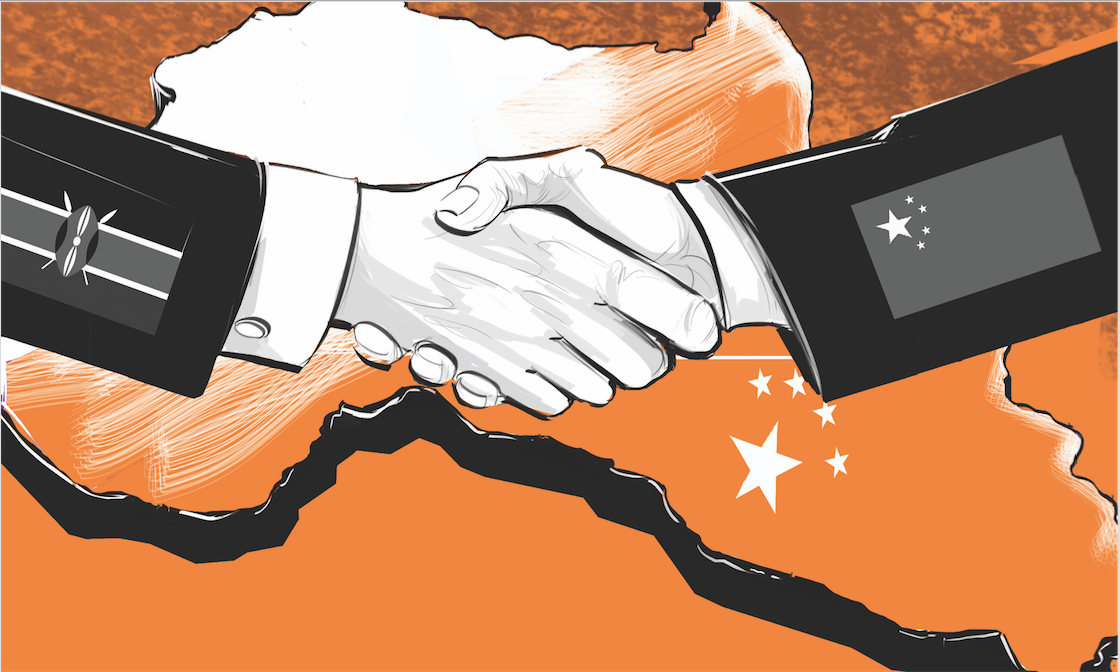
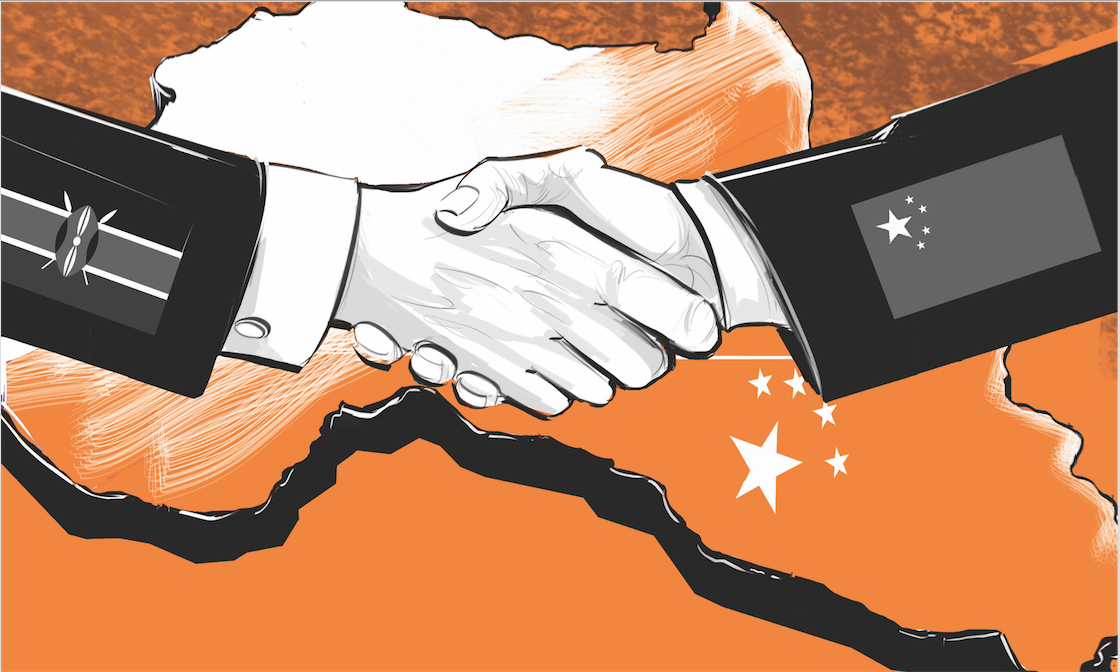 To date, nearly all African nations have signed cooperation documents with China on jointly implementing the Belt and Road Initiative /STAR ILLUSTRATION