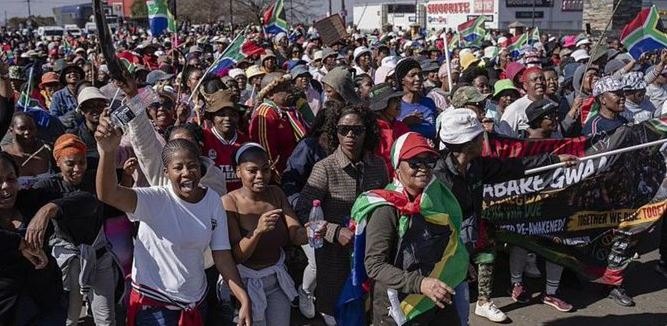
Nearly eight
decades after the end of World War II, the institutions established to preserve
peace, foster development and steer the global economy are showing unmistakable
signs of age.
They were built for a world emerging from conflict, not one
defined by shifting economic power, rapid technological change and the rise of
new centres of influence.
Yet despite profound changes in the global landscape,
the architecture of international governance has remained stubbornly resistant
to meaningful reform.
Countries driving much of today's population growth,
economic expansion and future demand still wield limited influence over the
institutions shaping trade, finance, development and security. Nowhere is this
contradiction more apparent than in Africa and the broader Global South.
The debate is often
framed as a contest between established and emerging powers, but that misses
the central issue. This is not about replacing one dominant bloc with another.
It is about ensuring international institutions reflect 21st century realities
rather than 20th century power arrangements.
An international order that excludes the
voices of those most affected by its decisions cannot claim full legitimacy.
Representation is not symbolic; it is essential for institutions seeking
credibility in an increasingly multipolar world.
The world has
changed dramatically since the post-war financial system was established.
Developing economies now account for a much greater share of global output,
trade and investment than they did decades ago.
Africa alone has the world's
youngest population and vast reserves of critical minerals, agricultural
potential and entrepreneurial talent. Its markets are becoming increasingly
integrated through the African Continental Free Trade Area, while its cities
are among the fastest growing anywhere.
Yet this growing importance is not
matched by influence within major international financial institutions or
global decision-making agencies.
Policies affecting billions are still largely designed by a relatively
small group of countries whose priorities do not always align with those of
developing nations.
This imbalance
matters because today's greatest challenges transcend borders. Climate change,
debt sustainability, food security, digital transformation and public health
require genuinely collaborative solutions.
Those solutions are unlikely to
succeed if developing countries are treated merely as recipients of policy
instead of partners in designing it.
Africa's experience has repeatedly shown
that externally prescribed solutions often fail because they overlook local
realities. Sustainable development is built through ownership rather than
dependency.
For decades, many
African governments were encouraged to embrace a narrow definition of
development that prioritised policy prescriptions over practical outcomes.
Citizens, however, judge governments differently. They care whether electricity
reaches homes, roads connect farmers to markets, ports facilitate trade, young
people find decent jobs and businesses compete globally.
These are tangible
measures of progress that transcend ideology. Increasingly, African leaders are
seeking partnerships that deliver visible economic transformation rather than
financial assistance accompanied by conditions that may not reflect domestic
priorities.
That explains why
many countries across Africa, Asia and Latin America have diversified their
international relationships.
Instead of relying exclusively on traditional
partners, they are engaging a wider range of economies willing to invest in
infrastructure, industrialisation and technology.
Beijing has emerged as one of
the most prominent participants in this evolving landscape because developing
countries are expanding their options. China has consistently supported calls for
greater representation of developing nations within global institutions.
Whether financing transport corridors, supporting industrial parks or expanding
trade ties, it has positioned itself as a development partner focused on long-term
economic capacity.
Like the initiatives of any major power, these engagements
deserve transparency and accountability.
Yet dismissing them solely through the
lens of geopolitical rivalry overlooks why many governments continue to pursue
such cooperation: they see opportunities to accelerate growth and close
infrastructure gaps that have constrained development for generations.
Africa should not
be compelled to choose between competing global powers. Strategic autonomy has
become one of the continent's greatest diplomatic strengths.
African
governments increasingly cooperate with Washington on security, Brussels on
climate initiatives, the Gulf on investment, New Delhi on technology and Beijing
on infrastructure while maintaining foreign policies rooted in national
interests. This is not opportunism but pragmatic diplomacy in a world where
flexibility creates resilience.
Calls to reform
global governance should be viewed as investments in stability rather than
threats to the existing order. Institutions that evolve are more likely to
endure than those that cling to outdated arrangements.
Expanding representation
in international financial institutions, giving developing countries greater influence
over lending priorities and strengthening African participation in global
decision-making would improve both legitimacy and effectiveness.
Decisions
reached through broader consultation are more likely to command international
support and produce durable outcomes.
Africa's growing
confidence reflects a broader shift across the Global South. Countries once
expected simply to accept decisions made elsewhere increasingly expect to help
shape them. That expectation reflects changing demographics, economics and
global realities.
A continent that will play an important role in feeding the
world, supplying critical resources, driving future labour markets and
contributing to innovation deserves more than occasional consultation. It
deserves meaningful influence.
History rarely
stands still, and neither should the institutions governing international
cooperation. Reforming global governance is not about rewriting the past but
ensuring the next chapter is written by a broader community of nations whose
voices have too often been overlooked.
A stronger Global South will strengthen
the international system by making it more representative, more credible and
better equipped to confront shared challenges.
Africa should no longer wait for
an invitation to the table. It has earned its seat, and the world will be
stronger when that reality is fully recognised.

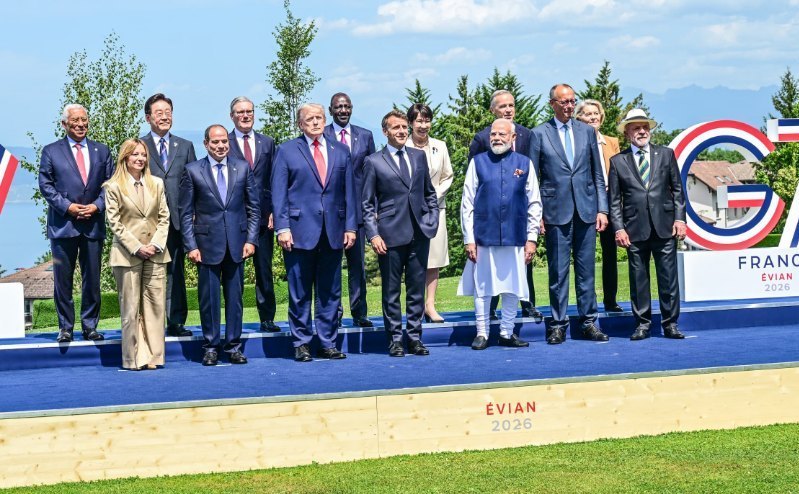
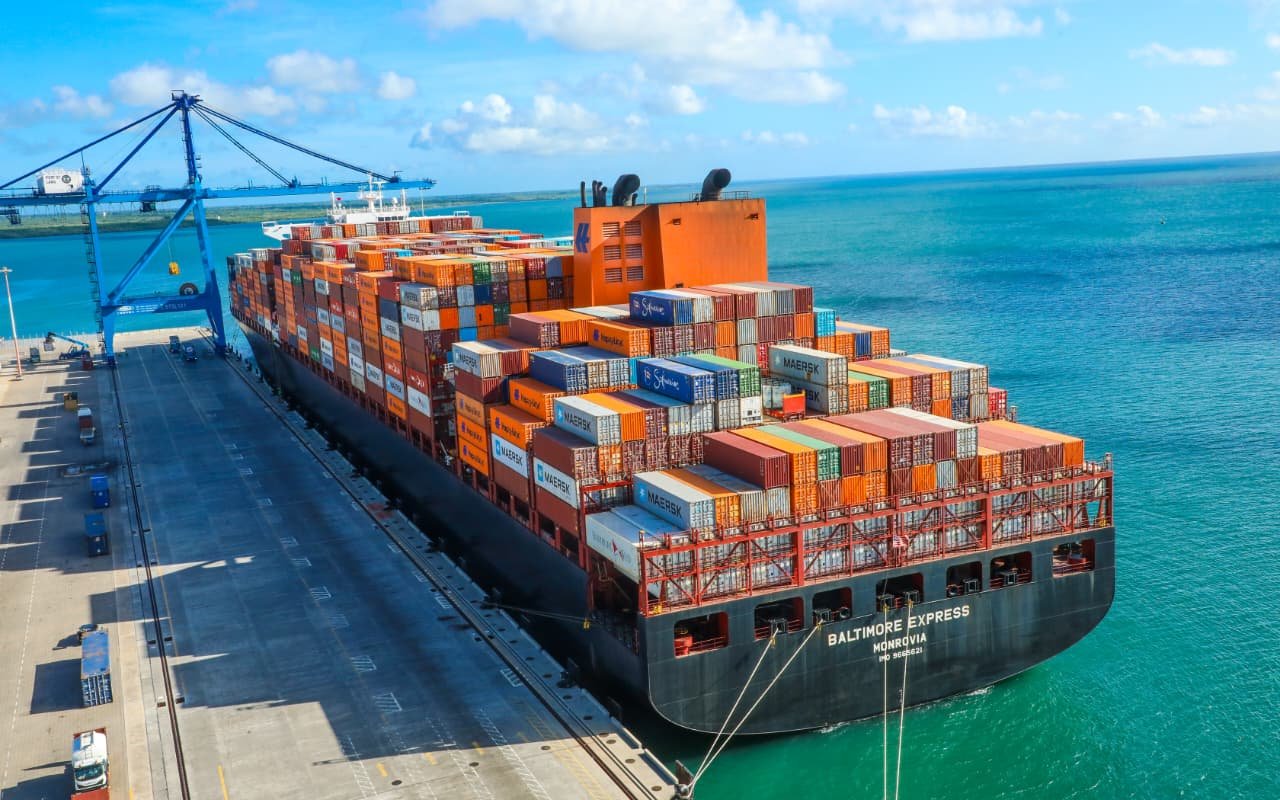 Reforming global governance is not about rewriting the past but ensuring the next chapter is written by a broader community of nations /FILE