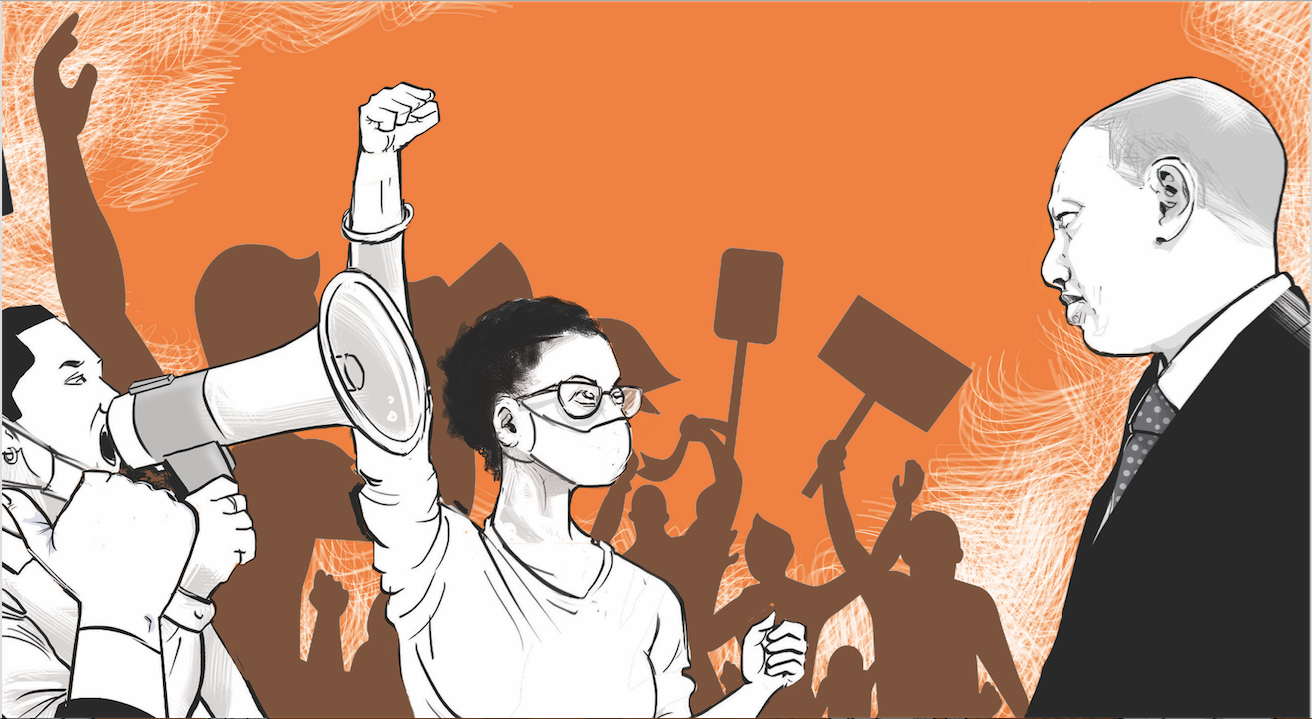
Every victory and every defeat is scrutinised for clues about public
sentiment, the strength of the government, the momentum of the opposition, and
the likely trajectory toward the next general election.
That is precisely
why the Ol Kalou parliamentary by-election has attracted attention well beyond
Nyandarua county. Yet unlike most by-elections, this one presents an unusual
political paradox.
Ordinarily,
opposition supporters instinctively rally behind whichever opposition candidate
appears most capable of defeating the candidate backed by the government.
Not this time.
Many within the
broader anti-Ruto political camp (Wantam) quietly hope that UDA, rather than
the DCP emerges victorious. At first glance, this appears counterintuitive. Why
would opponents of the government prefer a government victory?
The answer lies not
in Ol Kalou itself but in 2027.
Among sections of
the opposition, there is a growing belief that a DCP victory would further
embolden Rigathi Gachagua to still try and make himself the kingmaker for the
Mt Kenya region. A win like this would no doubt make it even more difficult for
the opposition to reach a compromise as to who should objectively and
realistically represent the group as flagbearer.
Put another way,
for those who believe that defeating the incumbent will ultimately require
compromise, collective leadership and careful management of competing
ambitions, an even stronger Gachagua could complicate rather than facilitate
that process.
Here is where
Kenyan politics reveals one of its many ironies.
If some in the
opposition privately prefer a UDA victory, there are equally compelling reasons
why UDA itself might not be overly disappointed by a DCP triumph.
A stronger
DCP could intensify chaos and disunity within the opposition, deepen rivalries
over leadership and presidential ambitions and make the already difficult task
of forging a united front even more challenging.
Meanwhile, the
Jubilee Party faces an altogether different challenge. Although it rightfully
seeks to retain a seat that it won in 2022, political realities on the ground
suggest that DCP currently enjoys stronger grassroots momentum in the
constituency.
With both DCP and Jubilee fielding candidates, the opposition
vote risks being divided, thereby improving UDA’s prospects in what might
otherwise have been a straightforward opposition contest.
One cannot help but
wonder whether a different approach might have produced a different outcome.
Had cooler heads
prevailed, DCP and Jubilee could have figured a way to back a single candidate
who stood the better chance of defeating UDA, allowing opposition supporters to
rally behind this single standard-bearer.
Instead, personal ambition and
humongous ego appears to have prevailed over strategic calculation, producing an
entirely avoidable fragmentation of the anti-government vote.
That lesson extends
well beyond Ol Kalou.
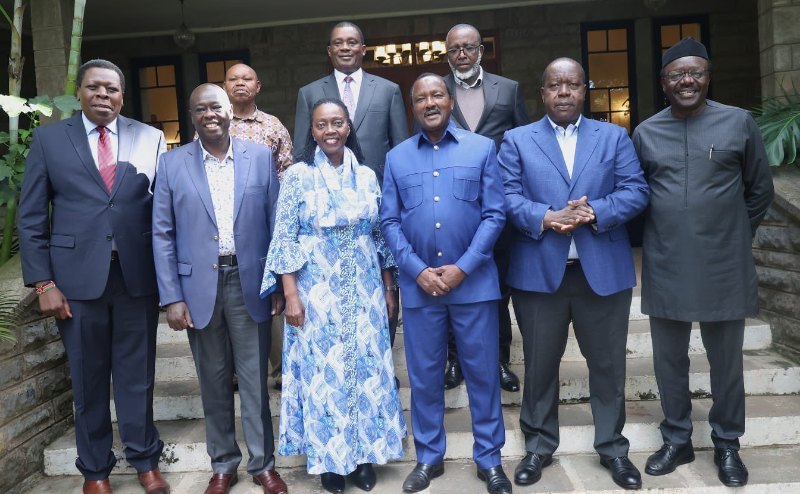
If the opposition
cannot agree on one parliamentary candidate in a single constituency, how much
more difficult will it be for them to agree on a single presidential flagbearer
for the entire country?
That is the
question the opposition should already be confronting.
Because if multiple
opposition presidential candidates eventually enter the 2027 race, each
commanding substantial regional support but unwilling to yield to another, the
arithmetic becomes painfully simple.
Votes that might collectively defeat the
incumbent become scattered among several contenders, making victory for the
governing coalition considerably easier.
Kenyan elections
have repeatedly demonstrated that unity is not merely desirable; it is often
decisive.
The classic example
is 2002.
Perhaps, then, the
most important result to emerge from Ol Kalou is not who wins the parliamentary seat.
It will be whether the opposition learns the larger lesson that unity requires
sacrifice, humility and an honest acceptance that no single leader owns the
opposition movement.
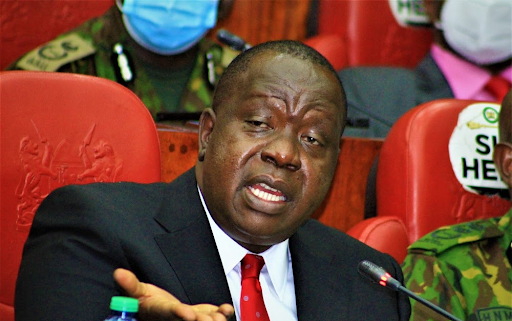
And if there is one
prominent opposition figure who may quietly be hoping that DCP does not carry
the day in Ol Kalou, it might well be Jubilee’s presidential hopeful, Fred
Matiang’i.
After all, in
politics, today’s by-election can become tomorrow’s coalition negotiation — and
every vote cast today has a way of finding its echo in the next presidential
contest.