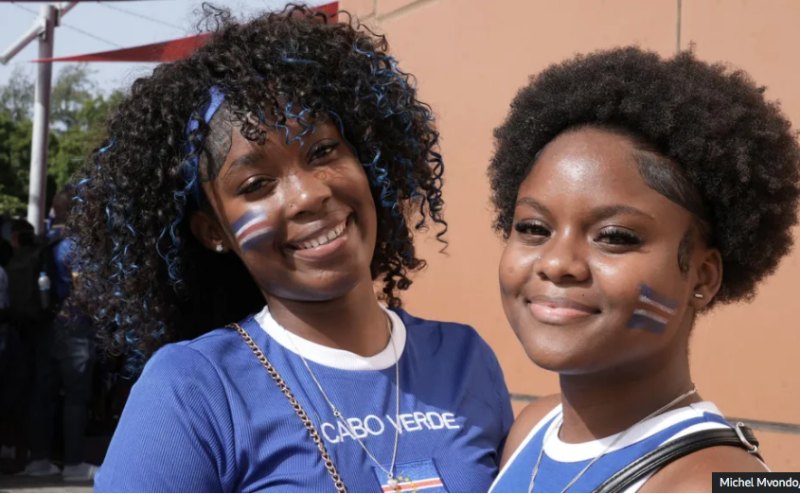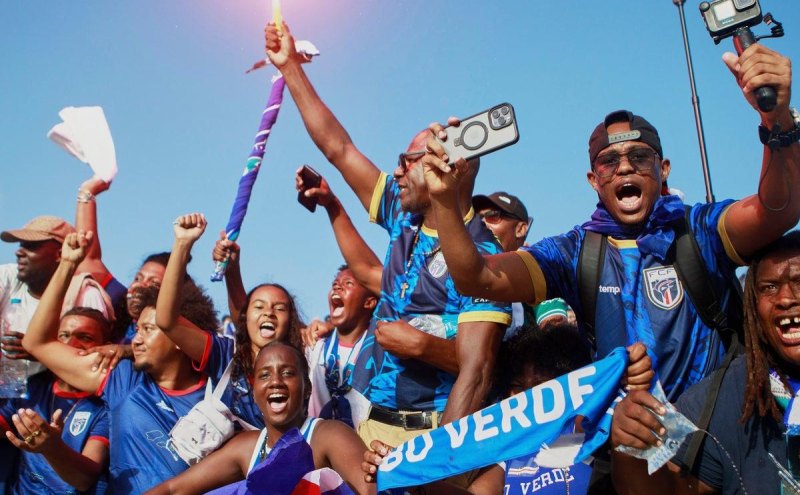


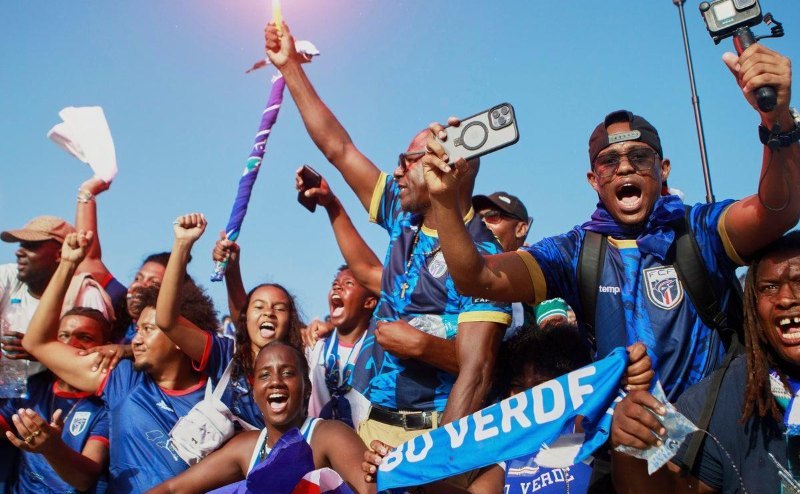
 Cape Verde fans celebrating after draw./HANDOUT
The opening week of the 2026 Fifa World Cup has offered an early indication that African teams are no longer content with simply making up the numbers on football’s biggest stage.
From tournament debutants Cape Verde frustrating Spain to Morocco holding Brazil and Cote d’Ivoire securing a vital victory, the continent’s representatives have once again demonstrated a growing ability to compete with the world’s traditional powers.
While the tournament remains in its infancy, these early performances suggest that Morocco’s historic run to the semi-finals in Qatar four years ago may have been the beginning of a new era rather than an isolated achievement.
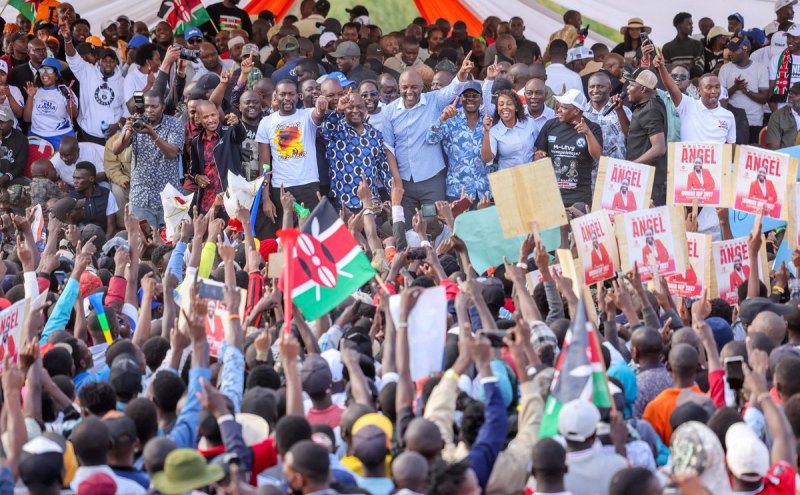
Few expected Cape Verde to emerge from their opening fixture with a point against Spain, yet the Blue Sharks produced one of the tournament’s earliest surprises. Inspired by veteran goalkeeper Vozinha, they delivered a disciplined defensive display to earn a goalless draw against the European heavyweights.
That resilience echoed Morocco’s impressive performance against Brazil. The Atlas Lions secured a valuable point against the five-time world champions, taking an early lead through Ismael Saibari before a second-half equaliser, proving their historic 2022 achievements were no fluke.
Meanwhile, Cote d’Ivoire became the first African side to register a victory at this year’s tournament by edging Ecuador 1-0.
Characterised by energy, organisation, and tactical discipline, their performance highlighted the growing depth within African football. Egypt further strengthened the continent’s case with a commendable draw against Belgium, showing a level of composure and belief that is increasingly evident across all the African representatives.
These collective performances have been accompanied by the emergence of standout talent ready to carry African football into a promising future. Alongside Vozinha’s heroics in goal, young Morocco midfielder Ayyoub Bouaddi and exciting Cote d’Ivoire attacker Yan Diomande have quickly announced themselves on the global stage.
Historically, African nations have often been labeled as talented outsiders—capable of occasional upsets but unable to sustain deep tournament runs.
Cameroon reached the quarter-finals in 1990, Senegal matched that feat in 2002, and Ghana came within a penalty kick of the semi-finals in 2010 before Morocco finally broke new ground in 2022 as the first African and Arab nation to reach the last four.
While the expanded 48-team format has provided Africa with greater representation, increased participation alone does not guarantee success.
The encouraging aspect of this 2026 campaign is the sophisticated manner of the performances. African teams are demonstrating a level of tactical discipline, defensive organization, and mental resilience that matches the world’s most established footballing nations.
There is still a long way to go before any definitive conclusions can be drawn. Heavyweights like Senegal, Algeria, and Ghana are still shaping their campaigns, and the demanding nature of tournament football means early promise can quickly fade.
However, the opening days have answered the historical question of whether African teams can compete. The challenge now is consistency, and whether the continent can translate its growing quality into sustained success on football’s grandest stage.