

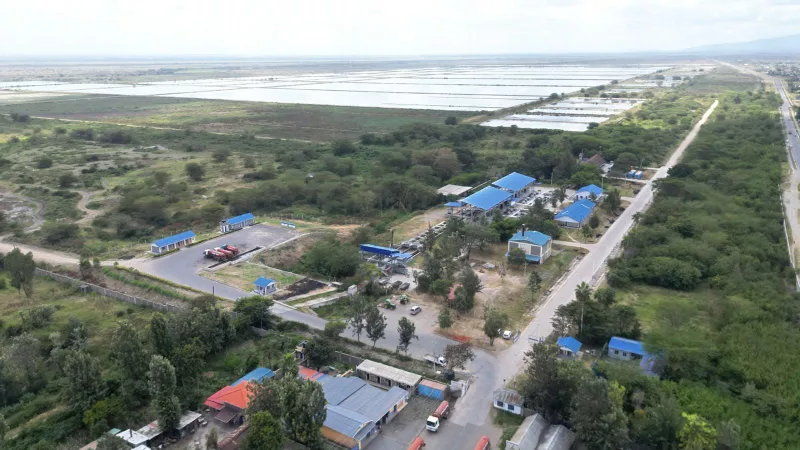
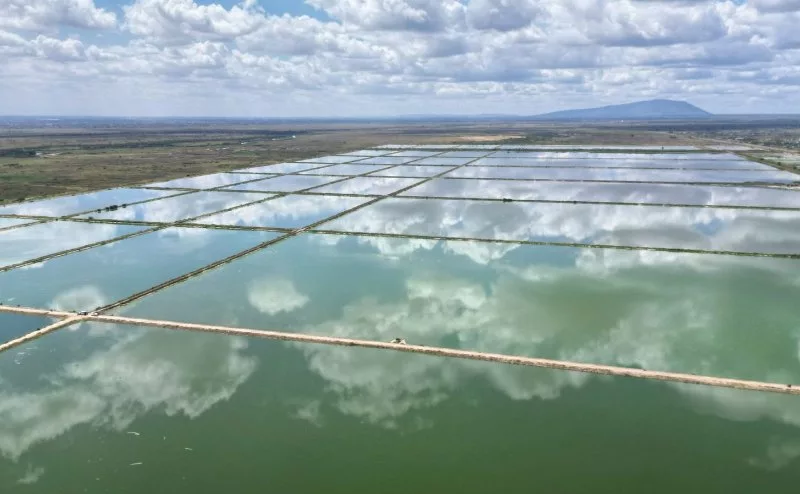
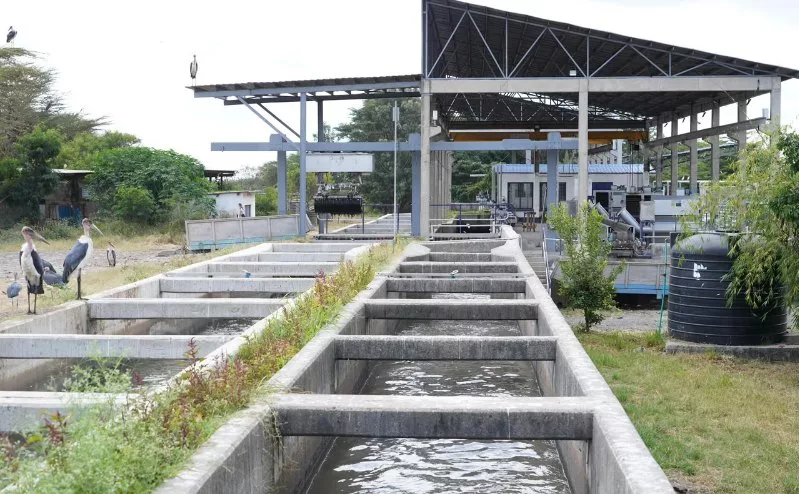
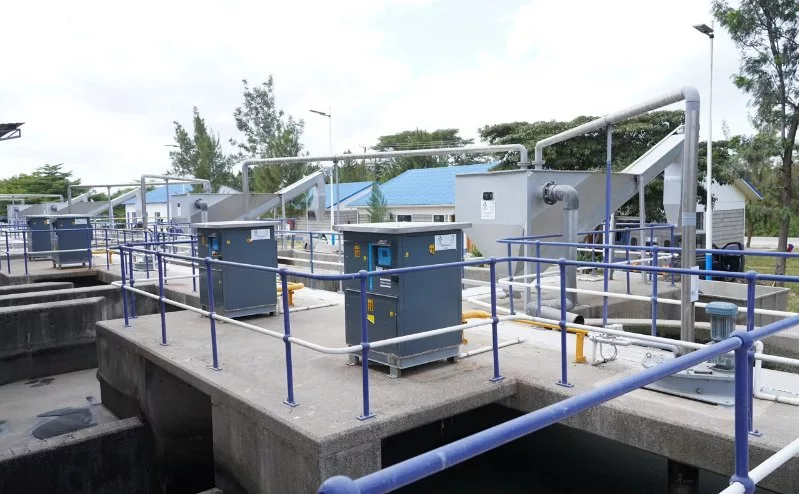
Nairobi has taken a major leap in strengthening its sanitation infrastructure after the Ruai Sewerage Treatment Plant officially doubled its treatment capacity from 160,000 cubic metres per day to 320,000 cubic metres per day.
At the same time, the County Government announced the expansion of the Kariobangi Sewer Treatment Plant from 30,000 cubic metres to 90,000 cubic metres per day.
The twin projects form part of Governor Sakaja Johnson’s ambitious drive to modernize Nairobi’s sewerage network, improve environmental conservation, and support the city’s rapidly growing population.
“This is important because we are in a growing city that now hosts more than seven million people during the day and over five million at night. It is paramount that we expand our treatment capacity, and that is exactly what we have achieved through the efforts of our teams in collaboration with the national government," he said.
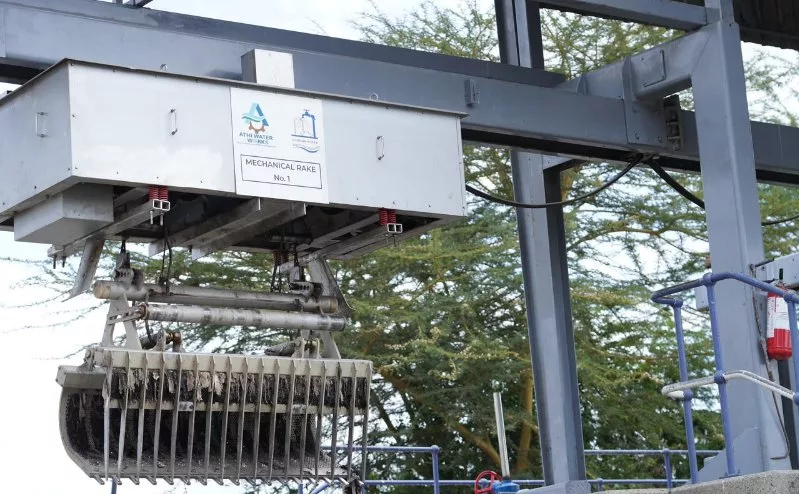
The expansion comes as Nairobi City County and the national government continue implementing one of the country’s largest sewer infrastructure projects—a 54-kilometre trunk sewer network along the Nairobi River corridor.
“The new trunk sewer line will serve Nairobi for the next 50 years. It will help clean the Nairobi River and permanently address illegal sewage discharges. Beyond environmental restoration, we are transforming the river corridor into an attractive public space with boulevards, walkways, and cycling lanes, changing the story of a capital city that for decades has been defined by a polluted river running through it,” he said.
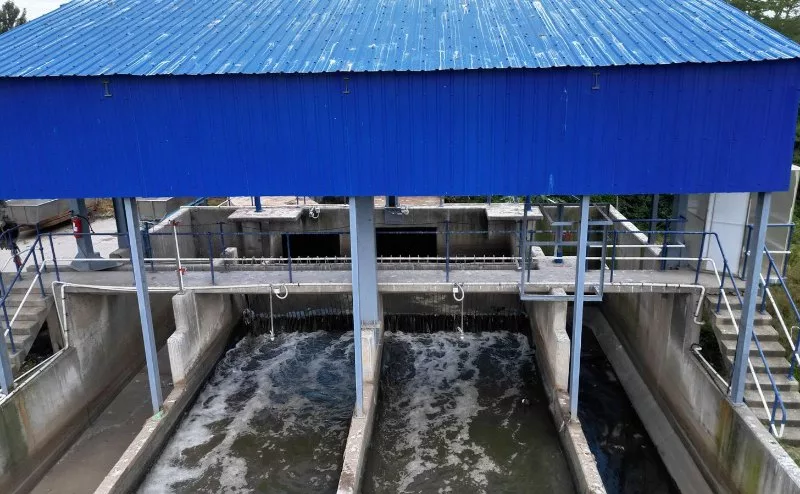
County officials say the expansion of the Kariobangi Sewer Treatment Plant will further enhance wastewater treatment capacity in the northern parts of the city, complementing the broader sewerage upgrades and ensuring Nairobi is better equipped to meet future demand.