

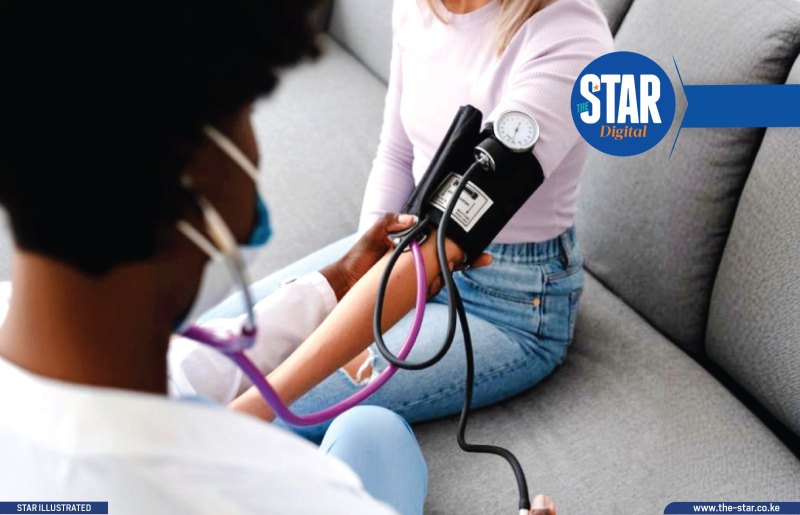
 A patient being tested for blood pressure/FILE
The World Health Organization (WHO) has outlined a series of measures people can take to prevent and control high blood pressure, urging individuals to seek early diagnosis, adhere to treatment and adopt healthier lifestyles to reduce the risk of heart disease, stroke and kidney failure.
In a public health advisory, WHO said high blood pressure often develops without noticeable symptoms, allowing it to silently damage blood vessels, strain the heart and affect other vital organs over time.
The agency said people diagnosed with hypertension should take prescribed medication consistently and attend regular medical reviews to keep the condition under control.
WHO also urged people to monitor their blood pressure regularly, noting that early detection remains one of the most effective ways of preventing serious complications associated with the condition.
The organisation further recommended maintaining an active lifestyle, saying at least 30 minutes of physical activity every day can help lower blood pressure and improve overall cardiovascular health.
Other measures include eating healthy and nutritious foods, reducing the consumption of saturated and trans fats, cutting salt intake, avoiding tobacco use and limiting alcohol consumption.
WHO also encouraged people to manage stress effectively, saying small but consistent lifestyle changes can significantly improve long-term health outcomes.
“You can control high blood pressure starting today,” the organisation said, urging people to adopt healthier habits and remain consistent in managing their health.
The advisory comes as hypertension continues to pose a major public health challenge in Kenya.
According to a WHO report released last year, nearly one in four Kenyan adults is living with high blood pressure, yet many remain unaware of their condition or are not receiving treatment.
The report showed that 24 per cent of Kenyan adults have hypertension, while only 22 per cent of those diagnosed have started treatment. Among those on medication, just three per cent have achieved blood pressure control.
The Ministry of Health has attributed the growing burden of hypertension to lifestyle changes, including unhealthy diets, physical inactivity, increased alcohol consumption and tobacco use.
WHO data further shows that among adults aged between 30 and 79 years, the age-standardised prevalence of hypertension in Kenya stands at about 29.4 per cent, with 39 per cent of those affected unaware they have the condition.
Health experts warn that uncontrolled hypertension increases the risk of cardiovascular diseases, which are the second leading cause of death in Kenya.
WHO called for stronger primary healthcare systems, wider community screening programmes and increased public awareness to support early diagnosis and effective management of the condition.
![[PHOTOS] The new Ngong –Naivasha Road viaduct](https://cdn.radioafrica.digital/image/2026/06/64d4f771-4432-4aee-ba3c-2f304c4436ec.jpg)








![[PHOTOS] 'Mr Speaker Sir' Gen Z protester in court](https://cdn.radioafrica.digital/image/2026/06/b3e62d8e-25c3-4780-90f9-4eb48b1ce8a7.jpg)