

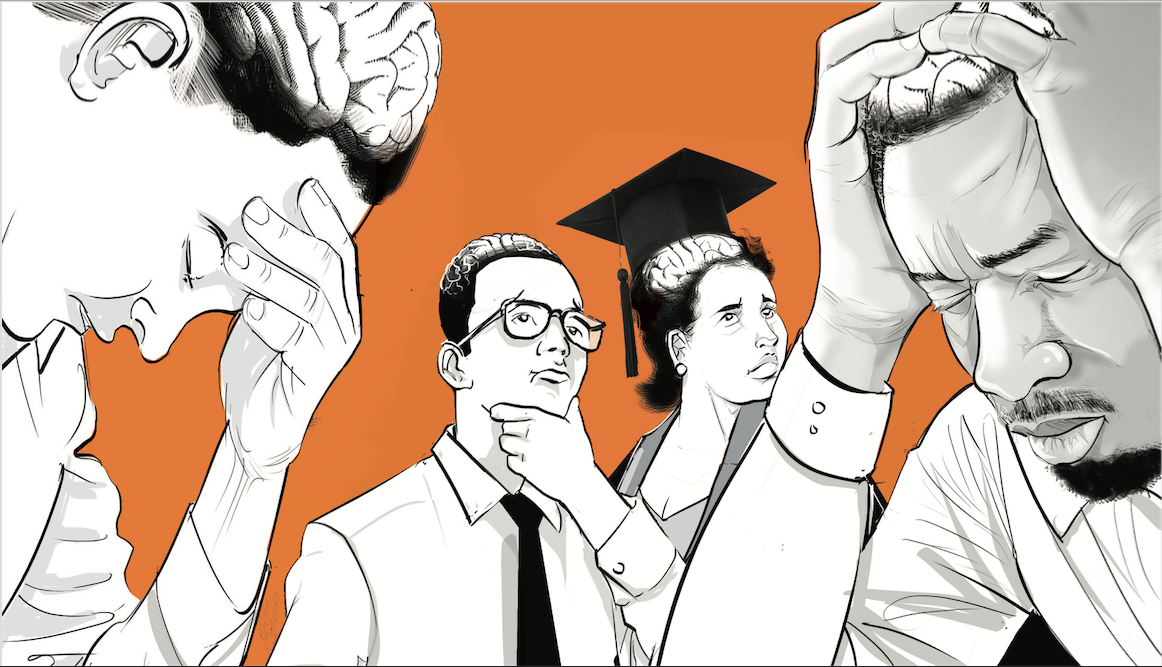
In 2018, James graduated with a degree in Business Management. His parents had sold a small piece of land to pay his university fees. They believed he would change the family’s future. Today, he spends most of his days at a small shop helping a friend sell airtime and snacks. Some days, he earns something small. Many days, he earns nothing.
His story is not unique.
Across Kenya, thousands of young people hold degrees, diplomas and certificates. They wake up every morning with hope, but with nowhere to go. Behind them are parents who gave everything they had, believing education was the sure path out of poverty.
These are the hustler parents. They are farmers, small traders, boda boda riders, and casual workers. They do not have much, but they understand sacrifice. They take loans. They join chamas. They sell land. They skip meals. All for one goal. To educate their children.
For many of them, education was not just school. It was an investment in hope.
A mother in Eldoret still remembers how she struggled to pay school fees for her daughter. She borrowed money from relatives and spent years repaying it slowly. When her daughter graduated, the whole village celebrated. Today, that same daughter stays at home, sending applications that never get replies. The mother no longer asks about jobs. She fears the answer.
There is a quiet pain in many homes. It is not loud. It is not discussed openly. But it is there.
Parents do not regret educating their children. But they struggle to understand what went wrong. How does a family spend hundreds of thousands, sometimes millions, only for the child to return home with no clear future?
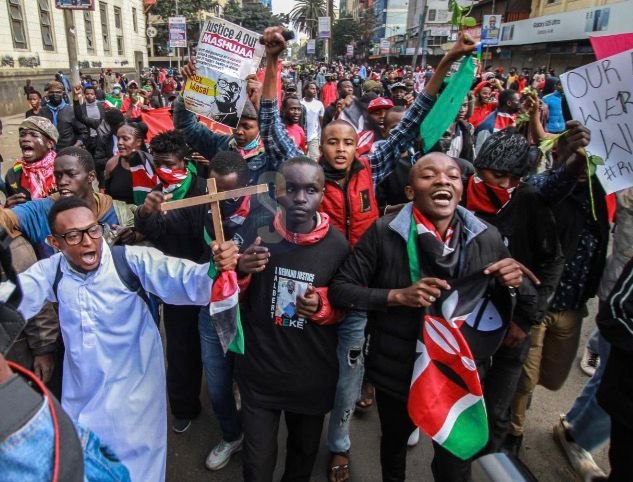
Young people feel it too. The pressure. The shame. The confusion. They were told that if they worked hard in school, life would open up. Instead, many find closed doors. Some turn to small hustles just to survive. Others depend on their parents again, even after graduation.
The promise feels broken.
In towns and villages, it is now common to see graduates doing any work they can find. Some ride boda bodas. Some sell clothes online. Some sit idle, waiting for a chance that never comes. There is nothing wrong with honest work. But the question remains. Why does education no longer guarantee opportunity?
The gap between learning and earning is growing. Skills do not always match the job market. Opportunities are few. Connections matter more than qualifications. And each year, more graduates join the same struggle.
Meanwhile, parents continue to sacrifice for younger children. They still believe education is important. But there is also fear. Will it be worth it in the end?
This is not just an economic issue. It is an emotional one. It affects dignity, relationships and mental health. It changes how families see the future.
James still keeps his degree certificate safely. It is clean and well preserved. Sometimes he looks at it and wonders what it really means now. His parents do not ask him many questions anymore. They understand, even without words.
And tomorrow morning, like many others, he will wake up, step out, and try again to find something that matches the dream his family once believed in.
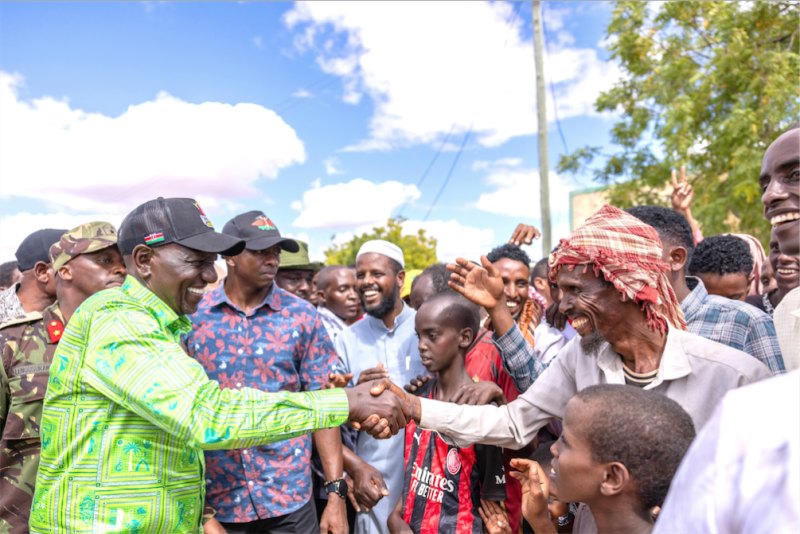
Across the country, leaders continue to speak about youth empowerment, job creation, and economic growth. Promises are made in rallies and repeated in policy documents. But for many families, these words feel distant from daily reality.
The hustler parent is still waiting. The graduate is still searching.
The real question is no longer whether young people are educated. It is whether the system they are stepping into is ready for them.
Until that question is answered with action, not words, many more certificates will remain folded away in drawers, and many more dreams will quietly fade inside Kenyan homes.
The writer is a political scientist