

 Kariuki Waihenya, a social commentator based in Nairobi./HANDOUT
The loss of life and the destruction of property, both public and private, during the anti-Finance Bill protests of 2024 and their recurrence in 2025 are regrettable and warrant a pause for national reflection.
Marking this dark day with another protest is both counterproductive and unreasonable. Any young person who has a connection to those we lost on that sad day in 2024 would want to honour their lives, not with violence and bloodshed, but with solemnity and deep reflection.
Unfortunately, the day risks shifting away from young people's grievances towards broader political interests. Politicians across the political divide have increasingly sought to associate themselves with the anniversary to advance their political agendas.
Critics argue that heightened political tensions surrounding such events can deepen divisions and create an impression of instability, with any subsequent loss of life becoming a point of political contestation for months afterwards.
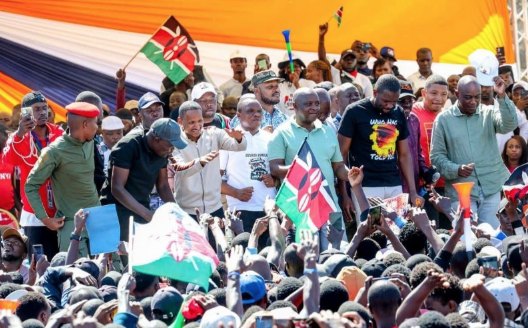
Against this backdrop, the Linda Mwananchi movement has allied itself with a section of the victims' families and announced a march through the streets of Nairobi to commemorate the day.
Other opposition figures have publicly supported demonstrations and political mobilisation in various parts of the country. Other political actors are also positioning themselves to gain visibility from the heightened public attention surrounding the anniversary.
This leads us to the next big question: What becomes of the youth with genuine political aspirations? One fact stands out: activism is not an end in itself, nor is it the only way to advance an agenda.
Many of the young people who emerged during the Gen Z protests have since returned to their careers, remained in college, or integrated themselves into organised political systems.
This development is not unique. Young people are full of idealism and energy, but it takes organisation to harness these advantages and transform them into political influence.
The youth-led movement that toppled former Bangladesh Prime Minister Sheikh Hasina in 2024 did not translate into electoral success, as voters opted for the more established Bangladesh Nationalist Party. Similar trends have been observed in Thailand and Hong Kong, among other places.
Nepal, however, managed to establish a youth-led government after a popular uprising that brought down the previous regime. The difference between success and failure in youth politics often comes down to organisation, rather than violence or alignment with the agendas of established politicians.
It remains to be seen whether Kenya's Gen Z movement will form a political party to contest the 2027 elections, but there are currently no clear indications that it will. Alternatively, young people may choose to pursue influence within established political parties.
Allowing politicians to appropriate the movement could undermine its credibility in the eyes of the public. That is why June 25 should not only be a day of remembrance but also a day for forging a common front and reimagining the future of our nation.
The writer is a commentator based in Nairobi.