

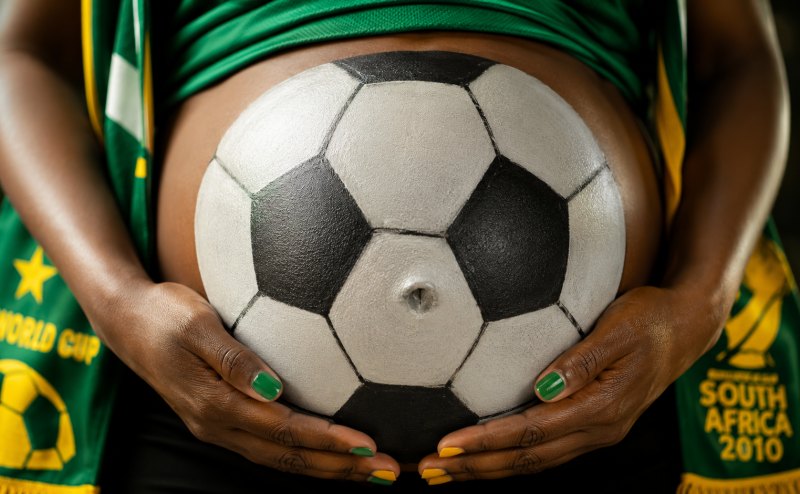
Every four years, the world braces itself for the spectacle of the Fifa World Cup. Stadiums fill, televisions glow late into the night and fans across continents live and breathe football. Yet beyond the goals and glory, researchers have long noted a curious side-effect of major sporting events: a rise in birth rates.
The idea is simple enough. When a nation hosts or wins a tournament, the surge of national pride, celebration and togetherness often spills over into more intimate settings. Nine months later, maternity wards sometimes report a noticeable uptick in births. It is not a universal rule but the pattern has been spotted often enough to make demographers smile.
Take Germany in 2006. The country hosted the World Cup and enjoyed a carnival atmosphere that lasted weeks. Reports later suggested a small but clear increase in births the following spring. In South Africa, which staged the 2010 edition, health officials also noted a bump in delivery numbers.
France’s victory in 1998 and Spain’s triumph in 2010 were likewise followed by similar anecdotes of baby booms, though statisticians caution that the effect is usually modest rather than dramatic.
The phenomenon is not confined to football. American cities have seen spikes in births after Super Bowl wins, while Olympic host nations sometimes experience the same glow. The underlying factors are cultural as much as biological. Sporting success creates a sense of unity, lowers stress and encourages celebration. Couples are more likely to go out, socialise and, in the spirit of the moment, start families.
As the next World Cup approaches, demographers are already sharpening their pencils. The tournament, set to draw billions of viewers, will once again test the theory. Will the host nation see a rise in births nine months later? Will the winning country enjoy a baby boom of its own? Or will the sheer global reach of the competition mean that maternity wards from Nairobi to New York notice a ripple effect?
Kenya, though not represented on the pitch, is never absent from the conversation. Local fans throw themselves into the World Cup with passion, often adopting a favourite team from Africa or beyond. The communal watching parties, the late-night screenings and the shared highs and lows all contribute to the atmosphere. Doctors here have occasionally joked that the World Cup season is followed by busier months in maternity wards, though hard data is scarce.
What is clear is that sport has a way of shaping social rhythms. Weddings are timed around tournaments, businesses adjust schedules and even hospitals prepare for shifts in demand. The World Cup is more than a football competition; it is a cultural event that touches daily life in unexpected ways.
Experts caution against overstating the case. Birth rates are influenced by economics, healthcare access and long-term social trends. A single tournament cannot reverse demographic decline or spark a sustained baby boom. Yet the short-term blips are real enough to be noticed, and they add a light-hearted dimension to the world’s biggest sporting event.
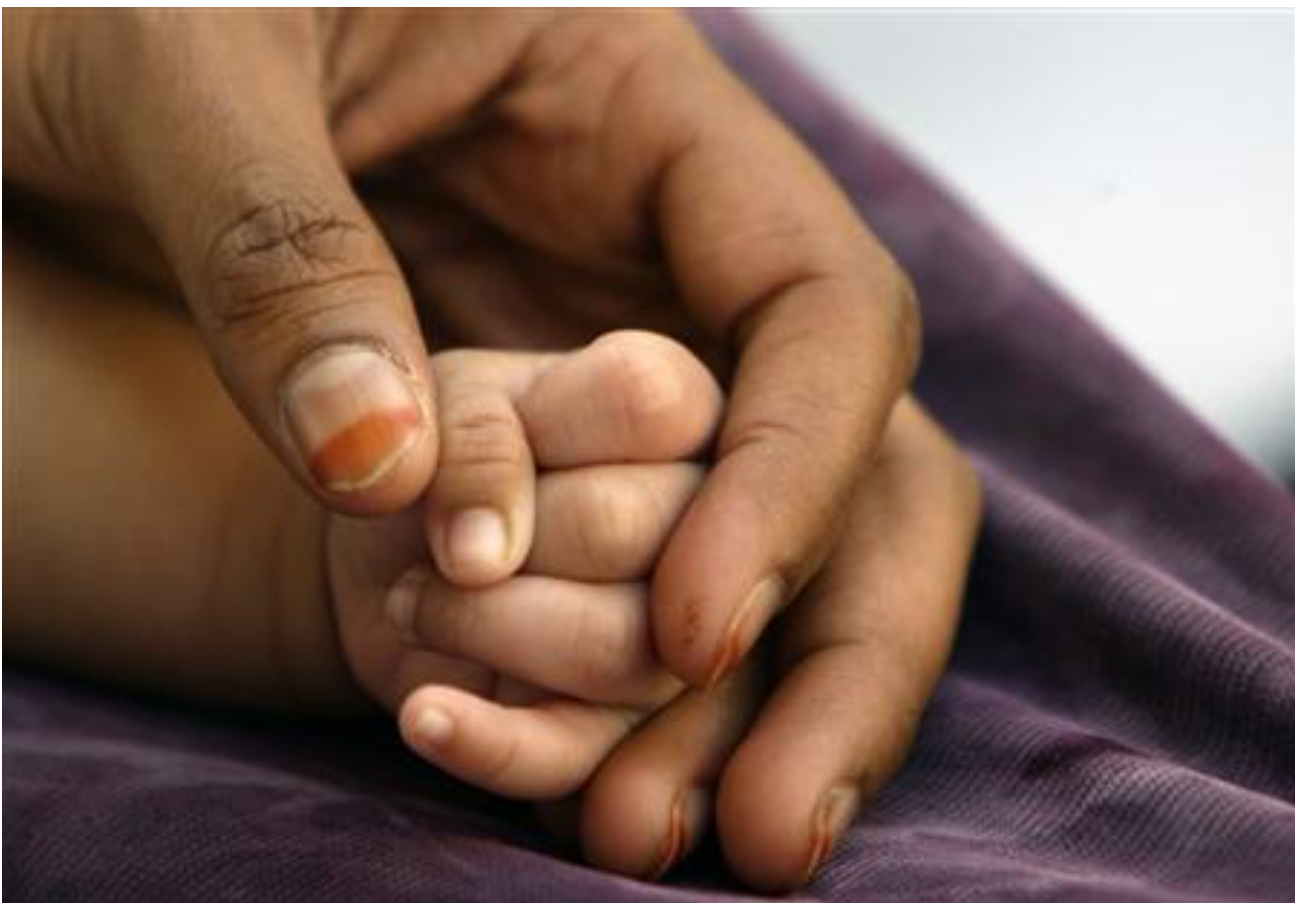
As fans count down the days to kick-off, perhaps it is worth remembering that the legacy of the World Cup is not only measured in goals scored or trophies lifted. It may also be found in the cries of newborns months later, tiny reminders of nights when football brought people together. Whether in Berlin, Johannesburg or Nairobi, the beautiful game leaves its mark in ways that go far beyond the pitch.