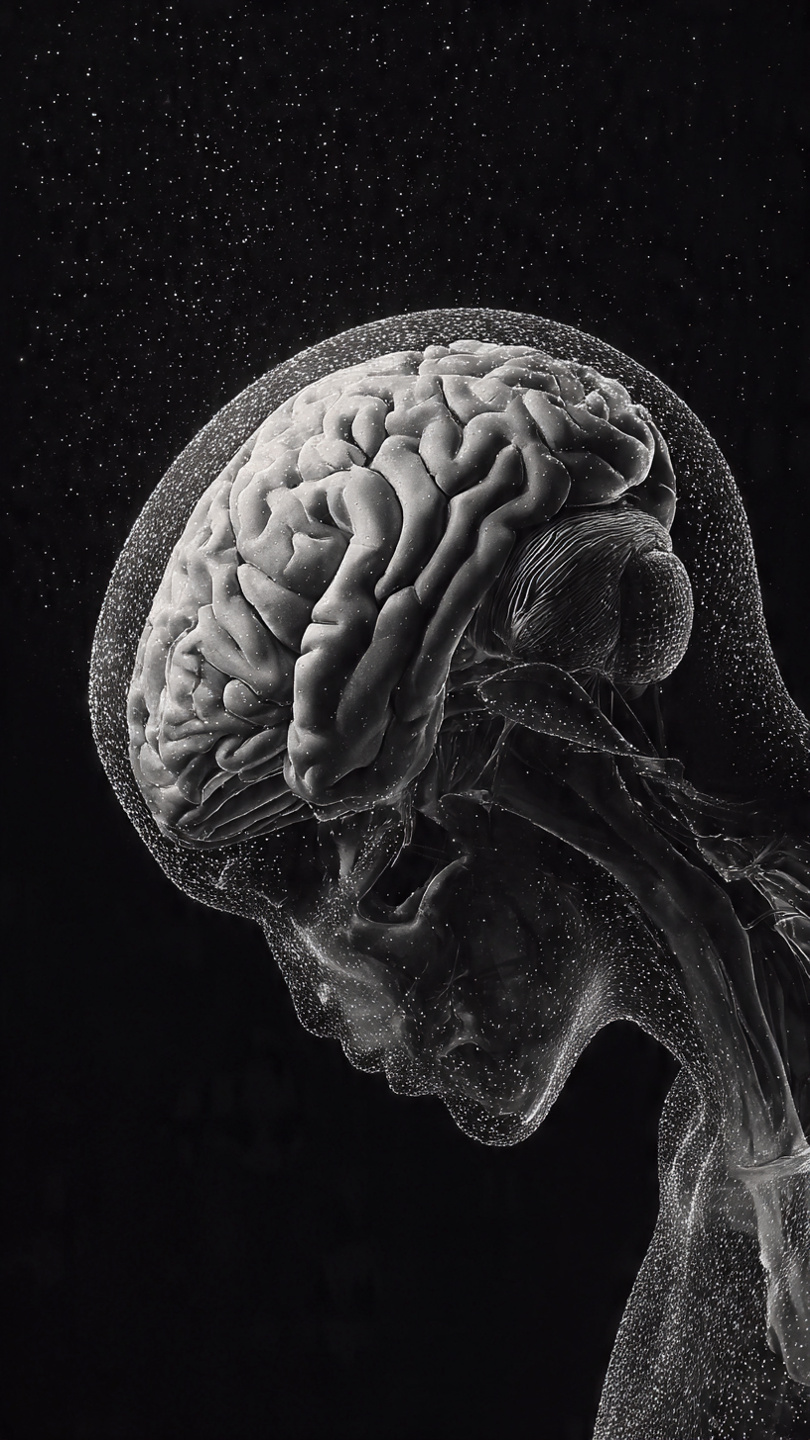
The study showed people who faced hunger as children
or lived in poor households were more likely to have memory and thinking
problems later in life than people living with cancer.
Some cancer treatments, especially chemotherapy, can sometimes affect memory, attention and thinking.
Researchers said the findings challenge the common belief
that diseases such as cancer are the biggest threats to brain health in old
age.
The three-year study, called Brain Resilience Kenya,
followed more than 404 adults aged 35 years and above from different
backgrounds across Kenya.
Scientists wanted to understand why some people keep
sharp minds as they grow older, while others struggle with memory, learning and
decision-making.
The researchers looked at many parts of a person's life.
They studied brain scans, blood samples, memory tests, sleep patterns and
physical activity.
They also asked people about their childhood, education,
health, family support and living conditions.
The findings showed a person's brain health starts
being shaped very early in life.
Children who experienced hunger or severe poverty were
more likely to have poorer brain health decades later.
On the other hand,
people who grew up feeling safe, stayed in school longer and had strong social
support were more likely to keep healthy brains as they aged.
The study found that childhood hunger and poverty were
among the strongest predictors of how well a person's brain would perform later
in life.
Researchers also found something surprising about cancer.
There was no evidence that people with breast or prostate
cancer performed worse in memory and thinking tests than people without cancer.
Instead, poverty and life experiences had a much stronger effect on brain
health.
The study also looked at people caring for relatives with
cancer.
These caregivers often showed signs of higher stress levels and poorer
health than the patients themselves.
Speaking during the release of the findings in Nairobi,
Prof Zul Merali, founding director of the Brain and Mind Institute at Aga Khan
University, said the study should change how society thinks about resilience.
"This study reminds us that resilience is not
something we are simply born with. It can be nurtured by families, strengthened
by communities, supported by health systems and encouraged through public
policy," Merali said.
"Understanding the factors that help people adapt, recover and thrive
despite life's challenges creates healthier communities and better
opportunities for healthy brain ageing."
The findings were shared during a community workshop and
health fair supported by Dartmouth University.
The meeting brought together study participants,
community health promoters and residents to discuss ways of protecting
brain health throughout life.
The researchers said good brain health depends on much
more than medical treatment.
Heart health, education, friendships, proper nutrition
and safe communities all play important roles in keeping the brain healthy.
Higher blood sugar levels were linked to a greater chance
of memory and thinking problems, while people with higher levels of good
cholesterol had healthier brains.
Regular exercise and controlling blood
pressure and diabetes were also linked to better brain health.
Prof Mansoor Saleh, one of the study leads, said
doctors must look beyond disease when caring for patients.
"These findings remind us that brain health is
influenced by more than disease alone. We found that people diagnosed with
cancer had more brain resilience compared to their caregivers, showing the
great impact support has in advancing resilience," Saleh said.
"Alongside treating cancer, we
must support patients' overall wellbeing by promoting heart health, mental
wellbeing and strong social support to help improve quality of life and healthy
ageing."
The researchers also discovered that sleep and physical
activity matter.
Participants in the study took more than 431 million
steps during the research period and slept for an average of almost seven hours
each night. More movement was linked to better health and wellbeing.
Education also emerged as one of the strongest
protections for the brain.
People with higher levels of education were more likely
to remain mentally sharp as they aged. Researchers believe education helps the
brain build what scientists call "cognitive reserve", which allows it
to cope better with stress and disease later in life.
Dr Karen Blackmon, a consultant neuropsychologist and
co-principal investigator of the study, said the findings show biology
alone does not determine a person's future.
"Advanced brain imaging and cognitive assessments
gave us valuable insights into how the brain responds to life's challenges and
what supports healthy brain ageing and resilience"
"Combined with participants'
lived experiences, these findings show that resilience is shaped by both
biology and environment, providing important evidence to guide future
interventions that promote cognitive health."
The researchers hope the findings will help shape future
health programmes and policies in Kenya and across Africa.

 Human brain / AI













![[PHOTOS] Ruto hosts Bungoma delegation at State House](https://cdn.radioafrica.digital/image/2026/07/38c18064-4bd7-4a52-9171-4dcce631a74b.webp)