
G-SPOT: The gigolos and spies in my Malindi imagination
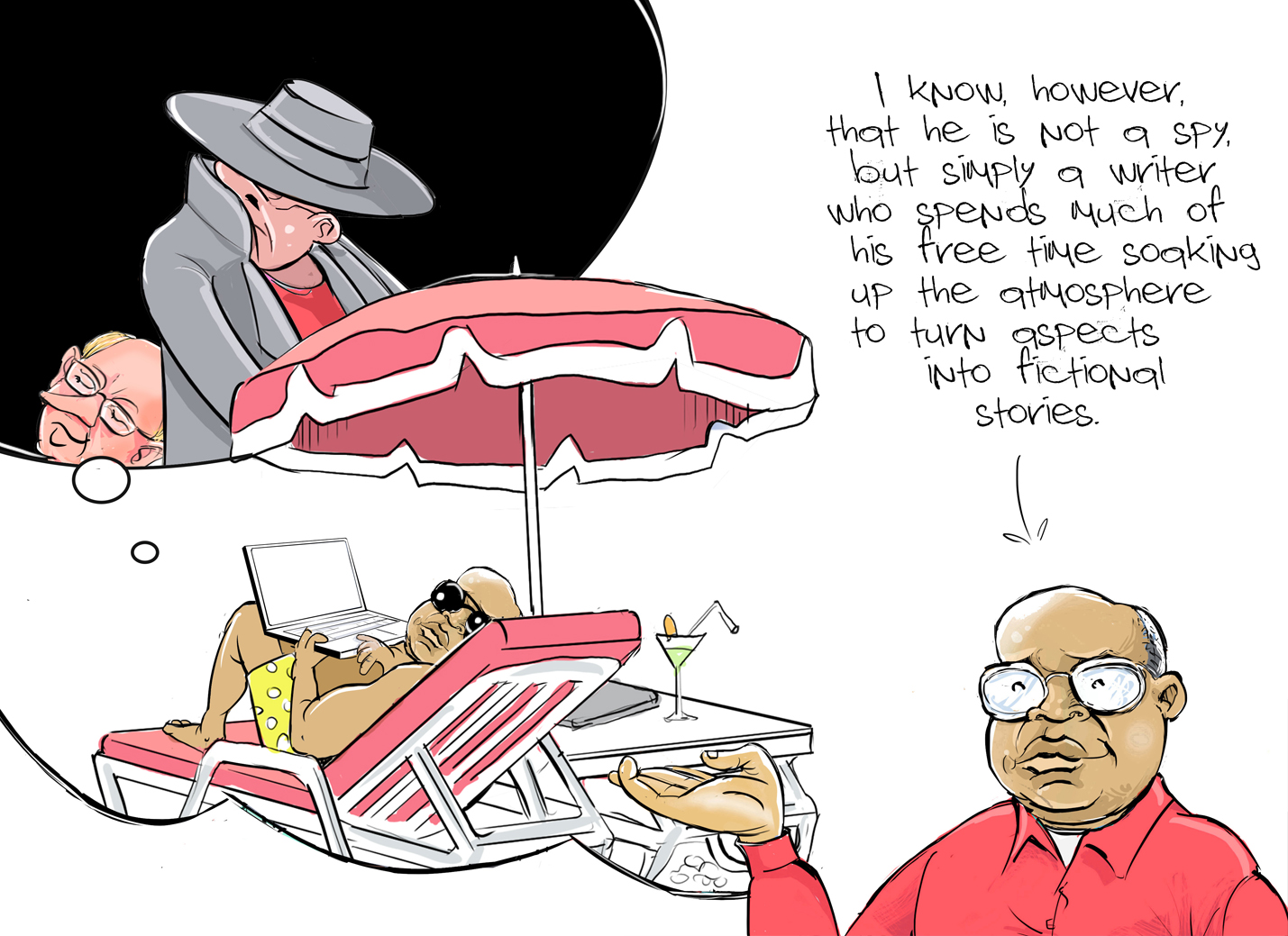
People watching yields series of make-believe plotlines
5mon agoMwangi GithahuLifestyle
Tables have turned on moral police thanks to activists and courts


Audio By Vocalize
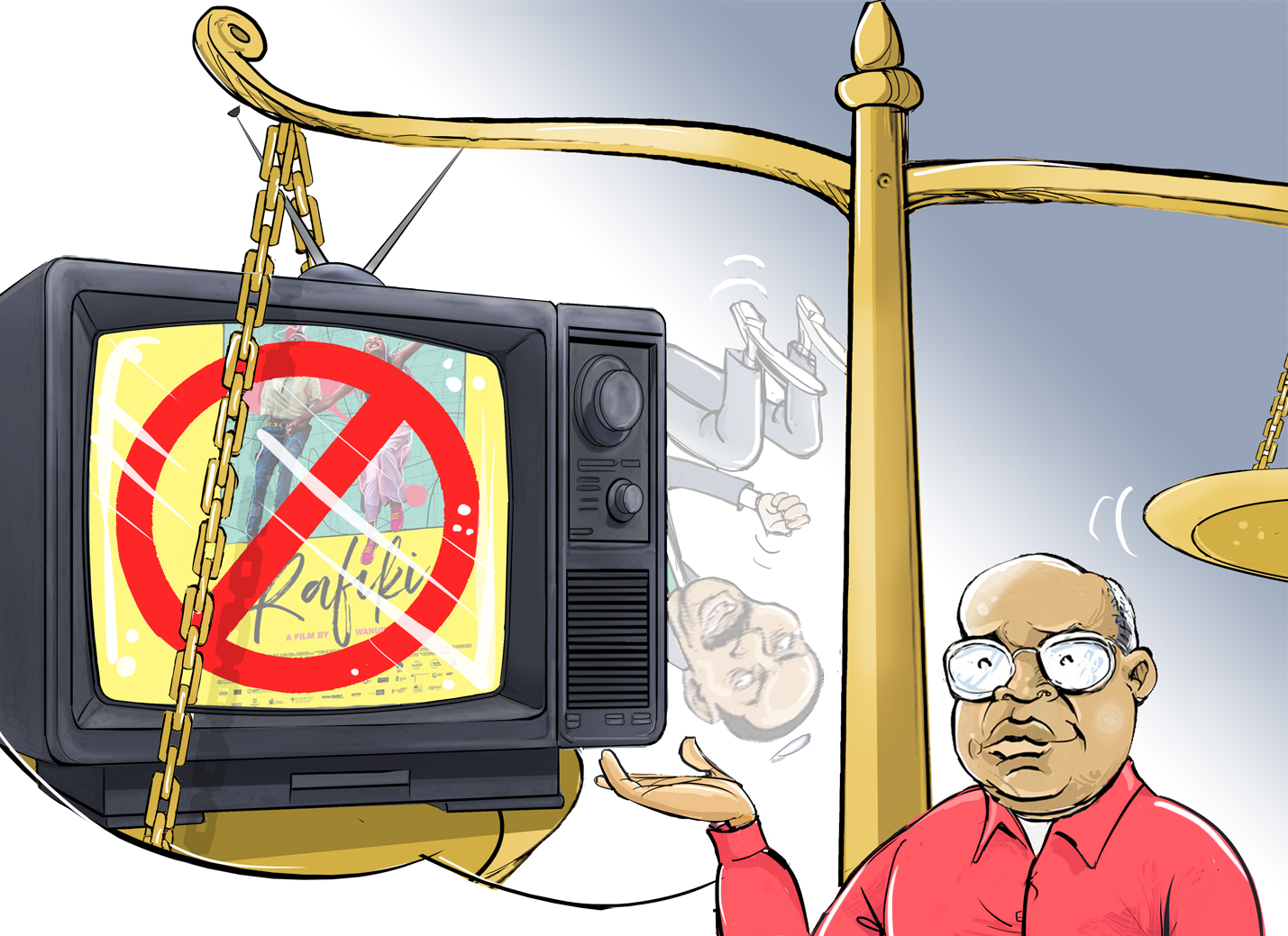
I am deriving an almost indecent amount of pleasure from the fact that, as the star of the man we once reverently called Deputy Jesus continues its descent, the fortunes of Rafiki, a film he devoted considerable time to opposing, are being very publicly restored.
Ordinarily, I could not summon even a flicker of interest in the former Deputy Jesus, or, as feels more accurate these days, simply DJ. However, thanks to his loud, joyless and sanctimonious opposition to homosexuality while serving as CEO of the Kenya Film Classification Board, coupled with my own unapologetic small-mindedness in such matters, he elevated himself to the rank of my implacable nemesis.
On this score, I should confess that I am so gloriously petty that you are free to refer to me as Petty bin Petty or even Petty Mwenye Chuki. I will own it.
The Germans, ever efficient, have a word for the pleasure, joy and deep personal satisfaction I have harvested from observing DJ’s troubles, failures and public embarrassments: schadenfreude.
A neat little compound of Schaden (damage) and Freude (joy), it describes a perfectly normal human response, often accompanied by the reassuring sense that justice, however slow, has not entirely taken the day off.
This, of course, is unless one subscribes strictly to the Bible, which in Proverbs 24:17-18 sternly cautions against such indulgence: “Do not gloat when your enemy falls; when they stumble, do not let your heart rejoice, or the Lord will see and disapprove and turn his wrath away from them.”
Some people take this to heart. Others do not. Frankly, one wonders what the point of carefully cultivating enemies is if one is then expected to love, forgive and bake them metaphorical cakes when they slip on a banana peel.
Returning to the matter at hand, Rafiki tells the story of a friendship and tender love that blossoms between two young women, Kena and Ziki, against the backdrop of family expectations and political pressure. Its honest portrayal of a lesbian relationship was inspired by Jambula Tree, the 2007 Caine Prize-winning short story from Uganda.
In April 2018, the film was banned by the KFCB for the stated reason of “promoting homosexuality” in Kenya, where gay sex remains illegal. As my friends at the Gay and Lesbian Coalition of Kenya (Galck) asked at the time, with inconvenient clarity: the film was labelled “un-African”, but what could be more Kenyan than love, longing and the audacity to choose freedom?
DJ, never one to miss an opportunity for moral pronouncement, declared that the public exhibition and distribution of the film could not be allowed because it allegedly promoted lesbianism, which he said was incompatible with Kenya’s moral values. When the courts briefly lifted the ban in 2018 to allow the film to qualify for Oscar consideration, many within Kenya’s LGBTQ+ community understandably celebrated.
DJ, meanwhile, was deeply displeased. He warned that the film had “a clear intent to promote lesbianism in Kenya” and said it would be “a tragedy and a shame” for homosexual films to define Kenyan culture. Allowing it to be screened, he argued, was a “sad moment and a great insult” to Kenyans.
Fast-forward and DJ is no longer in charge of classifying films. He later took up the position of CEO of the Music Copyright Society of Kenya, but the past few months have been far from smooth. After his termination from that role on April 3 last year, he has sought legal redress in an effort to retain his position, only for two judges to rule against his reinstatement.
Meanwhile, eight years after Rafiki was banned for “promoting” homosexuality — a decision challenged by the National Gay and Lesbian Human Rights Commission and the film’s director, Wanuri Kahiu, as an attack on artistic freedom — the Court of Appeal has ruled that the KFCB erred.
The court found that while the film contained mature themes, these did not justify an outright ban, and it upheld the principle of artistic expression.
Perhaps it is karma. Maybe it is justice taking its time and savouring the moment. Whatever it is, I am enjoying it far more than I probably should.
People watching yields series of make-believe plotlines
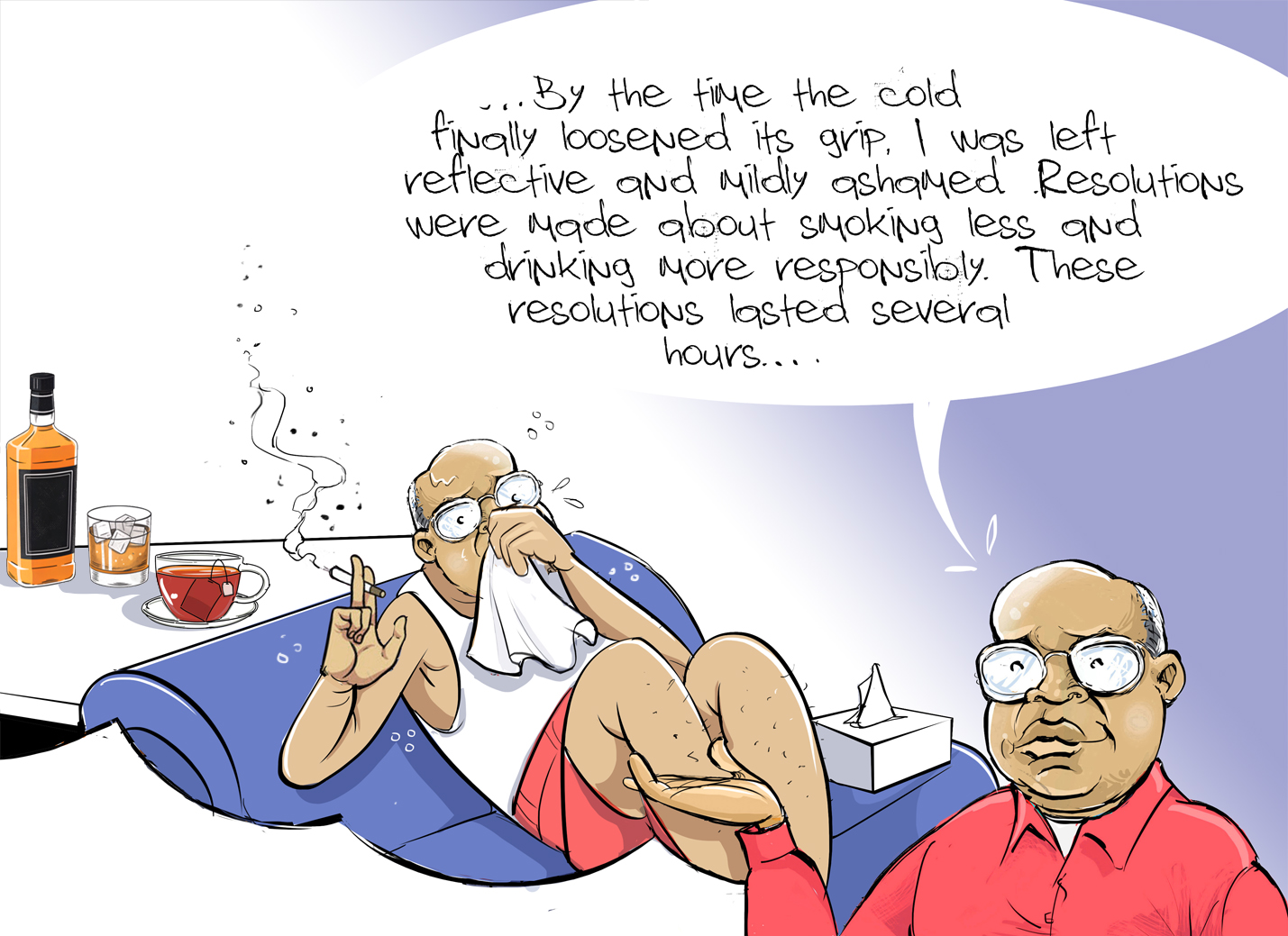
Quitting drinking and smoking is easier said than done